Gran Canaria in July: What the Heat Is Really Like
Gran Canaria in July brings 27°C highs, 19°C nights and a 22°C sea with almost no rain. Plan your base, your beach hours and your late dinners.
On this page
July is one of Gran Canaria's hottest and driest months, with an average high of 27°C, nights around 19°C and a sea temperature of about 22°C. Rain is rare to non-existent, daylight runs to roughly 14 hours and the sun sets near 9pm, which pushes dinners outdoors and late.
The practical decision is where you sleep. The south coast resorts stay dry and sheltered behind the island's mountains, while the higher ground is cooler and catches more rain, so a beach-led trip and a walking-led trip want different bases.
What July Feels Like: 27°C Days, 19°C Nights, 22°C Sea
Expect an average high of 27°C and a night-time average of 19°C, which is warm enough for shorts and t-shirts well after dark. The sea sits at 22°C, so swimming is comfortable rather than bracing, and humidity is moderate rather than oppressive.
Rainfall figures for the month are negligible, with Thomas Cook putting it at around 3 mm and TUI at about 1 mm, so a rain jacket is dead weight in a beach bag. Pack for sun instead: a hat, high-factor sun cream and a refillable bottle matter more than layers.
Despite sitting level with the Sahara, the island is usually kept comfortable by breezes and the Canary Current. Occasionally hot winds arrive from the desert and push temperatures higher, which is the day to abandon the midday beach and move indoors or into shade.
Why the South Stays Dry and the Mountains Are Cooler
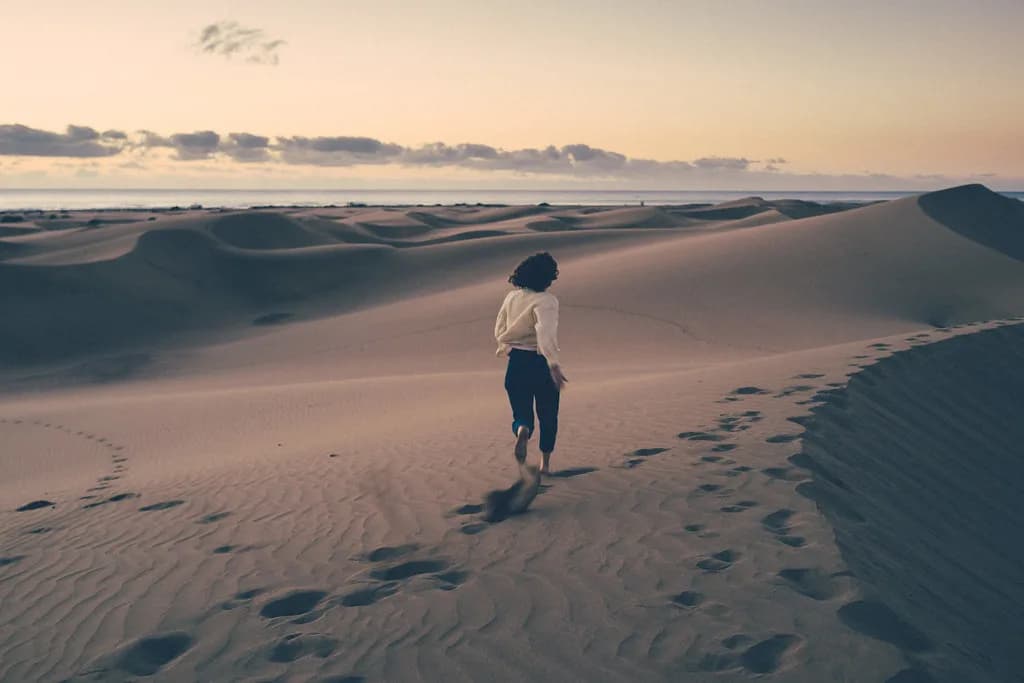
Gran Canaria's tall mountains shelter the south from the north-easterly winds, which is why Maspalomas, Playa del Inglés and Puerto Rico are the reliable sun-bathing choice in July. The same mountains wring moisture out of the air, so the higher ground is noticeably cooler and wetter than the coast. The contrast is much the same along the Canary Islands, as our guide to Fuerteventura in July shows for the neighbouring island.
That split shapes your packing. A south-coast hotel needs swimwear and evening linen; a stay in the interior or at altitude needs a light layer for evenings and a waterproof, and a day trip up from the beach can feel like a different season.
If your July trip is mainly about walking and villages rather than sand, build the plan around mornings up high and afternoons back down. Our guide to things to do in gran canaria covers how the island's highlights spread across coast and interior so you can match them to the weather.
Sun and Heat Practicalities: High UV and a 9pm Sunset
UV levels in July are extremely high, and the sun does not set until around 9pm, so the exposure window is long. Treat the two or three hours either side of midday as indoor, shaded or swimming-pool time, and save sightseeing and long lunches for later.
Spanish meal times work in your favour here. Lunch runs roughly 1:30–4pm and dinner starts from 8:30–9pm, which means the evening meal lands as the heat drops and the light softens. A shaded terrace at 9pm is far more pleasant than a beach at 1pm.
Sunshine hours are usually around nine or ten a day, so there is no need to chase every bright hour. Build in a siesta-style break after lunch, then head out again for a late swim, a promenade walk and dinner.
Where to Base Yourself in July: South Coast vs the North
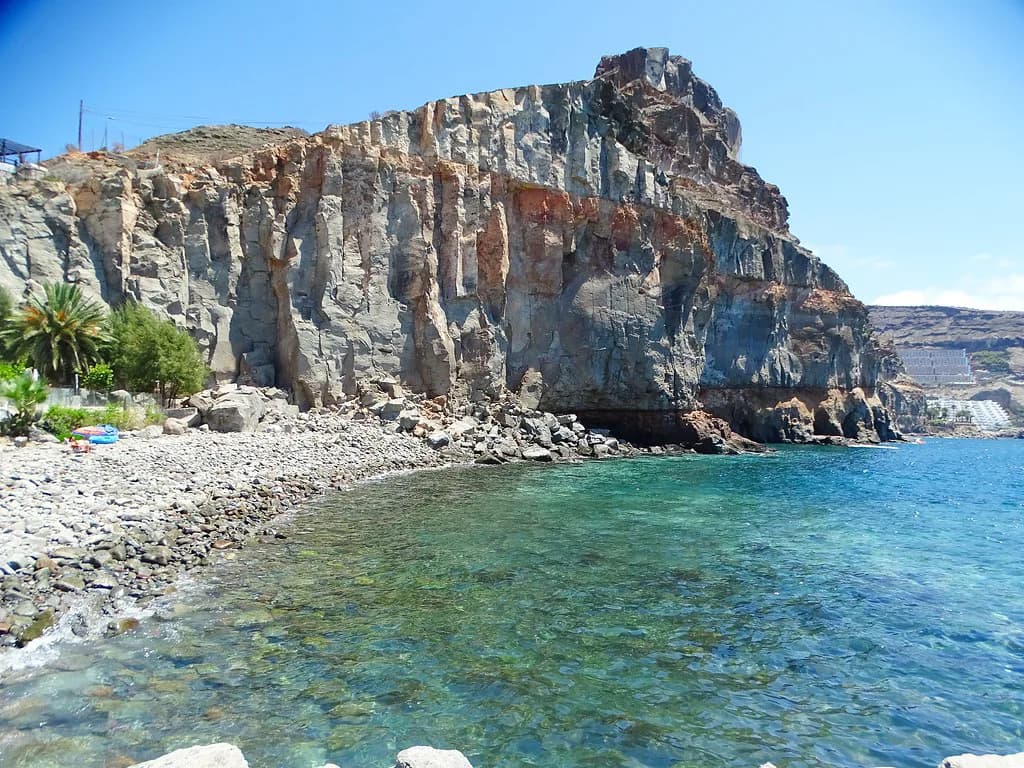
For guaranteed dry heat, choose the southern resorts: Maspalomas, Playa del Inglés, Puerto Rico, Puerto de Mogán, Meloneras and San Agustín all sit in the sheltered zone. These are the safest picks for a beach-led family or couples' week where sun is the point.
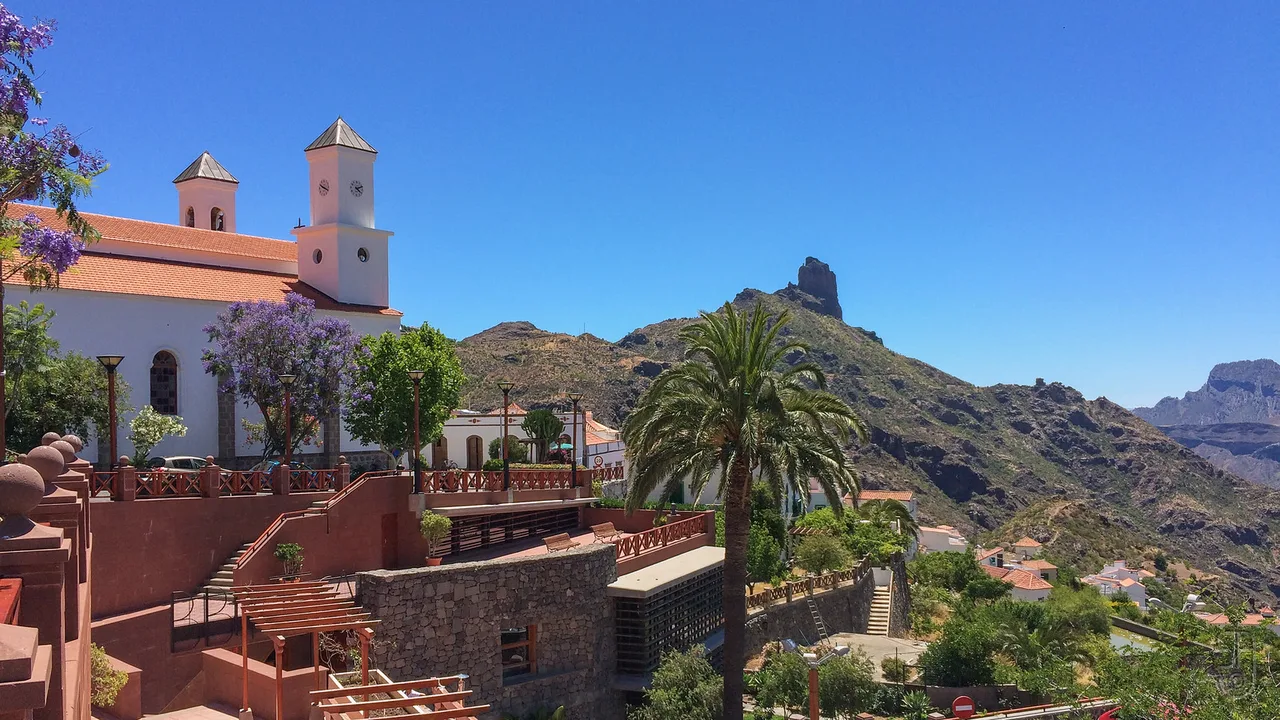
Agaete, on the north-west coast, offers a different, greener version of the island and a town to wander rather than a strip of resorts. Expect more cloud and cooler air on that side; it suits travellers who want scenery and local life over guaranteed sunbathing.
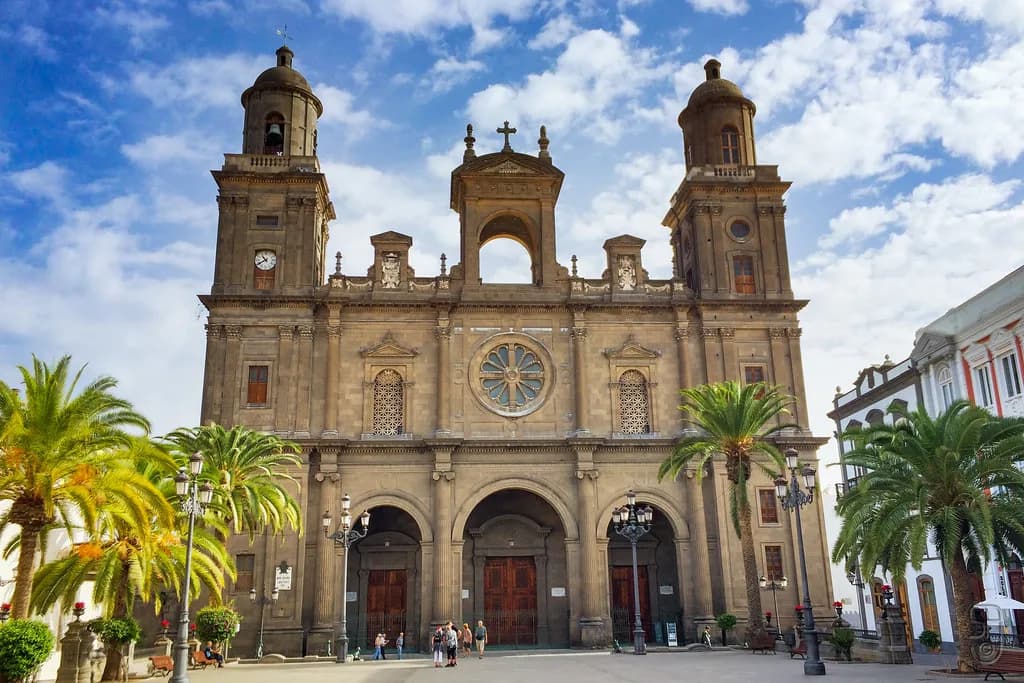
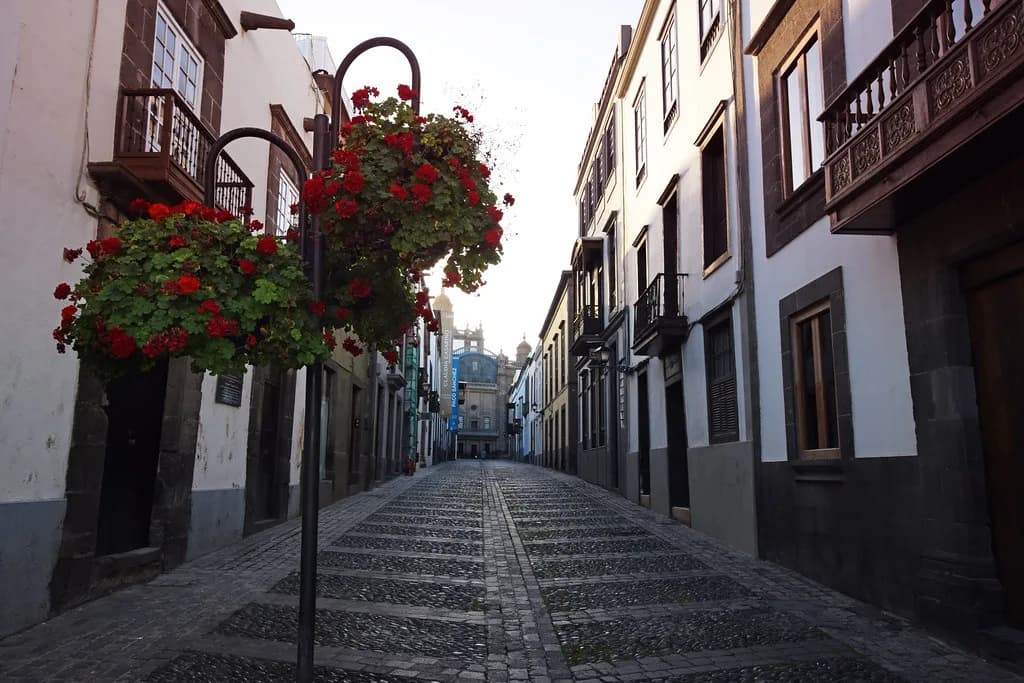
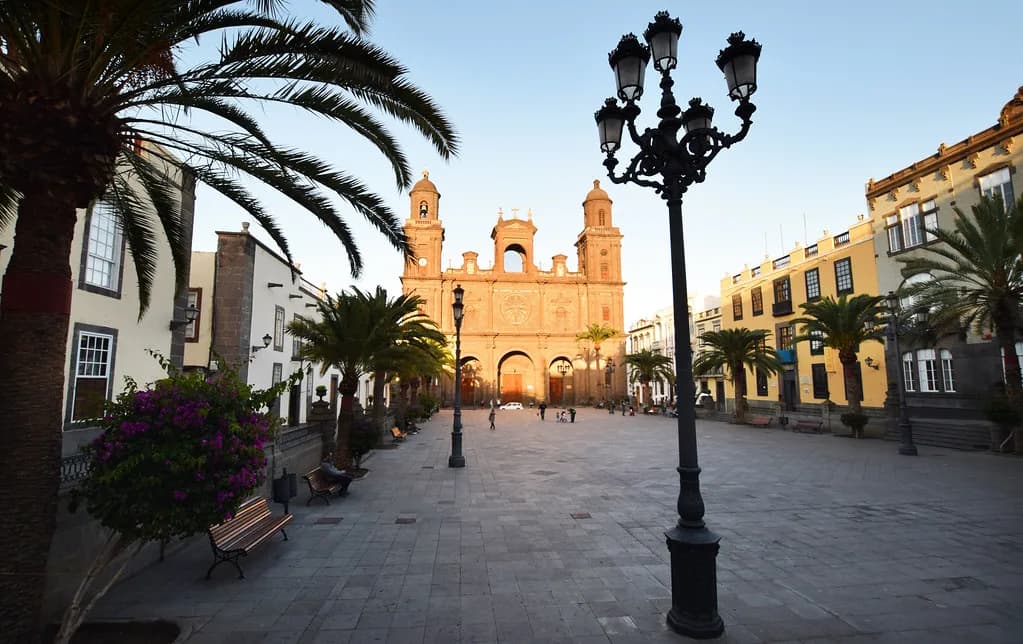
If you want city life mixed with beach days, Las Palmas de Gran Canaria gives you a working Spanish city, a city beach and a food scene worth planning around. Compare its streets and markets with the resort strips before you commit to a base.
Beach Days and How to Structure Them Around the Midday Sun
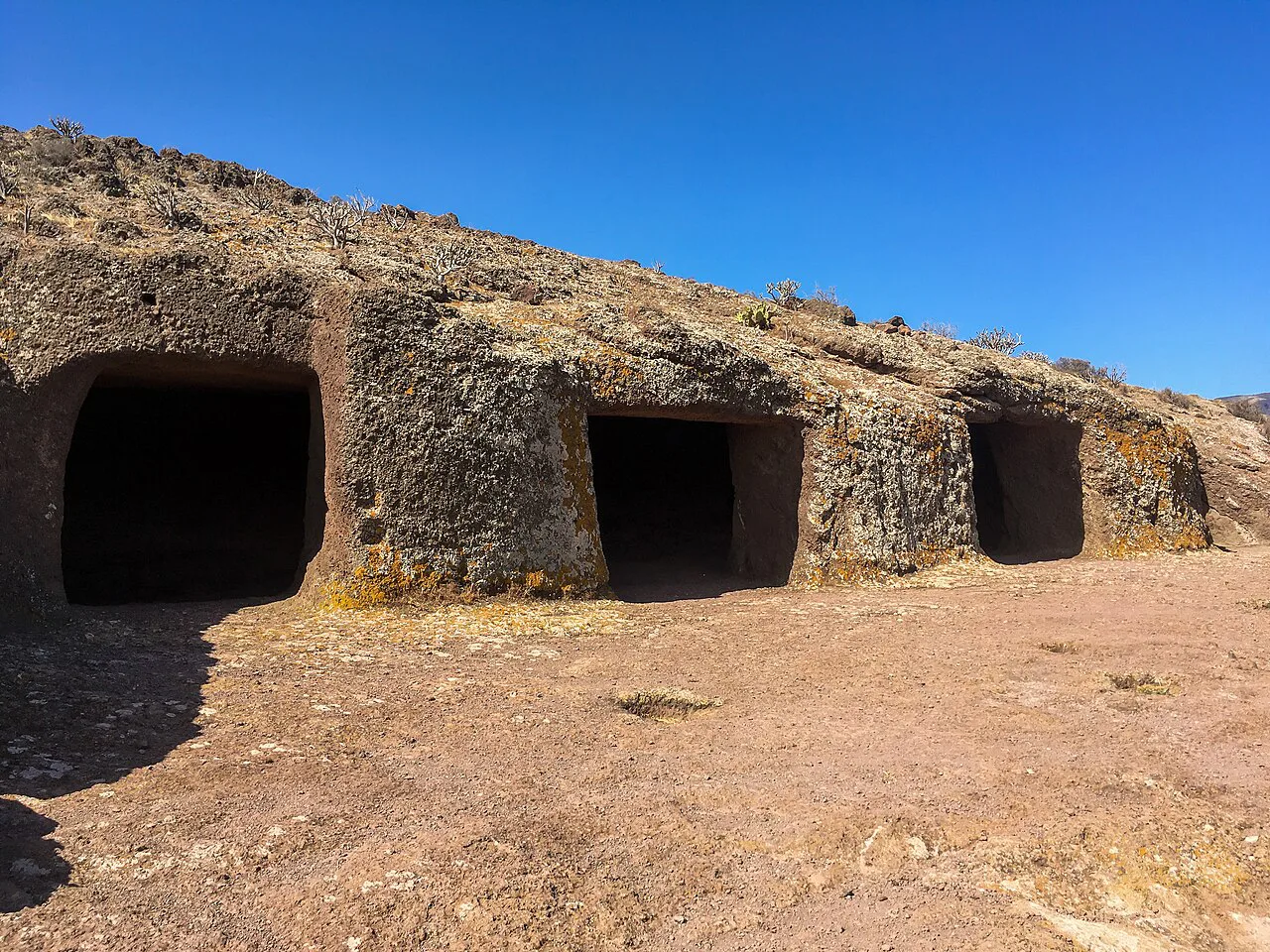
Start early. Morning at the beach or in the water before 11am gives you the best light, the emptiest sand and the mildest heat, then you retreat for lunch and shade during the strongest UV.
Late afternoon is for swimming again, followed by a slow walk along the promenade before dinner. With the sun setting around 9pm, you get a full second block of usable daylight after the peak heat has gone.
Keep the beach bag simple: water, shade, a hat and high-factor cream. Extreme UV means reapplication matters more than the brand, and a parasol or beach tent earns its place in July.
Evening Rhythm: Late Dinners Once the Heat Drops
July evenings are the best part of the day. At 19°C overnight you can eat outside comfortably, and the 9pm sunset means dinner on a terrace starts in golden light rather than darkness.
Adopt the Spanish rhythm rather than fighting it. A light snack late afternoon, dinner from 8:30–9pm and a nightcap afterwards fits both the heat and the local timetable, and venues are set up for it.
Reserve where you care about eating. Peak July is high season in the resorts, and the terraces that catch the evening breeze fill fastest, so book the tables that matter and keep the rest flexible.
Who July Suits and Who Should Pick Another Month
July suits beach lovers, families tied to school holidays, and anyone who wants dependable sun with minimal rain risk. It also suits late risers, since the island's timetable naturally runs late in summer.
It is harder work for walkers who want cool, cloud-free mountain days, for travellers sensitive to strong sun, and for anyone hoping for quiet beaches. If you want the island with softer heat and more elbow room, look at gran canaria in august to see how the season develops, or plan a shoulder-season trip instead.
If your priority is a long trip covering coast, mountains and the capital, work out the shape of the itinerary first. Our guide on how many days in gran canaria explains what fits into three, five or seven days, which helps you decide whether July heat limits your plan.
Booking and Peak-Season Expectations
July is high season, so book accommodation and any car hire well ahead, especially in Maspalomas, Playa del Inglés and Puerto Rico. Package prices on operator sites change constantly with dates and departure airports, so compare on your own travel dates rather than trusting a headline figure.
Expect resort beaches and promenades to be busy and restaurant terraces to fill after 8:30pm. Booking the places you care about and eating earlier or later than the crowd is the simplest way to avoid waiting.
Flights from the UK run under four and a half hours, which makes July a realistic week-long escape even with school-holiday pricing. Compare a package against separate flight and hotel booking, since July rates punish late decisions.
Plan Your July Trip
Gran Canaria in July delivers reliable heat: 27°C days, 19°C nights, a 22°C sea and almost no rain on the sheltered south coast. Choose your base by what you want from the holiday, then let the late sunset and Spanish meal times set the pace.
Check the live forecast and any heat warnings for your dates before you travel, and reconfirm restaurant and excursion bookings closer to arrival.
Explore more Gran Canaria guides
Frequently Asked Questions
How hot is Gran Canaria in July?
The average July high is 27°C, with nights averaging around 19°C, so it stays warm enough for short sleeves after dark. Daytime heat is usually tempered by breezes and the Canary Current, though hot desert winds can arrive and push temperatures higher. The island's mountains are cooler than the coast, so where you stay affects how hot the week feels.
Is the sea warm enough to swim in Gran Canaria in July?
Yes. The sea temperature in July sits around 22°C, which is comfortable for swimming and long enough in the water for a proper beach session. Combine a morning swim with a second dip in the late afternoon, because UV levels are extremely high around midday.
Does it rain in Gran Canaria in July?
Rain in July is minimal to non-existent, with the south coast particularly dry because the island's mountains shelter it from the north-easterly winds. The higher ground is cooler and catches more moisture, so a day in the mountains can feel different from a day on the beach. A light waterproof is only worth packing if you plan time at altitude.
Which part of Gran Canaria is hottest in July?
The southern resorts, including Maspalomas, Playa del Inglés and Puerto Rico, sit in the driest and most sheltered zone and are the most reliable for beach weather. The north-west around Agaete sees more cloud and cooler air, while the mountains are cooler and wetter still. Choose your base according to whether you want guaranteed sun or greener scenery.
What time does it get dark in Gran Canaria in July?
The sun sets around 9pm in July, giving you a long evening and a second block of usable daylight after the peak heat. That late sunset suits Spanish dining times, with dinner usually starting between 8:30pm and 9pm and terraces busy well into the night.
Should I book ahead for a July trip?
July is peak season, so book accommodation and car hire early and reserve the restaurants whose terraces you want. Package and hotel rates move with dates and departure airports, so compare prices for your own travel dates rather than relying on an advertised headline. Check the live forecast and any heat warnings before you fly.
Sources
Notes for eating well in Spain
Optional updates to our guides.
You might also like
Continue reading
More guides you'll find useful