Fuerteventura in August: Weather, Crowds and What to Expect
Fuerteventura in August brings peak-season crowds and average highs around 28°C. Here is what the heat feels like and how to time beach days and meals.
On this page
August on Fuerteventura means peak season: the island's hottest, driest stretch of summer and its busiest fortnight for visitors. Average highs sit around 28°C, the beaches fill by mid-morning and prices peak with them, so the days that work best are built around early starts and long shaded lunches rather than a stubborn bid to stay on the sand from ten till six.
The saving grace is the wind, which keeps the coast walkable when the sun is at its most punishing. Treat it as part of the plan: it dictates where you swim, when you eat and how much you can realistically fit into an afternoon.
What August feels like in Fuerteventura
August brings average highs of about 28°C, days that are dry more often than not, and a steady breeze off the Atlantic that takes the edge off the heat on the coast. It is a classic summer month rather than a subtropical scorcher, but the sun is strong enough that shade and water become part of the daily routine.
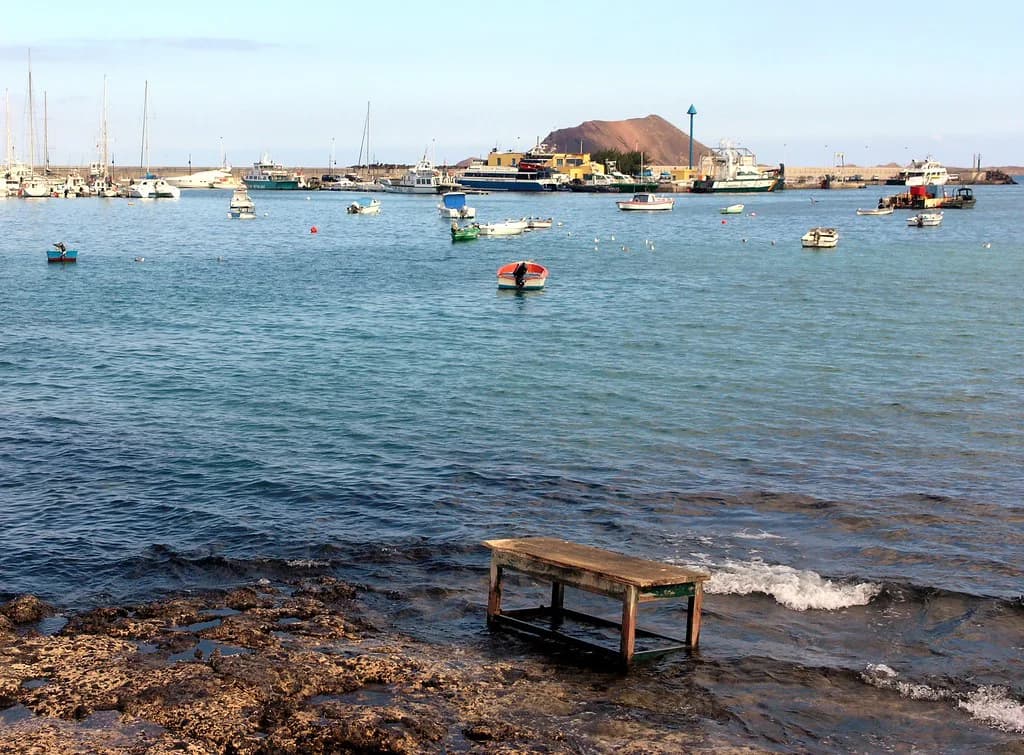
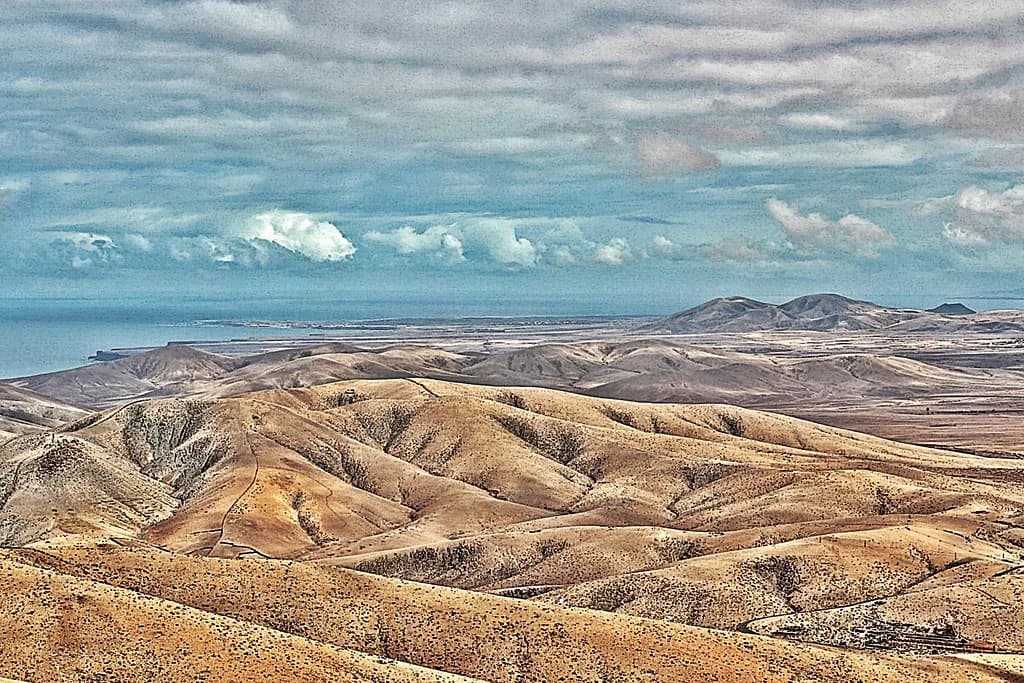
Inland, the wind drops and the heat builds, so a walk through Betancuria or La Oliva in the early afternoon feels considerably tougher than the same walk at nine in the morning. Coastal resorts such as Corralejo and Morro Jable hold the breeze better, which is why most August visitors stay close to the water.
How hot it really gets
A single average hides the spread, and the spread is what you plan around. Half of August days reach 27°C or more, and roughly one day in ten climbs above 31°C, so a week's stay will almost certainly include a couple of genuinely hot afternoons.
Historical records from August 2024 show how the month can swing hour by hour, which is why an early swim or a late walk beats a rigid sightseeing schedule. Build in a fallback for the hottest afternoons: a shaded terrace, a museum, or an air-conditioned lunch that stretches to four.
Peak season in practice: crowds, prices and quieter stretches
August is the busiest month, with higher prices and packed beaches, though the island's laid-back character survives the surge. Book accommodation and car hire well ahead if you are travelling in the school holidays, and expect the main resort beaches to be filling by late morning.
Quieter stretches exist if you are willing to drive. The long northern beaches and the wilder stretches near El Cotillo absorb crowds better than the central resort strips, and early morning on any beach is a different island from the same beach at noon.
If your dates are flexible, the second half of August tends to ease as Spanish families head home and the September shoulder approaches. Compare the trade-offs before you commit: a quieter week later in the month often costs less and feels cooler than the first fortnight. The same calculation of heat and crowds is worth making for Alicante in August, where the peak-season pattern follows a similar rhythm.
Swimming and the sea in August
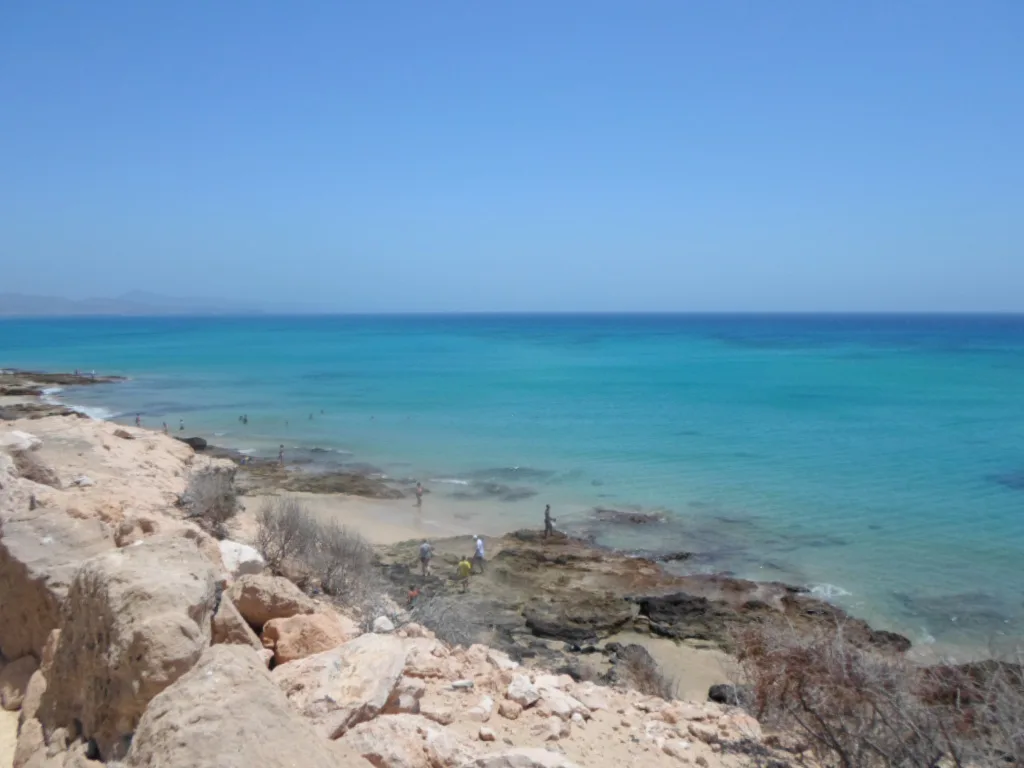
August is the month the water finally warms up properly, which is why swimming, snorkelling and long paddles are at their most comfortable now. Sheltered coves such as those around Caleta de Fuste suit families, while exposed northern beaches carry more swell and more wind.
The breeze that makes the air feel bearable also whips up chop and sand on open beaches, so pick your swim according to the wind direction rather than the nearest stretch of sand. A beach that is perfect on a calm day can be unpleasant and slightly hazardous when the trades are up.
Spanish August daily rhythm: lunch at 1:30, dinner from 8:30
Spain's meal times are the single most useful planning tool in August: lunch runs from about 1:30 to 4pm and dinner starts from 8:30 or 9pm. That makes the middle of the day a natural pause, and it means the hours from one to four are best spent indoors, under an awning, or in the shade of a palm.
Treat lunch as the main meal of the day: a long, shaded table with several small plates is both a cultural habit and a sensible way to sit out the worst sun. Book ahead in peak August, because the good terrace tables fill with families at exactly the time you want them.
Beach timing: early mornings and late afternoons
The best hours on the sand in August are before about eleven and after five, when the light softens, the crowds thin and the wind is often at its gentlest. Aim to be on the beach at eight for a swim and breakfast afterwards, then retreat to shade for lunch and return for a late afternoon walk.
The 1pm to 4pm window is the one to design around rather than fight: it is the hottest stretch of the day and the least rewarding time to be on open sand. Use it for lunch, a siesta, or a drive between towns, and save the coastal walks for the last two hours of daylight.
Wind sports and the August breeze
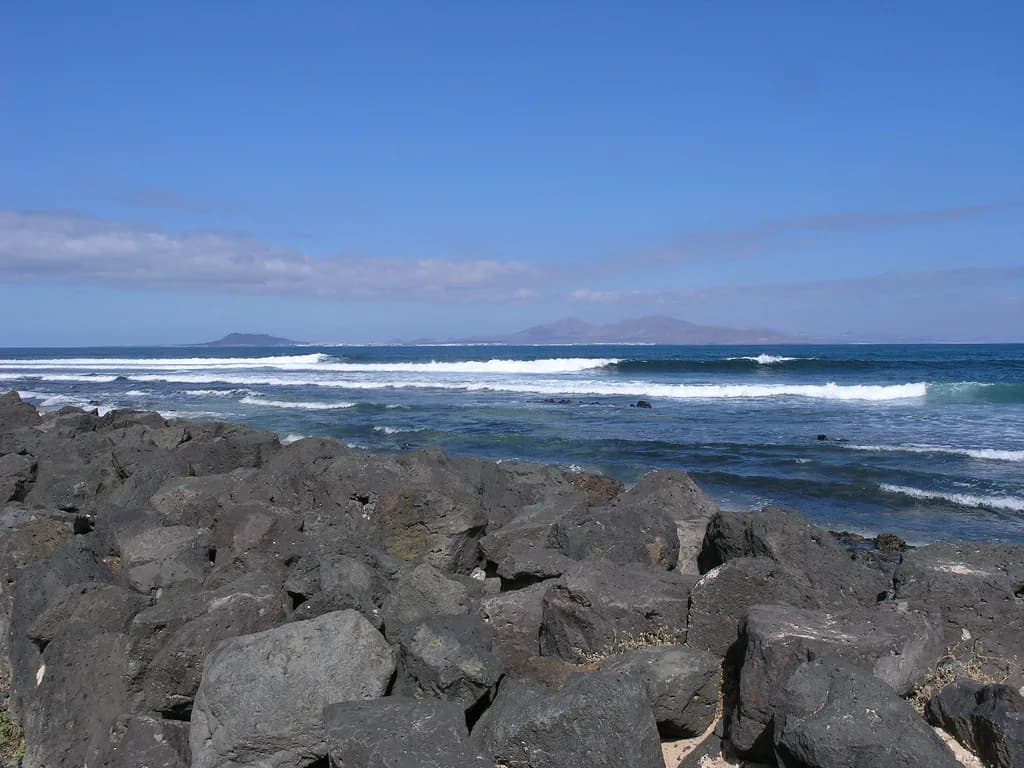
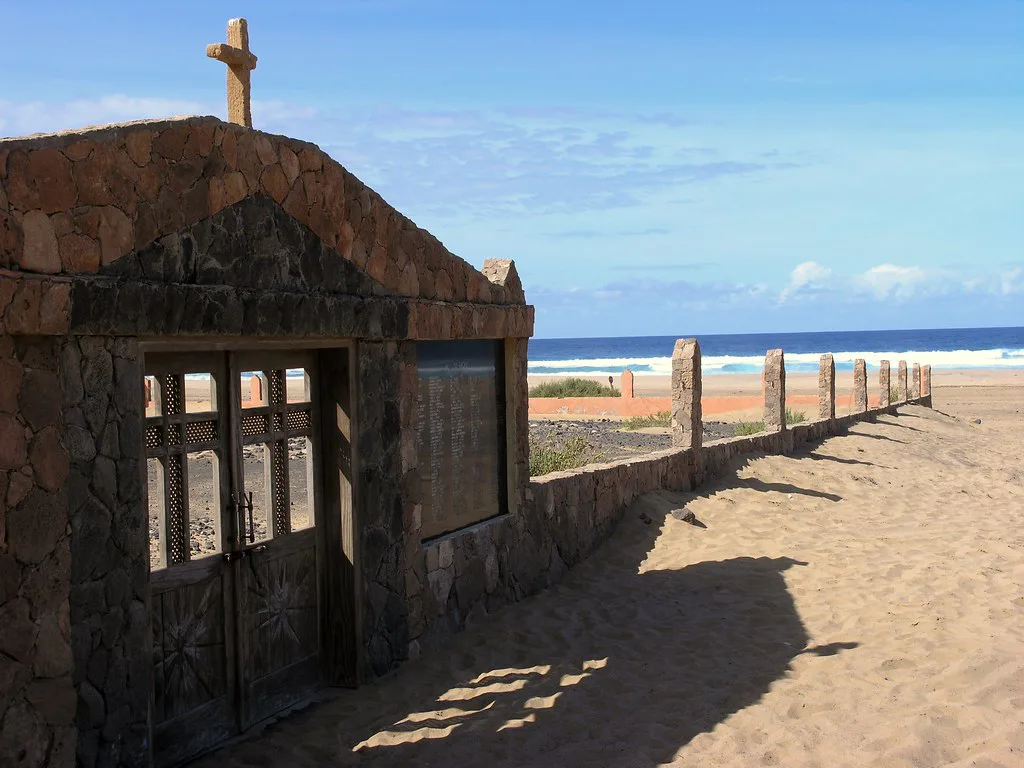
The consistent breeze makes August an excellent month for surfers, windsurfers and kiteboarders, particularly along the north and west coasts where the trades arrive unobstructed. Conditions vary by day and by beach, and beginner lessons are best booked in the morning when the wind is usually lighter.
If you are not a wind-sport person, the same breeze is your ally: it keeps coastal walks tolerable and makes a shaded terrace feel pleasant rather than stifling. Choose where you stay with that in mind, since a windy spot is a blessing in the day and occasionally a nuisance at night.
Day trips and inland villages
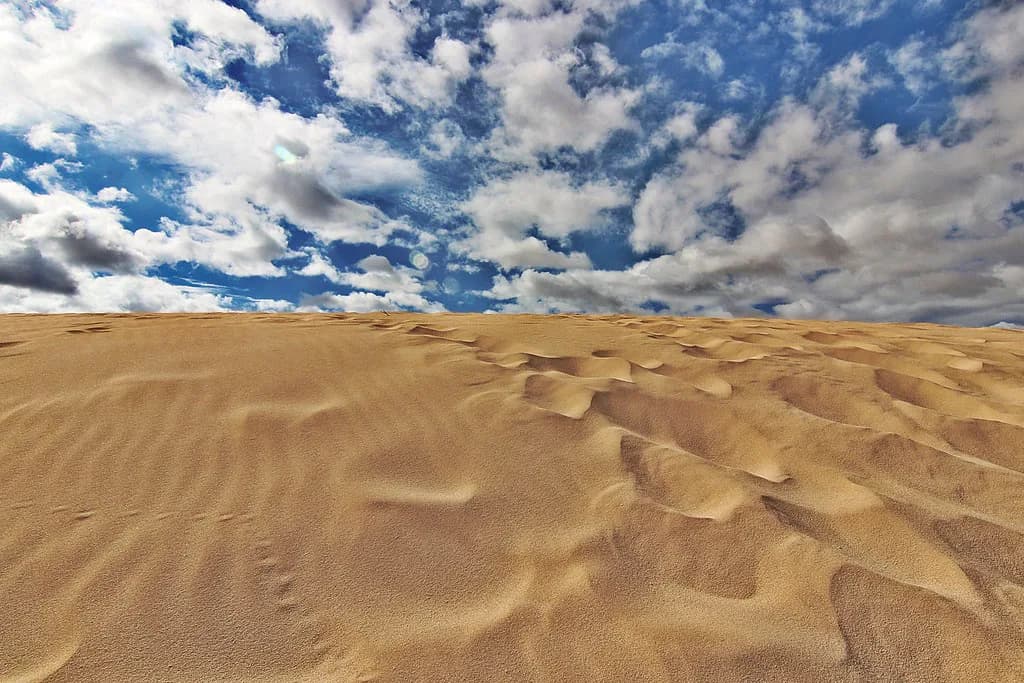
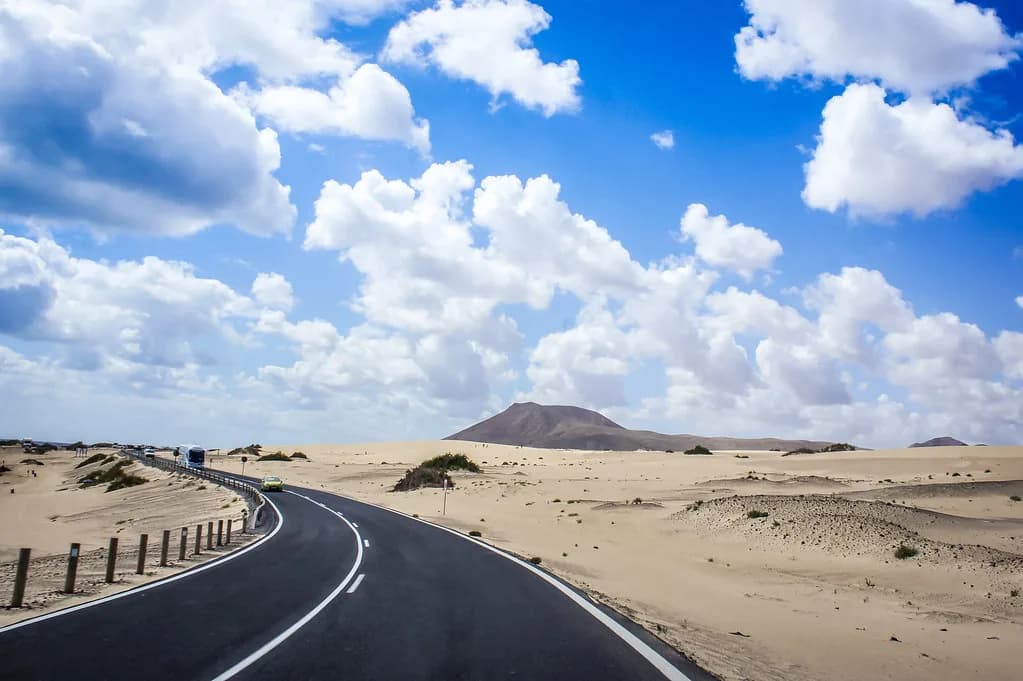
When the coast gets crowded, head inland or north. The Parque Natural de Corralejo and the dunes behind it give you big skies and space, and a morning there before the heat builds beats an afternoon on a packed resort beach.
Inland villages such as Betancuria and La Oliva are best visited early, when the roads are quiet and the heat is still gentle. Combine a short morning walk with lunch in a shaded square, then return to the coast for a late swim and dinner.
Festival season: check the official calendar
July and August bring festivals in many towns across the island, and the dates vary from year to year. Before you book, check the ayuntamiento website for the town you are visiting to confirm dates, road closures and whether the event is actually on during your stay.
August with children
Plan for shorter days than you would in a cooler month. A morning swim, lunch from 1:30, a siesta and an evening walk uses the island's rhythm well and keeps everyone out of the worst sun. Sheltered, lifeguarded beaches on the calmer east coast are the easier option with young children.
How many days you need
A week suits August well: it gives you three or four short beach sessions, two day trips and a couple of long lunches without racing the heat. If you have less time, pick one base and one inland excursion rather than trying to cross the whole island.
Pace the week with rest built in. Two full beach days back to back in August is tiring even for good swimmers, so alternate active mornings with slow ones and keep at least one afternoon completely free of plans.
What to pack for August heat and wind
Pack for strong sun and steady wind: high-factor sunscreen, a wide-brimmed hat, long-sleeved light layers for shade, and a windproof layer for evenings and boat trips. Reef-safe sunscreen and a refillable water bottle are worth the small extra weight, and a sarong or light towel doubles as sun cover on the beach.
Footwear matters more than people expect: sand gets hot by mid-morning and the volcanic paths inland are rough. Bring sandals for the beach and proper shoes for any walking, plus a light bag that closes properly so wind does not scatter your things.
Common August mistakes
The two most common errors are underestimating the sun and underestimating the wind. Midday on an exposed beach is genuinely uncomfortable, and a windy afternoon can turn a pleasant swim into a struggle; treat both as fixed conditions and plan around them.
The third is trying to do too much. August rewards slowness: one good swim, one good lunch and one good walk make a better day than three rushed sights and a sunburn.
When August is the right choice
August suits families tied to school holidays, swimmers who want warm water and anyone who likes a lively resort atmosphere. It suits less well those who want empty beaches or long inland hikes, and travellers on a tight budget will find better value outside the peak weeks.
If the heat is the main concern, compare the shoulder months before booking. September keeps much of the warmth with fewer crowds, and October brings gentler temperatures with the sea still swimmable.
Plan Your August Visit
Fuerteventura in August is hot, busy and windy, and it works beautifully if you let the island set the schedule: swim early, eat lunch from 1:30, rest through the afternoon and go out again after five. Book accommodation and car hire early, reserve terrace tables, and check official town hall calendars for any festival you plan around.
Explore more Fuerteventura guides
Frequently Asked Questions
How hot does it get in Fuerteventura in August?
Average highs sit around 28°C, with half of August days reaching 27°C or more and roughly one day in ten climbing above 31°C. The coastal breeze makes the heat feel more manageable than the numbers suggest, but midday sun on an exposed beach is still strong.
Is the sea warm enough to swim in Fuerteventura in August?
August is when the water is at its warmest and most comfortable for swimming and snorkelling. Sheltered coves on the calmer east coast are the easiest option, while exposed northern beaches can be choppy when the wind is up.
Is August a good time to visit Fuerteventura?
It is a good time if you want reliable summer sun, warm water and a lively resort atmosphere, and you are willing to plan around the heat and the crowds. It is less appealing if you want empty beaches or a quiet walking holiday.
How many days do you need in Fuerteventura in August?
A week gives you a comfortable mix of beach mornings, inland day trips and long lunches without overheating. With three or four nights, pick one base and one inland excursion and keep the rest of the schedule light.
What should I pack for Fuerteventura in August?
Pack high-factor sunscreen, a hat, light long sleeves for shade, a windproof layer for evenings and proper shoes for rough paths. A refillable water bottle and reef-safe sunscreen are worth the space.
When should I eat in Fuerteventura in August?
Lunch is served from about 1:30 to 4pm and dinner from 8:30 or 9pm. Make lunch your main meal and use the early afternoon for shade or a siesta, then head back out for a late swim and a late dinner.
Are there festivals in Fuerteventura in August?
Several towns hold festivals during the summer months, with dates that vary from year to year. Check the ayuntamiento website for the town you are visiting for dates and any road closures.
Sources
Notes for eating well in Spain
Optional updates to our guides.
You might also like
Continue reading
More guides you'll find useful