Fuerteventura in July: Weather, Crowds and What to Do
Fuerteventura in July means hot, sunny days and the island's busiest beaches. Here's what the weather feels like and how to plan meals, swimming and days out.
On this page
July on Fuerteventura is hot, sunny and windy, and it falls in the island's high season alongside August. Days are long and bright, the beaches fill up, and the wind that makes the island a water-sports destination is a factor in almost every plan you make. Treat it as a month for early starts, long lunches and late evenings rather than all-day sunbathing.
The practical shape of a July day is Spanish: lunch runs from 1:30pm to 4pm and dinner starts around 8:30pm to 9pm. Build your beach time and days out around those windows and you will eat well and avoid hunting for food at six in the evening. For the wider picture of what the island offers, our guide to things to do in fuerteventura covers the beaches, parks and towns in more depth.
What July is like in Fuerteventura: the short answer on heat, sun and wind
July is reliably hot and dry, with near-constant sunshine and very little rain. The island's high season runs through July and August, so expect the busiest beaches, fuller restaurants and firmer prices than in spring or late autumn. If you want space and quiet, this is not the month for it; if you want guaranteed beach weather, it is.
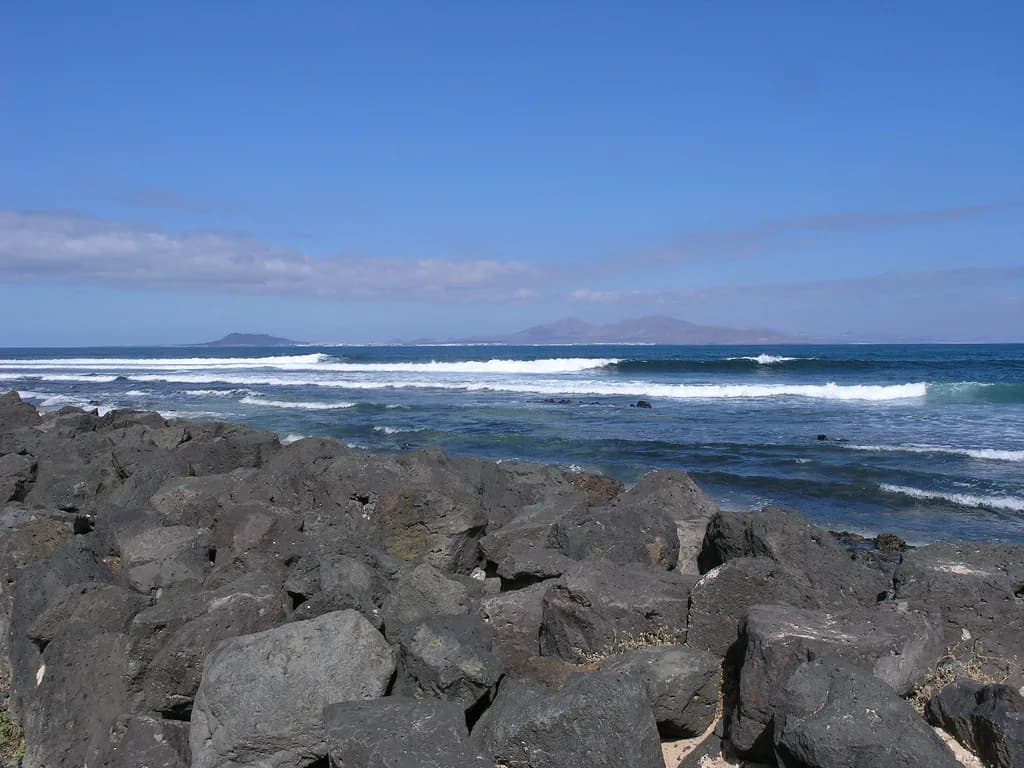
The wind is the detail that catches first-timers out. Fuerteventura's gusty conditions are what draw windsurfers and kitesurfers, and in summer that breeze is a constant companion on exposed beaches. It keeps the heat bearable but rules out a still, sunbathing-only day, so plan a mix of sheltered swimming and wind-driven activity instead of flat calm.
July temperatures and sunshine: when the day is most comfortable
Summer on Fuerteventura sees temperatures typically between 25°C and 30°C, and June to September are the hottest months, with highs climbing above 27°C. August edges ahead as the hottest month overall, which makes July marginally the gentler half of high season. The heat is dry rather than humid, but strong sun on open sand still drains you quickly.
In Jandía, July brings roughly 10 to 12 hours of sunshine a day, so daylight is never the constraint on your plans. Use the early morning and late afternoon for walking, cycling and exploring, and keep the middle of the day for swimming, lunch or shade. An evening jacket is rarely needed in July, though the wind can cool things down after dark.
Beaches in July: Corralejo, Sotavento and Matorral, and how to dodge the midday sun
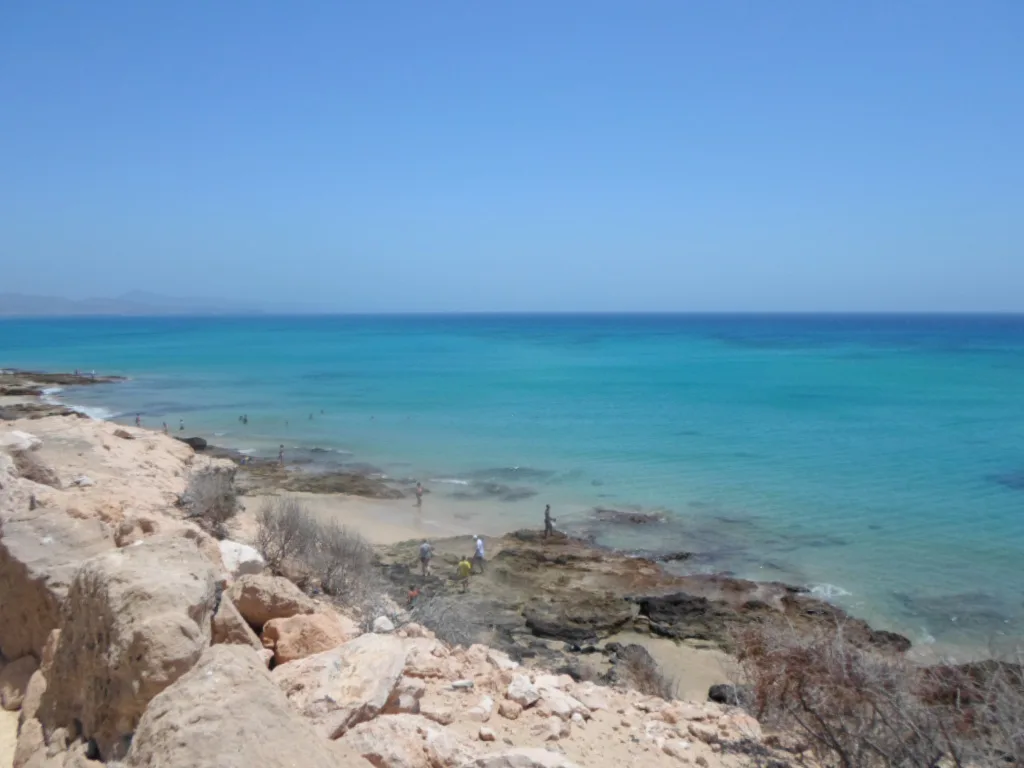
Corralejo's Grand Beach has calm water and sits within easy reach of the town's restaurants, which makes it the simplest choice if you want to swim and then eat without moving the car. Sotavento, in the south, is a run of five connected white-sand beaches and one of the island's headline stretches. Matorral Beach at Morro Jable pairs sand with a seafront promenade for eating and shopping, while Cofete on the far southern point is a long, undeveloped sweep for anyone willing to trade facilities for space.
In July the sensible pattern is to reach the sand early, swim before the sun peaks, then retreat for lunch between 1:30pm and 4pm and return in the late afternoon. Parking at the popular beaches fills early in high season, so arriving before mid-morning saves a lot of circling. Carry more water than you think you need and shade you can move.
Wind and water sports: why July suits windsurfing and kitesurfing in Corralejo
Book kitesurfing or windsurfing lessons in Corralejo if you want the wind on your side; the town is the island's centre for both. Flag Beach and Glass Beach nearby are where you watch experienced riders catch the strong wind, and they double as good spots to judge conditions before committing to a course. Beginners should book with an established school rather than renting kit independently.
For calmer water, Veril Chico is a snorkelling and scuba spot with marine life, and the sheltered water off Corralejo's Grand Beach suits casual swimming. The trade-off is straightforward: the windiest beaches are best for riding and worst for lying still, and the sheltered ones are the reverse. Split your days accordingly instead of expecting one beach to do everything.
Eating on Spanish time in July: lunch from 1:30pm, dinner from 8:30pm
Restaurants on Fuerteventura keep Spanish hours: lunch from 1:30pm to 4pm, dinner from around 8:30pm to 9pm. In July this suits the heat, because the long midday break falls exactly when the sun is fiercest and dinner happens after the beach has cooled. Eat a proper lunch and you can skip the awkward late-afternoon search for a kitchen that is actually open.
Canarian cooking is traditionally simple and often served as appetisers, built around goat, fish and gofio, a roasted wheat or corn flour. Expect mojo, the pepper and olive oil sauce, with most meals. Tapas in Corralejo before an evening of live music is the classic shape of a July night, and the liveliest bar and music scene on the island is there.
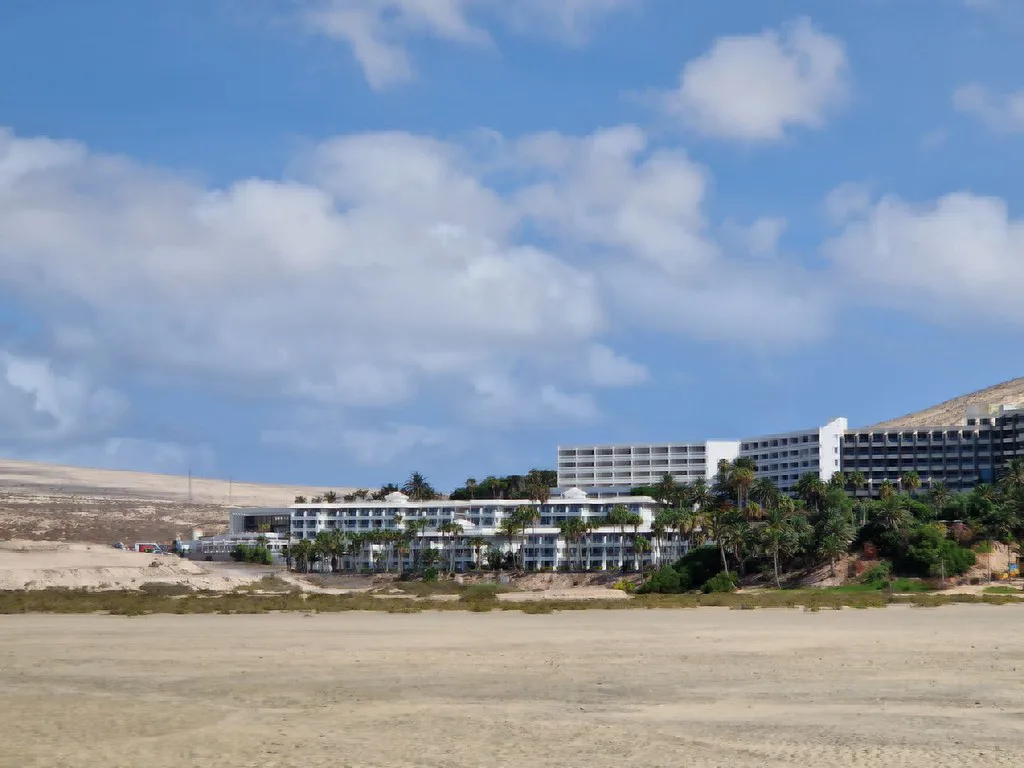
What to order in Fuerteventura: papas arrugadas, mojo, gofio and majorero cheese
Start with papas arrugadas, the wrinkled salt-boiled potatoes served with mojo, and potaje de berros, a watercress soup that is a staple of the island's home cooking. Both are simple, filling and typical of the Canarian approach rather than a tourist menu. They also appear on plenty of menus as starters, so ordering several small plates works well.
For cheese, look for majorero, a milky, smooth goat's cheese from the island, sold at queserías and served alongside local wine in the restaurants of Corralejo. Bodega Conatvs runs wine tastings and tours if you want to understand what you are drinking. Pairing local wine with fresh seafood is the most reliable way to eat well in July without overthinking the menu.
Corralejo in July: beaches, tapas and evening live music
Corralejo is the best base in July for beaches and restaurants together, with the town beach, a busy tapas scene and the liveliest nightlife on the island. Music Square hosts live concerts, and La Cremeria Heladeria Artesanal serves homemade ice cream for the walk back. In high season, book accommodation early and expect the seafront to be crowded through the evening.
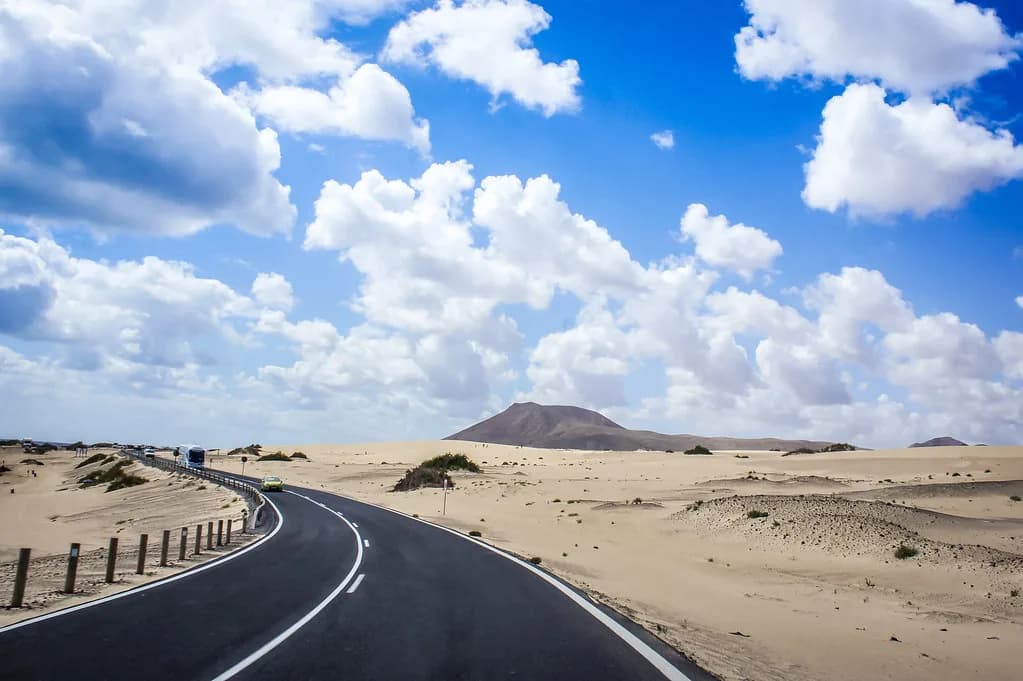
If you want more than the town, the dunes and volcanic landscape of the Parque Natural de Corralejo sit on the doorstep, with the climb up Montaña Roja offering a different view of the coast. Our guide to Parque Natural de Corralejo explains how to spend a morning there before the heat builds.
Caleta de Fuste and Costa Calma: calmer bases for families and quiet seekers
Caleta de Fuste suits families: Castillo Beach has calm currents for swimming and small rock pools at either end of the sand, and many restaurants cater to children with familiar dishes. A craft market runs in the town square on Fridays, and the resort is generally quieter than Corralejo in the evenings.
Costa Calma is the pick for peace, with a tranquil beach, early sunrises and nearby hiking trails, plus Esmeralda Beach and its rock formations. The trade-off is real: you get quiet and nature at the cost of the bar-and-restaurant bustle that Corralejo provides. Families often prefer Caleta de Fuste, while couples and walkers lean towards Costa Calma.
Wherever you base yourself, July is high season, so a planned itinerary beats improvising. Our suggested Fuerteventura itinerary maps a few days across the island and shows how to link a beach morning to an inland afternoon.
Days out: Corralejo Natural Park, Betancuria Rural Park and the Isla de Lobos ferry
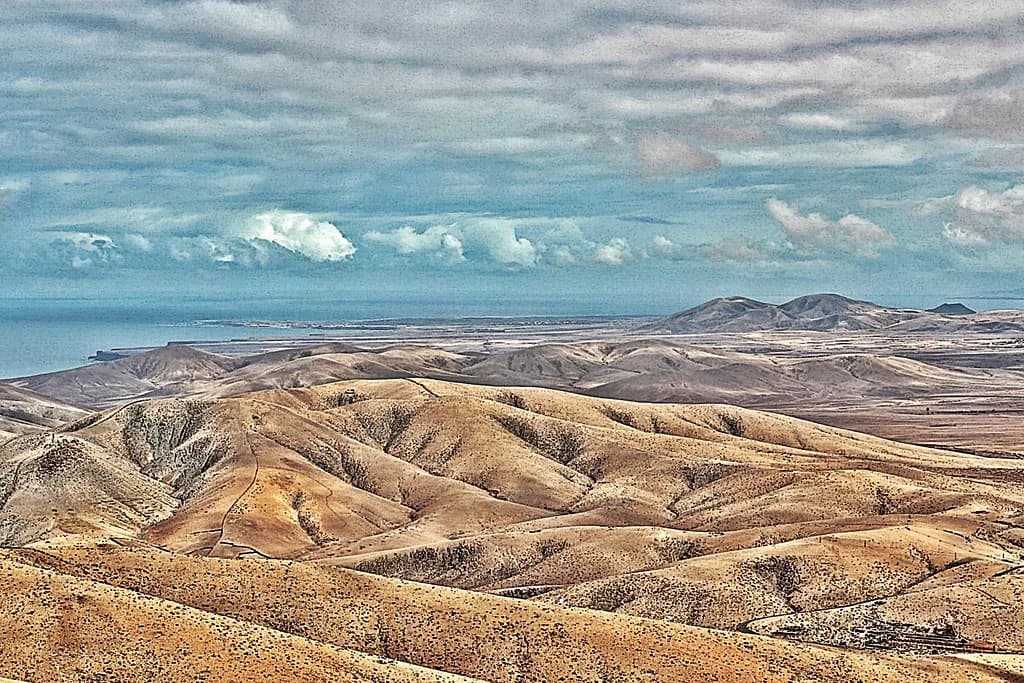
Beyond the beaches, Betancuria Rural Park offers hiking where you can spot canaries and vultures, and Las Calderas lets you look inside a dormant volcano. Both are inland, which makes them good choices for a windy beach day or a morning before the heat settles. Take water and sun protection; there is little shade on open volcanic ground.
The Isla de Lobos is a 15-minute ferry from the island and is uninhabited, with hiking trails and Playa de la Concha beach. Lanzarote is a 30-minute ferry away if you want a second island in the same trip. In July, book ferry crossings ahead rather than turning up at the port and hoping.
Markets and shopping in July: El Campanario and the Caleta de Fuste craft market
El Campanario in Corralejo is the handicraft and clothes quarter, and hosts local food and craft vendors on Thursdays and Sundays at Mercado Canario. The Caleta de Fuste craft market runs in the town square on Fridays, which makes it an easy pairing with a beach morning at Castillo Beach. Markets are best visited early, before the midday heat.
For indoor shopping, Centro Comercial Las Palmeras in Corralejo and Centro Comercial Las Rotondas in Puerto del Rosario give you air-conditioned cover during the hottest hours. The El Campanario shopping streets work for clothes and souvenirs. Our guide to shopping in fuerteventura covers the malls, markets and retail streets in more detail.
Budgeting in July: what meals, beer and short taxi rides cost
As a planning guide, an inexpensive meal in a restaurant runs around €12, a local beer usually costs less than €5, and a short taxi ride is about €10. Treat these as guide figures rather than fixed prices, because costs climb during the busy summer season and vary by resort. Corralejo and the larger resorts tend to sit at the higher end.
Self-catering breakfast and a main meal at lunch is the most reliable way to keep a July food budget in check, since lunch menus are generally better value than dinner. Carry a little cash for markets and small bars, though cards are widely accepted. Our pick of the best restaurants in Fuerteventura covers where to spend a bit more.
Getting around without a car, and when to hire one
The local bus company connects most towns, and buying a BtF card on board gets you a discount on fares. Once you are in a town, walking covers most of what you need, and scooters are a popular way to get around locally. For remote villages and the more out-of-the-way beaches, hiring a car gives you far more flexibility.
In July, hire cars book up in high season, so reserve before you fly if you want one for the whole trip. If you are staying a few days, work out whether you actually need it: our guide to how many days in fuerteventura helps you judge how much ground you can cover.
Practical July packing: sun protection, a light jacket for evenings and cash
Pack high-factor sun protection, a hat and a refillable water bottle; the island has more than 300 sunny days a year and you can burn without noticing in the wind. Bring a light layer for breezy evenings and something to sit on at the beach. A small amount of cash covers markets and smaller bars.
If you are weighing up dates either side of July, august is hotter and busier, while Fuerteventura in september eases off in crowds without losing the warmth. Compare the two before you book flights, because the difference in how full the beaches feel is bigger than the difference in temperature.
Plan Your Visit
July gives you the most reliable beach weather of the year on Fuerteventura, at the cost of crowds and firmer prices. Build your days around early swims, a long lunch from 1:30pm and dinner from 8:30pm, and use the wind for water sports rather than resenting it. If you are still deciding between islands for a summer escape, our guide to alicante in july shows how a mainland Costa Blanca break handles the same heat.
Choose Corralejo for energy, Caleta de Fuste for family ease and Costa Calma for quiet, then reserve ferries and hire cars ahead. Check restaurant opening days and any seasonal closures with the venues themselves before you travel.
Frequently Asked Questions
How hot is Fuerteventura in July?
Summer temperatures typically sit between 25°C and 30°C, and the hottest months run from June to September with highs above 27°C. August is marginally hotter than July. In Jandía, July averages roughly 10 to 12 hours of sunshine a day, so plan shade and water for the middle of the day.
Is July a good time to visit Fuerteventura?
Yes, if you want guaranteed sun and warm beach weather. July falls in the island's high season alongside August, so beaches are at their fullest and prices firm up. Travellers who prefer space and quiet should look at spring or late autumn instead.
Is the wind a problem in Fuerteventura in July?
The wind is a feature rather than a problem. It keeps the heat manageable and makes Corralejo one of the island's centres for windsurfing and kitesurfing, with Flag Beach and Glass Beach good for watching experienced riders. If you want still, sunbathing-only days, pick sheltered beaches such as the calm water off Corralejo's Grand Beach.
What should I pack for Fuerteventura in July?
High-factor sun protection, a hat and a refillable water bottle are essentials, since the island has more than 300 sunny days a year and the breeze hides how strong the sun is. Add a light layer for breezy evenings, beach shade and a little cash for markets and small bars.
What time do restaurants serve dinner in Fuerteventura?
Restaurants keep Spanish hours: lunch from 1:30pm to 4pm and dinner from around 8:30pm to 9pm. In July that means eating a proper lunch and then dining late, after the beach has cooled. Smaller bars and cafés may keep different hours.
Which base suits a July trip best?
Corralejo is best for beaches, tapas and evening live music, Caleta de Fuste suits families with calm water at Castillo Beach and plenty of child-friendly restaurants, and Costa Calma is the quiet, nature-focused option with hiking trails nearby. All three are busy in high season, so book accommodation early.
Sources
Notes for eating well in Spain
Optional updates to our guides.
You might also like
Continue reading
More guides you'll find useful