What to Eat in Ronda: Local Dishes and Where to Try Them
What to eat in Ronda, from rabo de toro to queso Payoyo, plus named tapas bars and restaurants where these Andalusian dishes are served.
On this page
Ronda's table is built on rabo de toro, oxtail slow-cooked in red wine, and queso Payoyo, the sharp local cheese from the Sierra de Grazalema hills. Order those two first and you have understood the town's cooking before you sit down. What follows names the specific bars and restaurants where they appear, plus the Andalusian classics worth ordering alongside.
The town is small enough to eat well on foot, but the eating is split between the old town around the Puente Nuevo and the newer streets towards the bullring. Plan lunch for 1:30pm onwards and dinner from about 8:30pm, and you will eat when the kitchens are actually working.
What to eat in Ronda: the short answer
Rabo de toro and queso Payoyo are the two things to seek out, and both turn up on menus across the old town and the new town. Beyond that, expect the wider Andalusian repertoire: salmorejo, patatas bravas, croquettes and simple grilled and stewed dishes. If you like planning a trip around regional cooking, our guide to Ibiza food shows how another Spanish destination builds its table, and Tenerife food offers a further island comparison.
Ronda also sits on the Sierra de Ronda wine route, so a glass of local red or white belongs with the food rather than as an afterthought. The town's restaurants range from tiny tapas bars to a two-Michelin-starred kitchen, which means you can eat cheaply or expensively on the same street.
Rabo de toro: the dish most associated with Ronda
Rabo de toro is oxtail braised slowly in red wine sauce, and it is the classic plate of the town. Order it as a main rather than a snack, ideally at lunch when you have the afternoon to walk it off. Bodega San Francisco, in the Barrio San Francisco, serves it among its traditional Andalusian dishes.
Because it is a stew, rabo de toro suits the cooler months better than a 40-degree August afternoon. Pair it with bread to mop the sauce and a glass of local red, and skip a starter if you plan to keep walking afterwards.
Queso Payoyo: the local cheese to order first
Queso Payoyo comes from the Payoyo goat breed in the mountains around Ronda, and it has a rich, tangy flavour that works as a tapa, with salad, or alongside cured meat. It appears on tapas menus and cheese boards across town, so it is an easy first order while you read the rest of the menu.
Order it with a glass of Ronda white or a light red rather than a heavy wine, since the cheese is already assertive. If a bar lists several Payoyo ages, start with the younger one and work up.
Andalusian classics to look for on menus
Salmorejo, the cold tomato soup thickened with bread, and patatas bravas turn up widely, including among the tapas at Tragatá on Calle Nueva. Croquettes and octopus also feature on modern Andalusian menus in town, so a table of small plates covers the classics without committing to a full stew.
If you want a single dish that shows what the region does with rice, look for arroz de campo, a countryside rice with chicken, peppers and green beans, served at some of the wineries outside town. Eating at a bodega is a half-day rather than a quick lunch, so build it into the plan.
Ronda wine: what the region pours and where to drink it
The vineyards around Ronda were revived from the 1980s and now supply both reds and whites, including a white made from red grapes that keeps a faint pink tinge. Tastings at estates such as Doña Felisa near Acinipo include a guided tour and several wines, with an option to add a meal.
In town, Entre Vinos on Calle Pozo is a small wine bar with a strong list of local bottles by the glass and charcuterie and cheese plates to go with them. It is a good first stop before dinner, and a sensible place to try several Ronda wines without a car.
Where to eat in Ronda: named tapas bars and restaurants
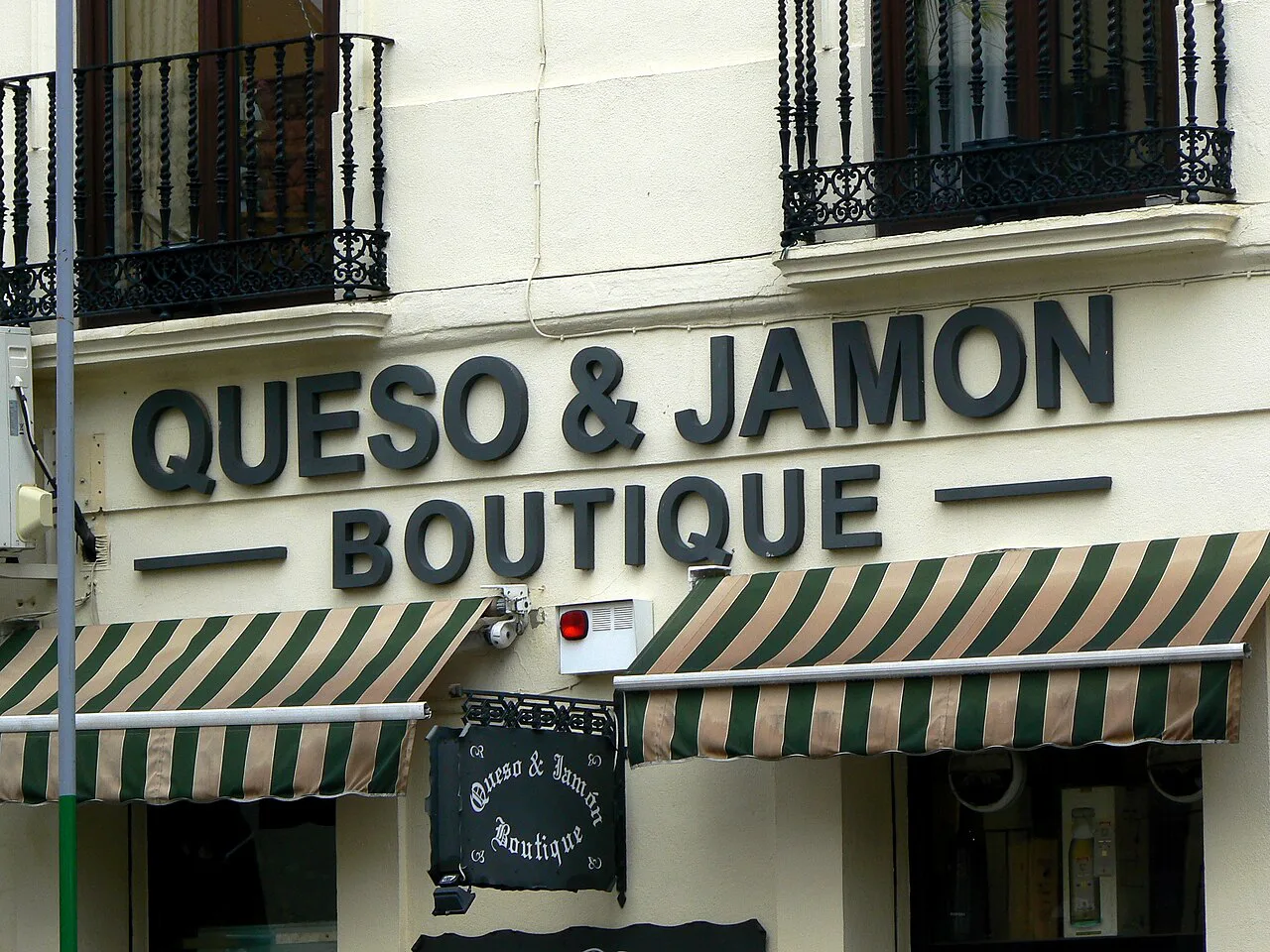
El Lechuguita is the local tapas favourite, cheap and busy, while Casa María in the old town cooks without a printed menu, working from what is fresh that day. Both suit a casual meal rather than a long sit-down.
For a proper table, Tragatá on Calle Nueva serves creative tapas with an Andalusian-Asian slant, and Bardal, by the same chef, is the town's two-Michelin-starred restaurant for a special evening. Restaurante Pedro Romero near the bullring sticks to classic Spanish cooking, and Toro Tapas near the bullring does tapas and local wines, with boletus risotto and aubergine with honey among the plates.
For a quick, small-plate meal, Bar Sanchez is a compact restaurant that rewards reserving ahead, and Albacara serves traditional Mediterranean and Andalusian food with gorge views. Casa Ortega and Arrabal Restaurante round out the options, the latter with cliffside dining and online booking.
Cliffside and gorge-view tables: what you trade for the view
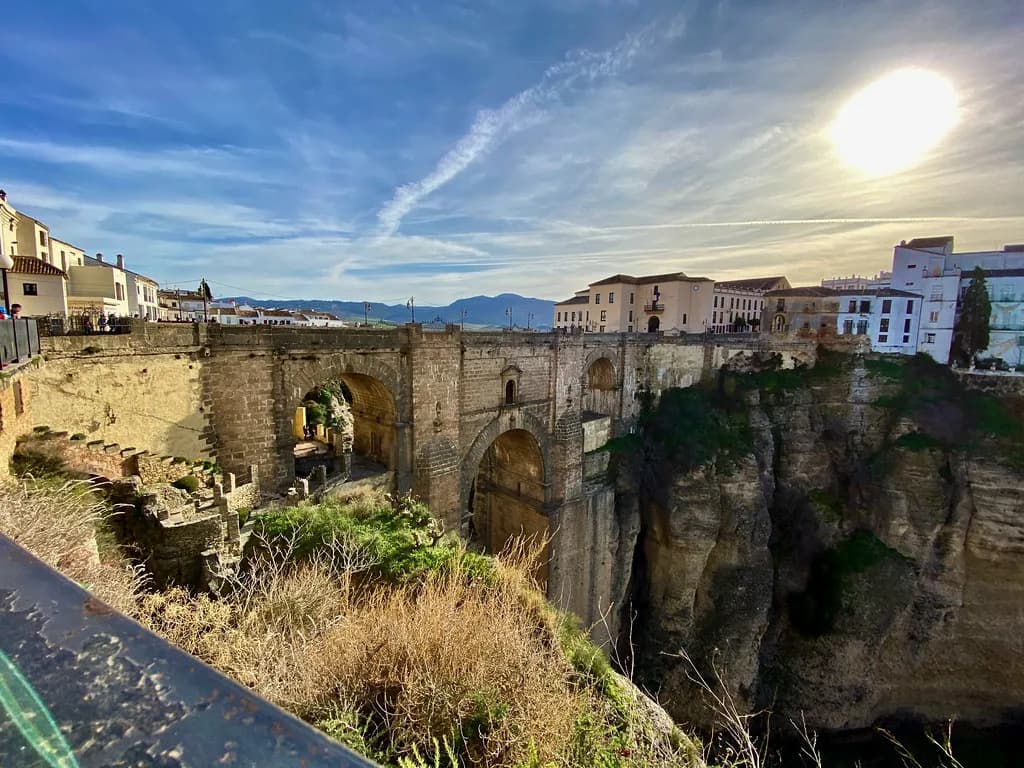
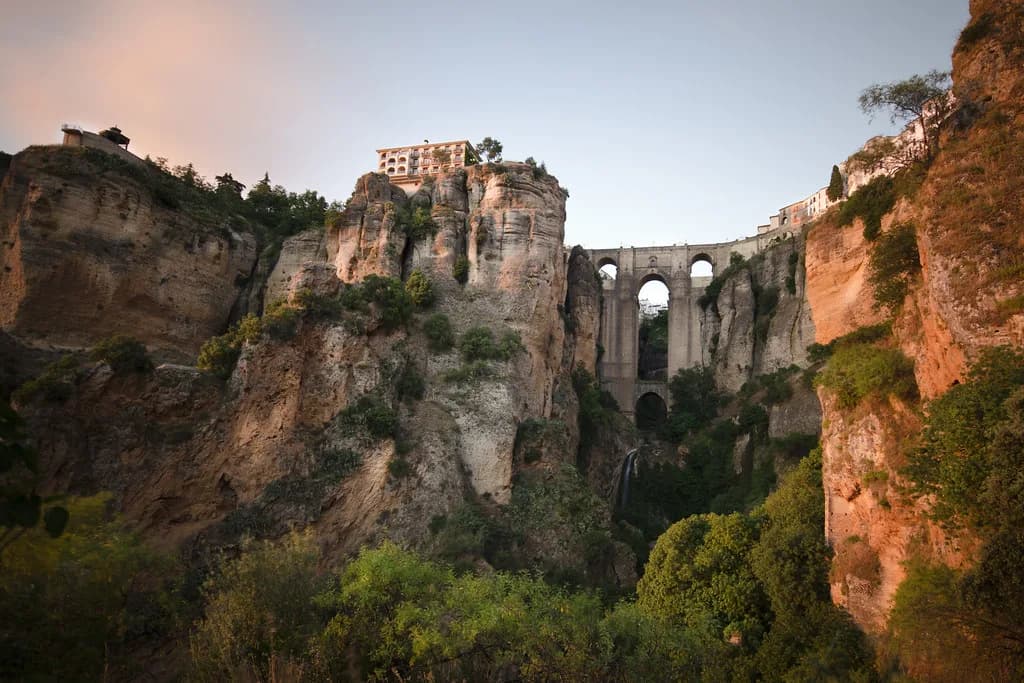
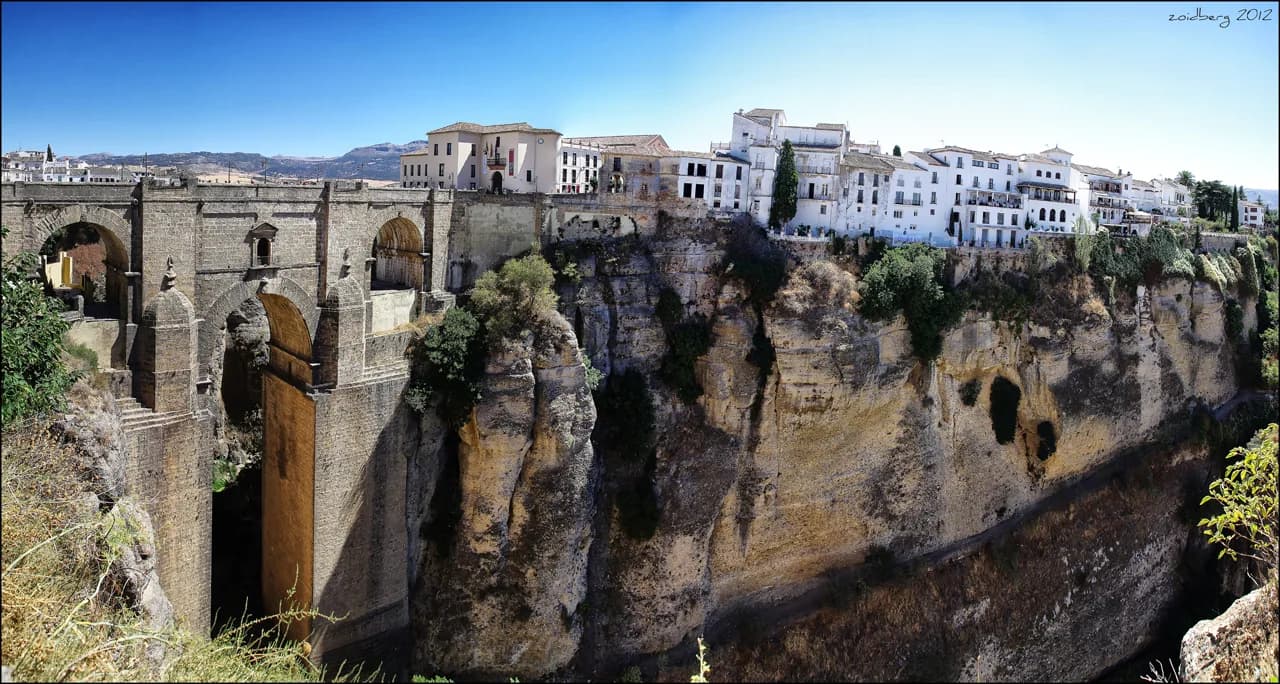
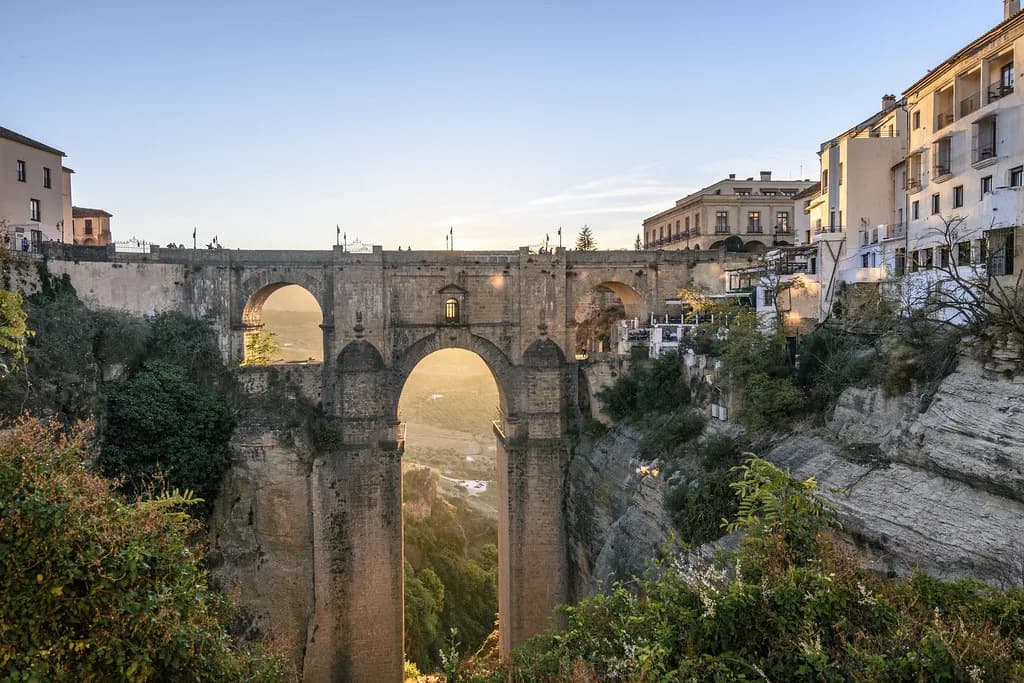
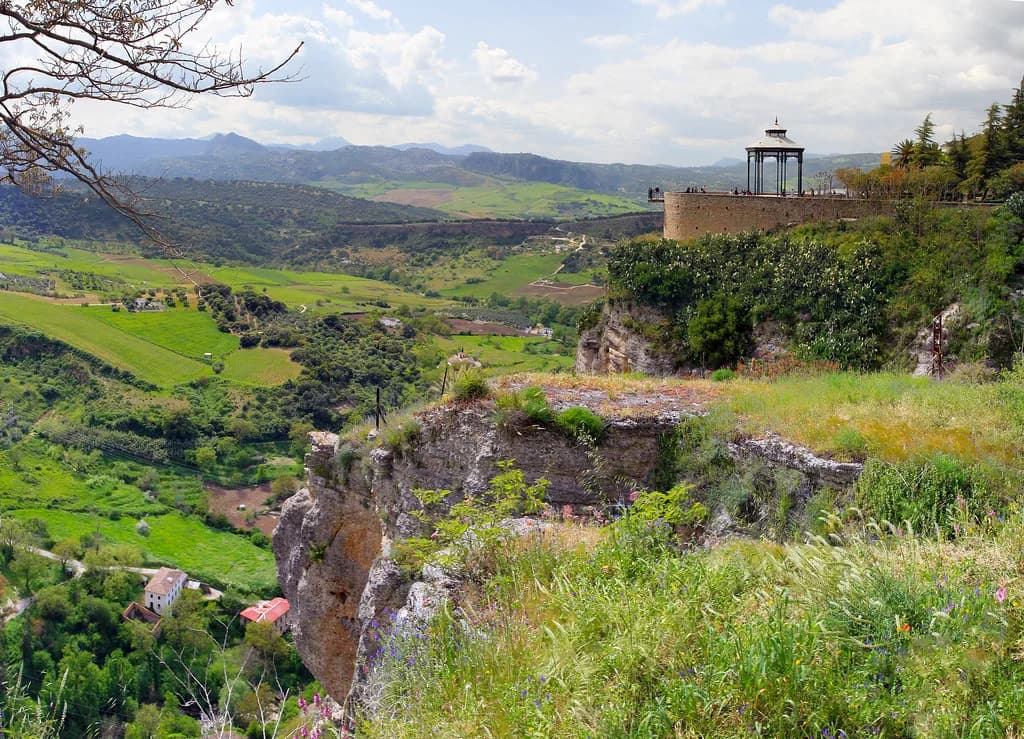
Tables with a view of the El Tajo gorge, at Albacara or Arrabal, buy you a panorama across the drop and the Puente Nuevo. The trade-off is that view tables fill first in peak season, so book ahead or eat earlier than the Spanish crowd.
If the food matters more than the photograph, eat in the old town and walk to a mirador afterwards for free. The bridge viewpoints cost nothing and the light is often better than from a restaurant terrace.
Old Town versus the New Town for eating
The old town, La Ciudad, is quieter and holds Casa María and the streets around the Plaza Duquesa de Parcent, where terraces sit in the sun. The new town, El Mercadillo, clusters restaurants and shops around the Plaza de España and the bullring, and is where much of the everyday eating happens.
Staying near the bridge puts both within a short walk, which matters after a long lunch. Wherever you base yourself, the town is small enough that the choice is about atmosphere rather than distance.
Tapas, raciones and menú del día: how ordering works
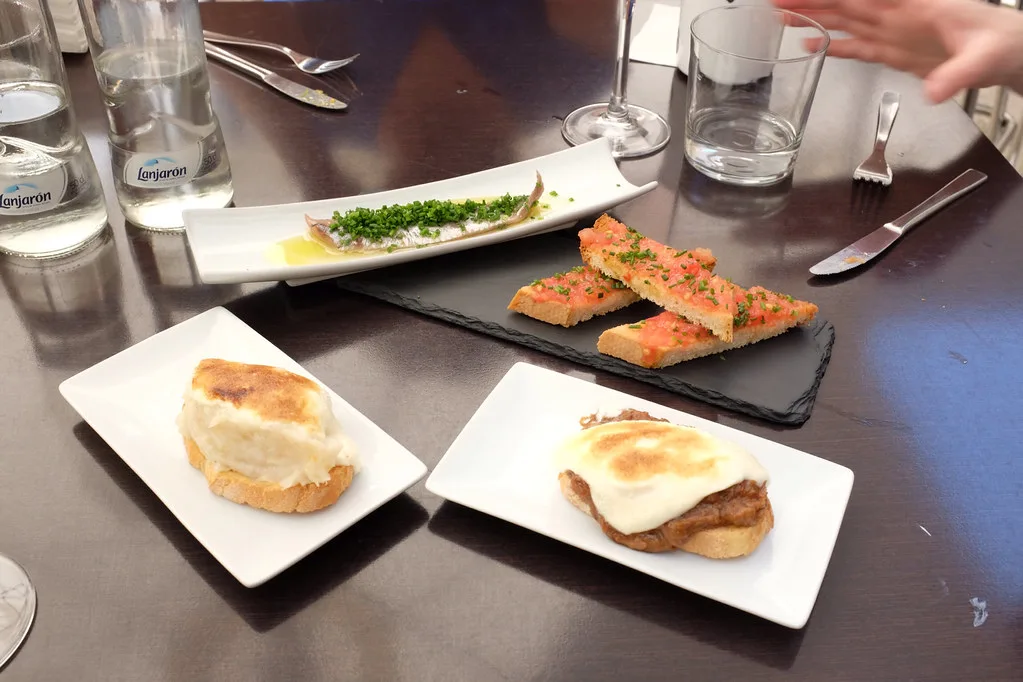
A tapa is a small plate, a ración is a full portion, and a menú del día is a fixed multi-course lunch at a set price, usually only at midday. Ordering three or four tapas between two people is a sensible start, and you can add raciones if you are still hungry.
Bread and olives often arrive without being ordered, and they may appear on the bill, so ask if you would rather not have them. Wine by the glass is normal in tapas bars, and many list local Ronda bottles rather than a long national list.
Meal times: lunch from 1:30pm, dinner from 8:30pm
Lunch runs from about 1:30pm to 4pm and dinner starts around 8:30pm to 9pm, so a 7pm appetite will find kitchens still quiet. Use the gap for a walk along the Alameda del Tajo or a plate of churros at Churrería Alba on Carrera Espinel.
Spanish eating hours mean the busiest restaurant slots are later than most visitors expect, which works in your favour if you eat early. It also means a late breakfast or a mid-afternoon snack is part of the day rather than a failure of planning.
Practical notes on booking and peak-season queues
Small rooms like Entre Vinos and Casa María fill quickly in high season, and Tragatá is popular enough that arriving at opening is the reliable move. Book by phone or online where the restaurant offers it, especially at weekends and in spring and autumn.
March to June and October to November give milder weather and thinner crowds than high summer, when Ronda gets hot and busy. If you are in town for a short stay, an itinerary that pairs a long lunch with an afternoon of sights works better than cramming in restaurants.
Plan Your Eating Around Ronda
Build your Ronda eating around rabo de toro at lunch, queso Payoyo as a first tapa, and a glass of Sierra de Ronda wine in between. Name the two or three places you most want to try, then leave the rest to the old town terraces and the tapas bars near the bullring.
Check current opening days and prices directly with each restaurant before you go, since hours and menus change through the year. Pair a meal with a walk over the Puente Nuevo and you have the town's two essential experiences in one afternoon.
Explore more Ronda guides
Frequently Asked Questions
What food is Ronda known for?
Rabo de toro, oxtail slow-cooked in red wine, and queso Payoyo, the local goat's cheese from the surrounding mountains, are the two dishes most associated with the town. Beyond those, expect the wider Andalusian repertoire of salmorejo, patatas bravas and croquettes.
Where should I eat rabo de toro in Ronda?
Bodega San Francisco in the Barrio San Francisco serves rabo de toro among its traditional Andalusian dishes. It is a stew, so it suits lunch or a cooler evening better than a hot summer afternoon.
What is queso Payoyo and where can I try it?
Queso Payoyo is a tangy goat's cheese made from the Payoyo breed in the mountains around Ronda. It appears on tapas menus and cheese boards across town, and pairs well with a glass of local white or light red.
Which Ronda restaurants have views of the gorge?
Albacara and Arrabal Restaurante both sit with views over the El Tajo gorge. View tables fill first in peak season, so book ahead or eat earlier than the Spanish crowd.
Where can I drink Ronda wine in town?
Entre Vinos on Calle Pozo is a small wine bar with local bottles by the glass and plates of charcuterie and cheese. Outside town, estates such as Doña Felisa run guided tastings with an option to add a meal.
What time do people eat dinner in Ronda?
Dinner starts around 8:30pm to 9pm, and lunch runs from about 1:30pm to 4pm. If you are hungry at 7pm, use the gap for a walk or a plate of churros.
Is Ronda good for tapas?
Yes. El Lechuguita is the local tapas favourite and Casa María cooks without a printed menu from what is fresh that day. Tragatá and Toro Tapas offer more modern small plates.
Sources
Notes for eating well in Spain
Optional updates to our guides.
You might also like
Continue reading
More guides you'll find useful