Free Things to Do in Alicante: Best Picks Guide
Plan a free day in Alicante with the castle climb, Santa Cruz old town, the central market and Postiguet beach, plus how long each stop takes.
On this page
Almost everything worth seeing in Alicante sits within walking distance of the old town, so a free day here needs no bus, tram or car. You can climb to a hilltop castle, wander flowered lanes, browse a central market and swim off the city beach without paying an entrance fee. The main cost is time and, in summer, water.
This guide gives each stop a realistic duration so you can shape a half-day or a full one. It also flags the trade-offs, because the castle climb is steep and exposed and the market is a browsing stop rather than a full afternoon. If you are weighing up a longer stay, work out how many days in alicante you need before locking in a plan.
What You Can Do in Alicante for Free: The Short Answer
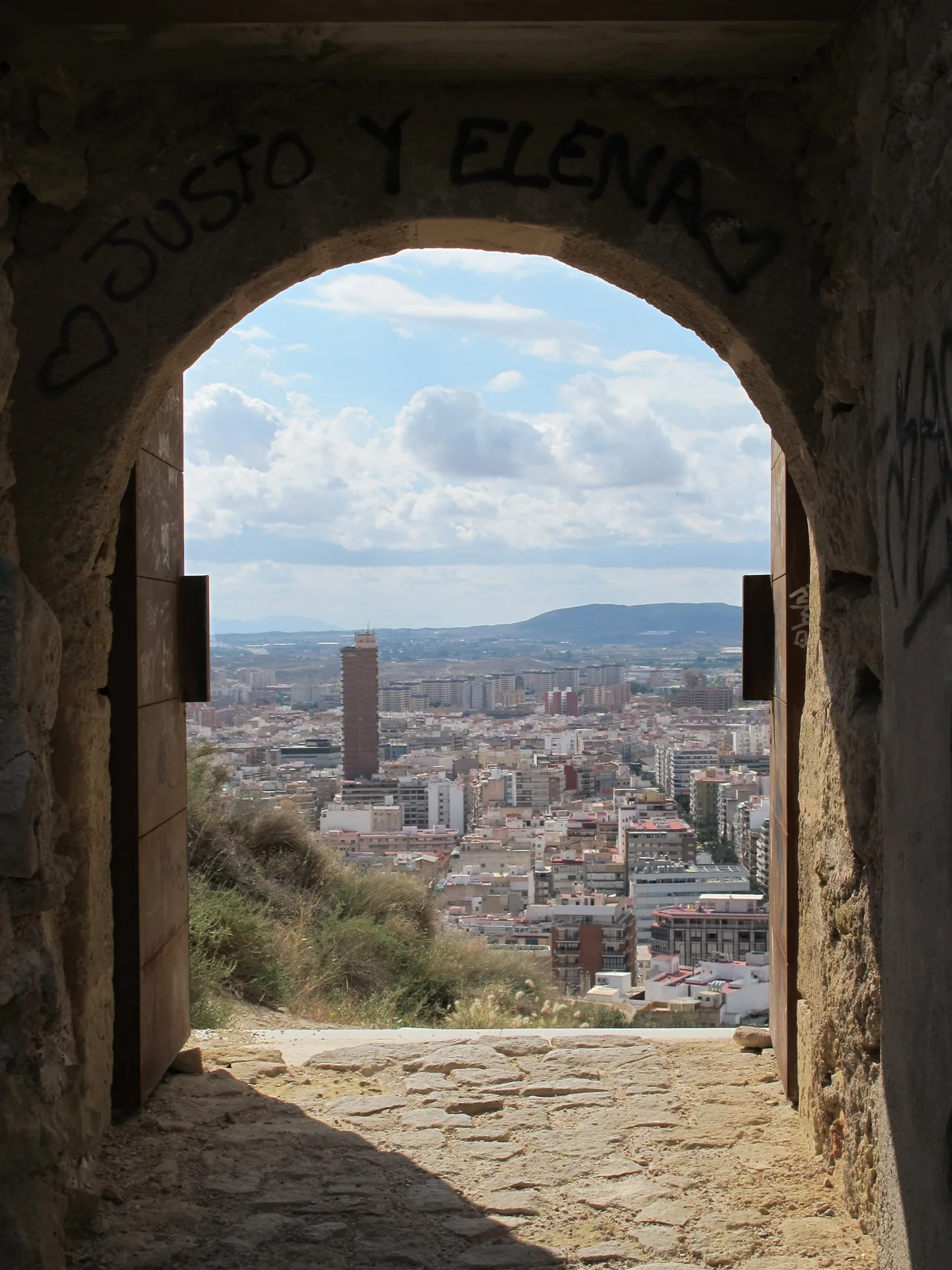
The free core of Alicante is a castle, an old neighbourhood, a market, a beach, a harbour walk and a handful of churches. Castell de Santa Bárbara sits on Mount Benacantil above the city and is the single sight most visitors head for first. The climb on foot takes about an hour, and you should carry plenty of water because the route is hot in summer.
Below the castle, Barrio de Santa Cruz fills narrow streets with flowers and coloured tiles, and it costs nothing to walk through. Mercado Central is free to enter and is the sensible place to assemble a cheap picnic of fruit, cheese, cured meat and bread rather than buying every meal in a restaurant. Playa del Postiguet puts sand and swimming at the edge of the city centre.
Two smaller stops round out the day: Castillo Sant Ferran park on its low hill north of the centre, and the harbour, where you can walk the pier and look back at the city. The churches, including Basílica de Santa María, Concatedral de San Nicolás and Ermita de San Roque, are visited for their architecture rather than any organised attraction. Plan the order around the light and the heat rather than around transport.
Castell de Santa Bárbara: The Climb and the View
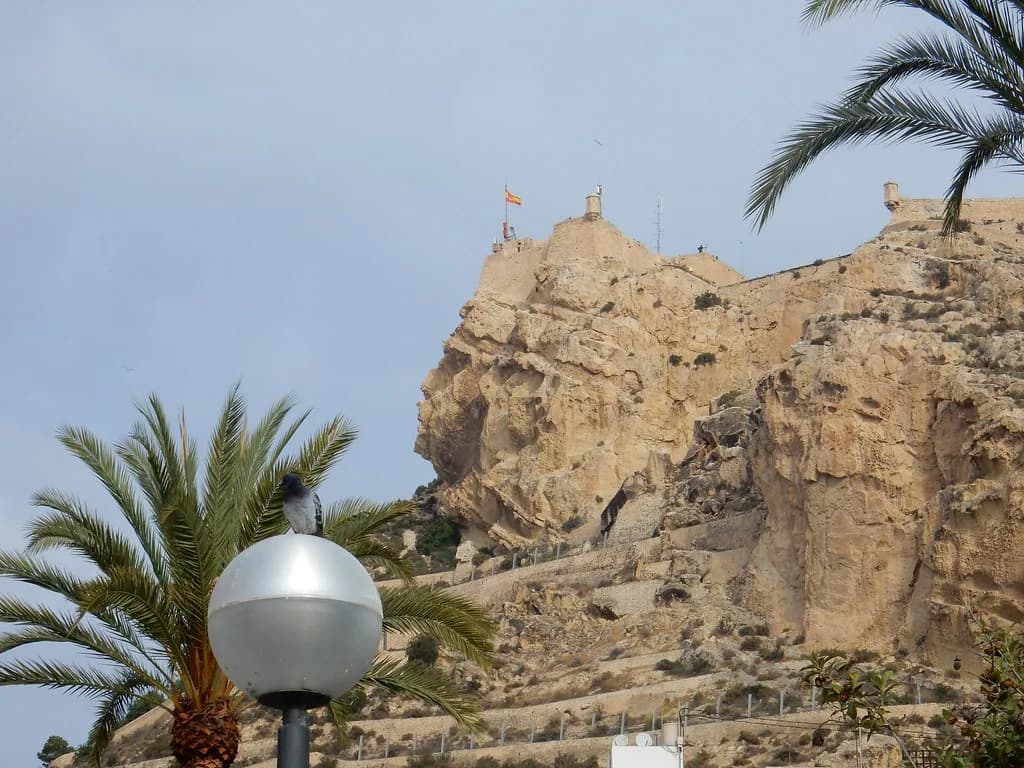
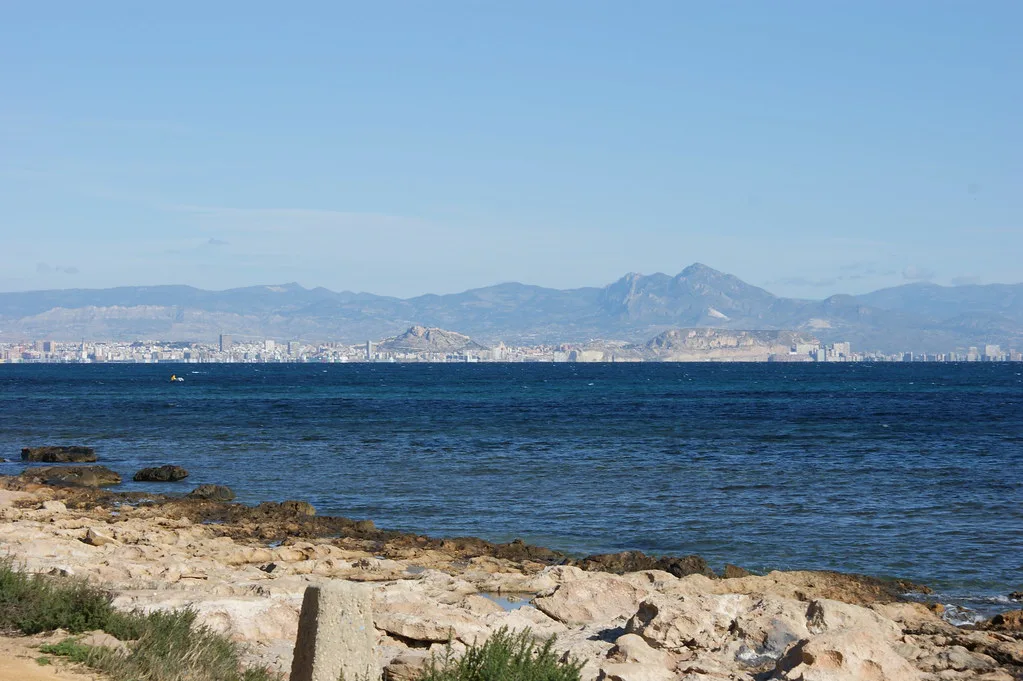
Mount Benacantil rises straight out of the city, and the fortress on top is the reason to climb it. Allow about an hour to walk up, and treat that as a walking estimate rather than a fixed schedule. The reward is a wide view over the Mediterranean and the streets below from the castle walls.
The honest trade-off is exposure. The path is steep and there is little shade, so go early in the morning or late in the day and take more water than feels necessary. Wear shoes with grip rather than sandals. If you are in the city in high summer, check the Alicante in july guide for how the heat shapes a day before committing to a midday ascent.
Entry arrangements and any lift service change, so confirm the current position at the castle or through the city's visitor information before you set out. Do not build the day around an assumption about the lift; the walk is the reliable option.
Barrio de Santa Cruz: Tiled Streets Below the Castle
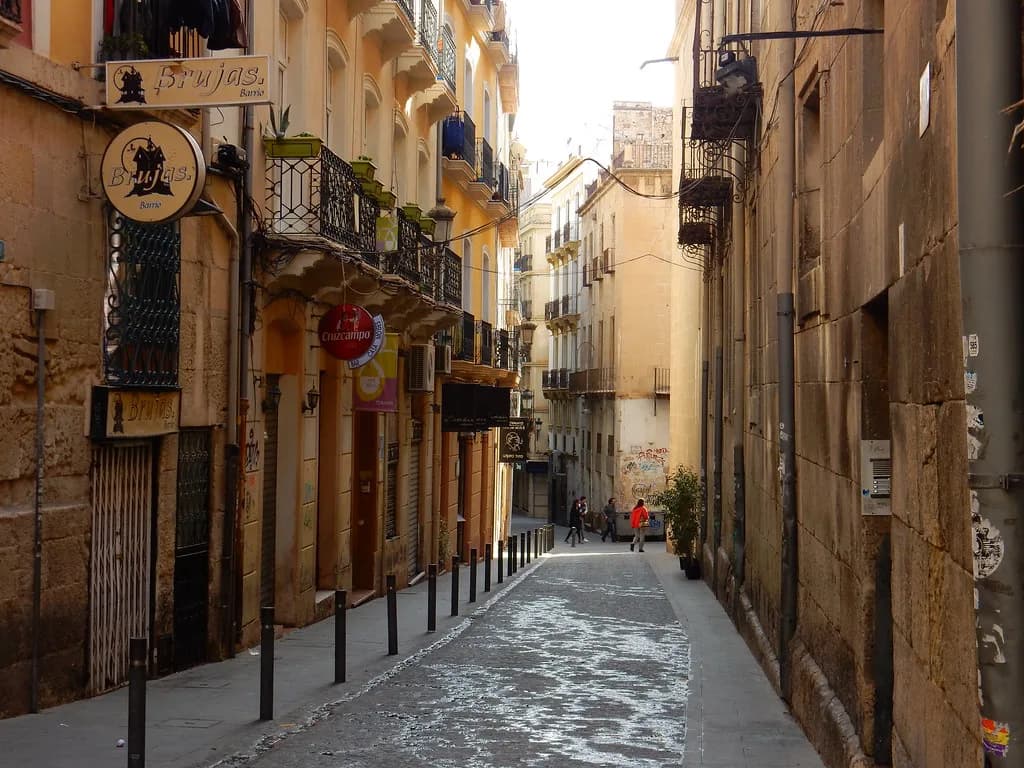
Barrio de Santa Cruz sits at the foot of Mount Benacantil, a compact grid of tightly packed houses decorated with flowers and tiles. It is the most photogenic quarter in the city and costs nothing to wander. Allow 45 minutes to an hour if you want to walk the lanes slowly and stop for photographs, less if you are passing through on the way down from the castle.
Go early for empty streets and softer light, since the lanes are narrow and busy later in the day. The neighbourhood is residential, so keep voices low and stay on the public lanes. It pairs naturally with the castle climb: up first, then down through Santa Cruz into the old town for lunch.
Castillo Sant Ferran Park: The Short Hill and Sunset Spot
Castillo Sant Ferran is a small hill park just north of the town centre, reached in about 15 minutes on foot. Old ruins of the fortification stand among greenery, and the top gives an open view across the city with Mount Benacantil in the background. Bring snacks and make it your sunset stop rather than a sight to rush through.
Because it is short and close to the centre, it fits easily at the end of a walking day when the castle has already taken your energy. The climb is a fraction of the Benacantil effort, which makes it a good alternative on a hot afternoon when the main castle feels like too much.
Mercado Central: Browsing the Stalls and Building a Picnic
Mercado Central is the city's main food market, with stalls selling fresh fruit and vegetables, local cheese, meat and other provisions. Wandering through costs nothing; the spending starts when you buy. It is the best-value place in the centre to put together a meal, and a market picnic will cost a fraction of a sit-down lunch.
Use it the Spanish way: buy bread, cheese, cured meat and fruit in the morning and eat half at midday, saving a proper dinner for the evening. Lunch in Spain runs roughly 1:30pm to 4pm and dinner starts around 8:30pm to 9pm, so a market picnic bridges the gap without tying you to restaurant hours. Check the market's current trading days before you rely on it, since Spanish markets commonly close on one weekday.
Playa del Postiguet: The City Beach
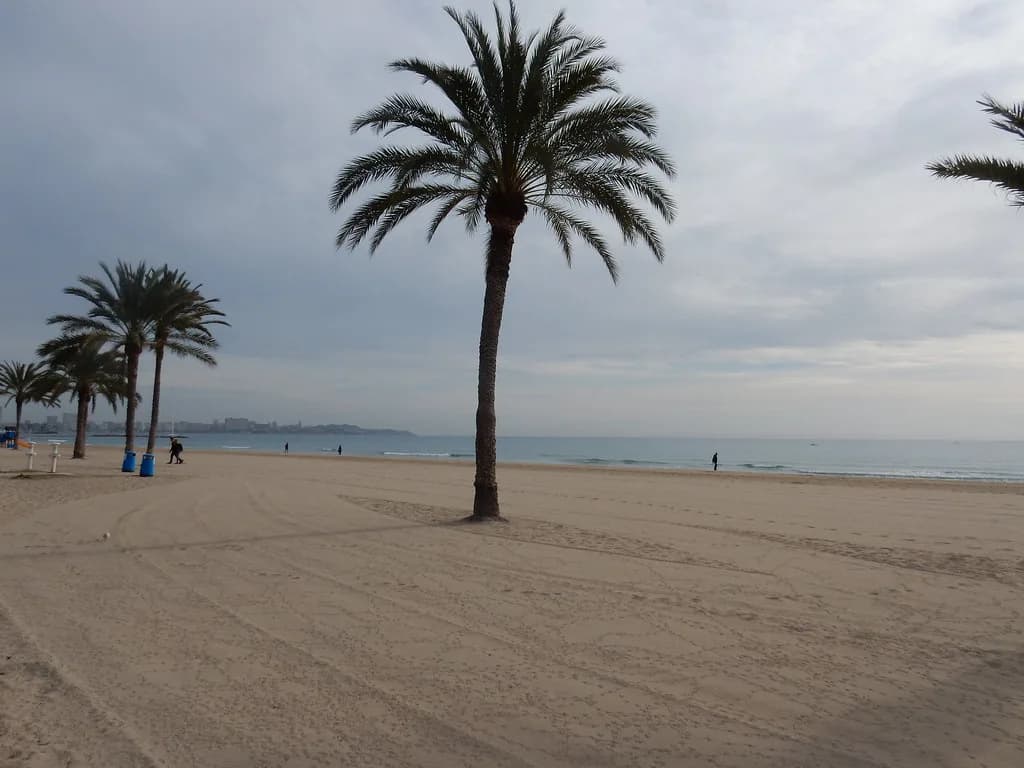
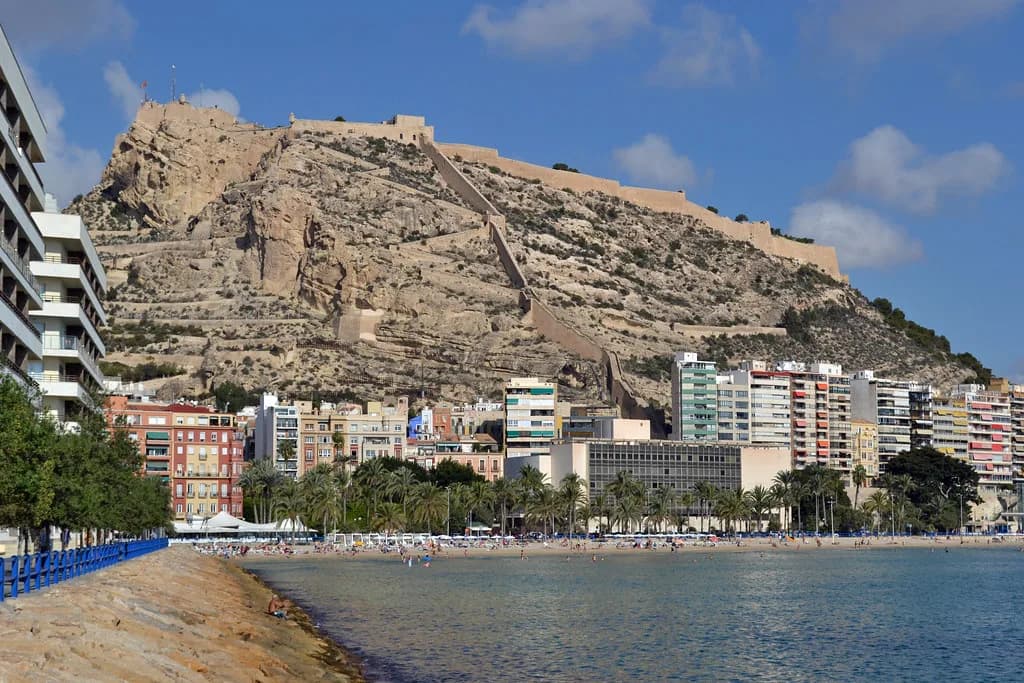
Playa del Postiguet is the main beach right beside the city centre, with Mount Benacantil rising behind it. It works for a daytime swim or an evening walk to watch the sunset, and it costs nothing to use. Because it is the central beach, expect it to be busiest in the middle of a summer day.
Swim early or late to avoid the crush, and treat the beach as a pause in the walking day rather than a separate trip. If your dates land in the shoulder season, the Alicante in september notes cover how the city shifts once the peak crowds thin out. Bring your own water and shade; the sand offers little cover.
Harbour and Explanada: A Flat Walk With the City Behind You
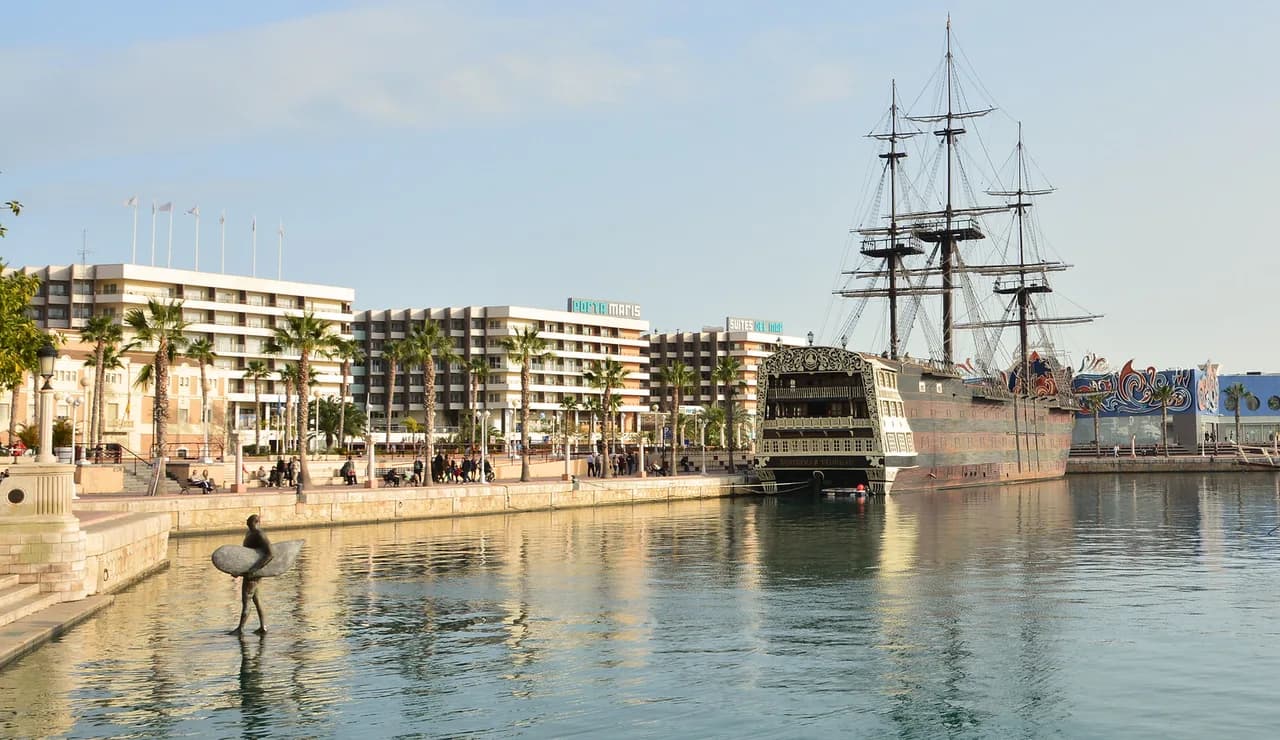
The harbour is lined with boats, and walking out along the pier gives you a view back towards the city skyline. It is flat, free and a good low-effort hour when your legs are tired from the castle. The Passeig Esplanada d'Espanya, the palm-lined promenade through the centre, links naturally with the harbour and gives you a shaded route between the old town and the water.
This is the section to use when you need a break between sights, or as an evening stroll after dinner. It is also the easiest part of the day to do with children or anyone who finds the castle climb hard going.
The Churches: Santa María, San Nicolás and San Roque
Alicante's churches are worth a look for their architecture, and three names come up consistently: Basílica de Santa María, Concatedral de San Nicolás and Ermita de San Roque. They sit within the historic centre, so you can fold them into a walk between the market and the old town rather than treating them as a separate outing.
Dress and behaviour rules at Spanish churches are conventional: cover shoulders, keep voices down and do not walk through during a service. If a church is closed when you arrive, move on rather than waiting; the old town lanes around them are the point as much as the interiors.
How to Fit It All Into One Day on Foot
Start with the castle in the cool of the morning, allowing about an hour for the climb. Come down through Barrio de Santa Cruz, then head to Mercado Central before the lunch peak to buy picnic supplies. Eat near the harbour or the Explanada, walk the pier, and save the beach and Castillo Sant Ferran for late afternoon and sunset.
Everything on this route is walkable and none of it requires public transport or a rental car. That is what makes Alicante unusually good value for a city break: the geography does the work. If you have a second day, spread the beach and the churches across it rather than cramming them into the first.
Free Versus Paid Nearby: Where Your Euros Are Better Spent
The free sights cover the essentials, so spend money on food rather than on more attractions. A market picnic at midday and one proper dinner in the evening gives you a better day than three mediocre restaurant meals. Spanish dinner service begins around 8:30pm to 9pm, so plan an early evening walk rather than an early table.
If you are comparing this trip with other Spanish islands and coasts, the same approach works elsewhere: free things to do in lanzarote covers volcanic landscapes and walking routes that cost nothing. The principle is the same, which is to build the day around what the place gives you for free and pay for the meal that matters.
Practical Notes: Heat, Water and Spanish Meal Times
Summer in Alicante is hot, and the castle path is exposed, so carry at least a litre of water per person and refill before you climb. A hat and high-factor sunscreen are not optional between June and September. Walking shoes beat flip-flops on the castle route even though the beach is minutes away.
Build the day around Spanish hours: a market picnic at midday, a siesta or beach pause in the early afternoon and dinner from about 8:30pm. Shops and some sights keep shorter afternoon hours, so front-load the walking and leave the browsing for later. Confirm current opening days for the market and the castle on arrival, since Spanish attractions commonly close one day a week.
October is a comfortable middle ground for walking, with the summer crowds gone. The Alicante in october notes cover what changes as the season turns, which helps if you are deciding whether to risk the heat or wait for milder weather.
Plan Your Visit
Alicante gives you a full day of walking, swimming and sightseeing for very little money, provided you start early and carry water. The castle is the centrepiece, Santa Cruz and the market fill the middle, and the beach and Sant Ferran hill close the day at sunset. Everything sits within walking distance, so no transport budget is needed.
Book a bed in the old town or near the Explanada if you want to do it all on foot, and leave a spare half-day in case the heat forces a slower pace. Check the castle's current access arrangements and the market's trading days locally before you go, then build the rest of the trip around how many days in alicante you can spare.
Explore more Alicante guides
Frequently Asked Questions
How long does it take to walk up to Castillo de Santa Bárbara?
Allow about an hour for the climb up Mount Benacantil on foot. The path is steep and has little shade, so start early in the morning or late in the day and carry more water than you think you need. Walking shoes with grip are a better choice than sandals for the ascent.
Is Castell de Santa Bárbara free to visit?
The castle is treated as one of Alicante's free sights, and the walk up costs nothing. Access arrangements and any lift service can change, so confirm the current position at the castle or through the city's visitor information before you set out. Do not plan the day around an assumption about the lift.
Can you see Alicante's free sights in one day on foot?
Yes. The castle, Barrio de Santa Cruz, Mercado Central, Playa del Postiguet, the harbour and the churches all sit within walking distance of the old town. Start with the castle climb in the morning, come down through Santa Cruz, buy picnic supplies at the market and finish with the beach and Castillo Sant Ferran at sunset.
What should I eat for a cheap lunch in Alicante?
Buy bread, cheese, cured meat and fruit at Mercado Central in the morning and eat a picnic instead of a sit-down lunch. Spanish lunch service runs roughly 1:30pm to 4pm and dinner starts around 8:30pm to 9pm, so a market picnic covers the middle of the day and leaves your budget for one proper dinner.
Sources
Notes for eating well in Spain
Optional updates to our guides.
You might also like
Continue reading
More guides you'll find useful