Girona in August: Weather, Crowds and What to Do
Girona in August is very warm and breezy, with highs near 29°C. Here is what the heat means for your days, plus sights, day trips and meal timing.
On this page
Girona in August is hot but rarely stifling: average daily highs sit around 29°C, nights fall to roughly 19°C, and the city generally feels very warm and breezy. That breeze matters, because it makes a morning on the city walls far more comfortable than the same walk at 3pm.
August is a less popular month for city stays than spring or early summer, so demand is softer than you might assume from the coast. Plan the day around heat rather than around a checklist: outdoors early, interiors and shade in the afternoon, dinner late.
What August Feels Like in Girona
Expect average highs of about 29°C and lows of about 19°C across the month, which is warm enough that midday walking through open squares saps energy quickly. The city is also breezy, so early mornings and evenings feel noticeably easier than the hours around lunch.
AccuWeather's day-by-day August outlook for Girona shows how much individual days vary, with some stretches running hotter than the monthly average and cooler days mixed in. Check it a few days before you travel to decide whether your long walking day belongs early or late in the trip.
Pack for heat with a light layer for breezy evenings and a refillable bottle you top up before leaving your accommodation. If you are weighing August against cooler months, september and girona in october both ease the afternoon heat while keeping the old town walkable.
How to Structure a Hot August Day
Start outdoors before the heat builds: walk the Muralles de Girona, the 9th-century city walls with walkways, towers and viewpoints over the rooftops, then drop into the old town while the streets are still shaded. The walls are exposed, so treat them as a morning or evening activity rather than a lunchtime one.
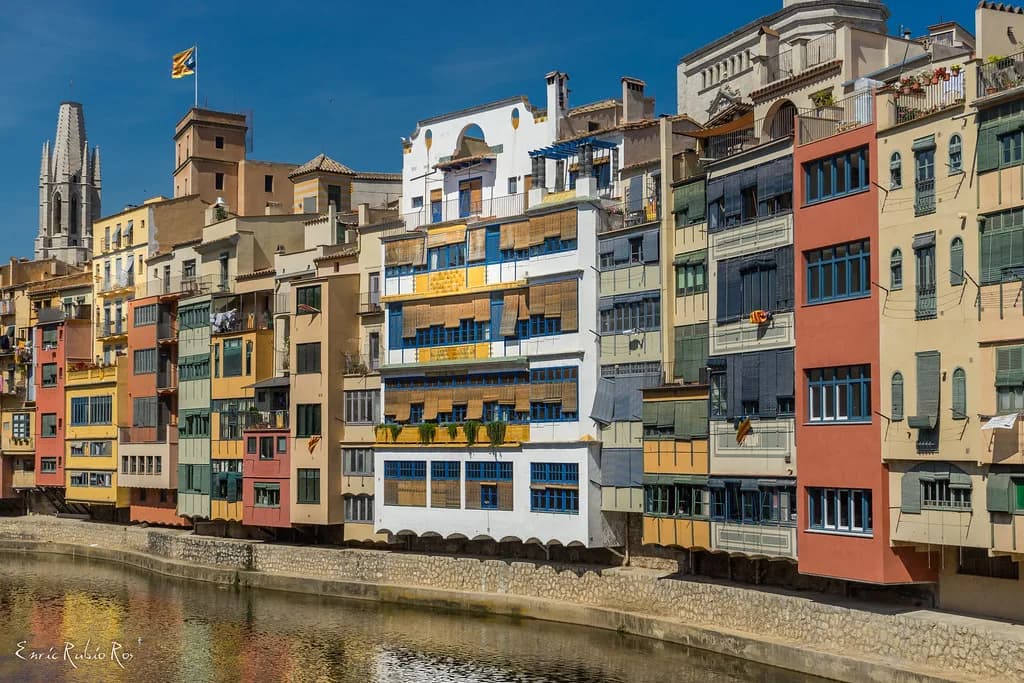
Keep the middle of the day for interiors and long lunches, then return outside for the riverside and bridges once the worst heat has gone. The Onyar river and the Pont de les Peixateries Velles, the iron bridge over it, are short stops that fit neatly into an evening wander rather than a dedicated block of time.
If you only have a day, one day in girona works best with three fixed points: walls early, cathedral mid-morning, museum or shaded lunch in the afternoon. For a fuller plan with timings and walking order, use a Girona Itinerary.
When to Eat in the August Heat
Spanish meal times do most of the work for you here. Lunch runs from about 1:30pm to 4pm and dinner starts around 8:30pm to 9pm, which puts the biggest meal inside the hottest part of the day and keeps you indoors when the sun is strongest.
That rhythm means a light breakfast, a proper lunch in the shade and a late dinner after a cooler evening walk. It also means you should not expect a full restaurant kitchen at 6pm; bridge the gap with a snack and accept that dinner will be late by UK habit.
City Sights Worth Your Morning
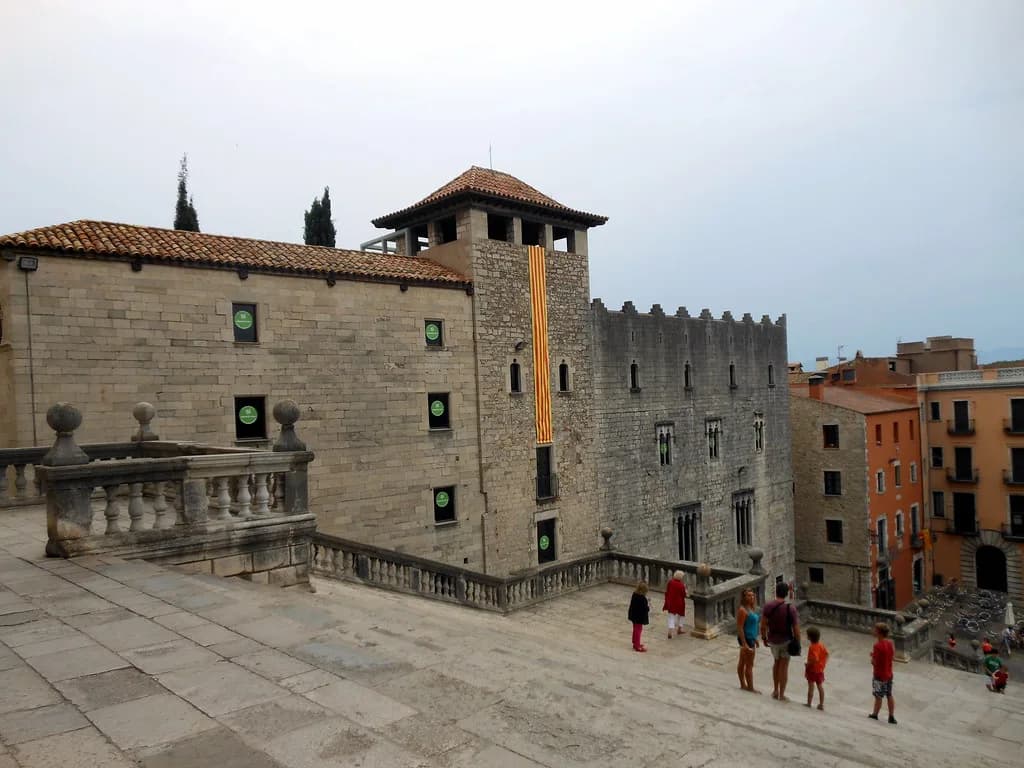
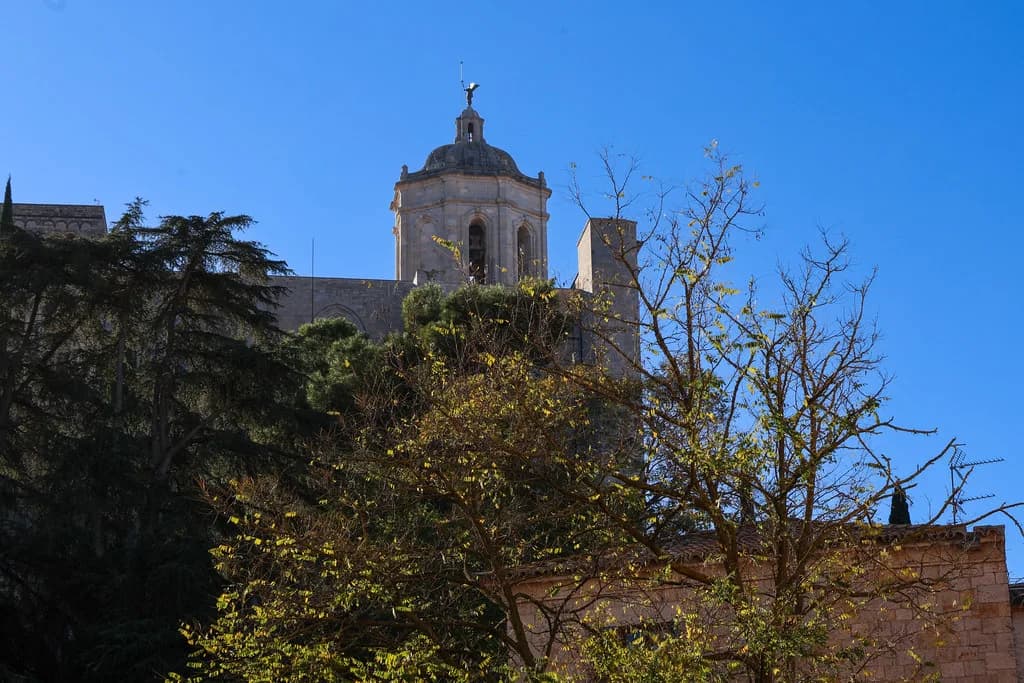
Girona Cathedral, in Romanesque and Gothic styles with a 22-metre-wide Gothic nave, is the natural anchor for a morning in the old town, and it sits close enough to the walls to pair the two. Go early, because the cathedral steps and surrounding lanes offer little shade later.
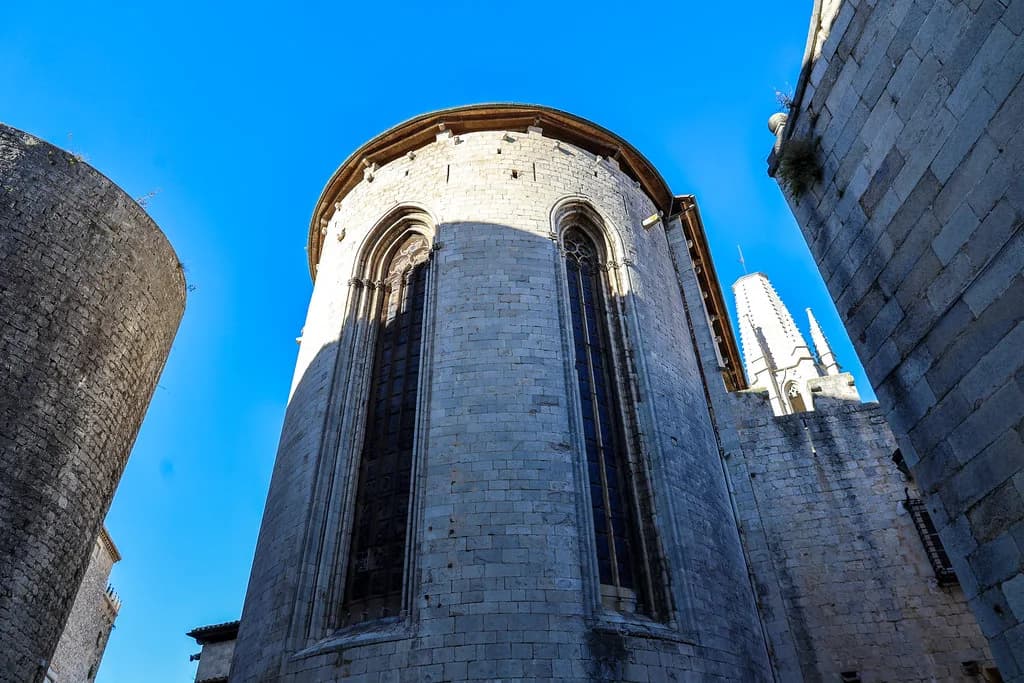
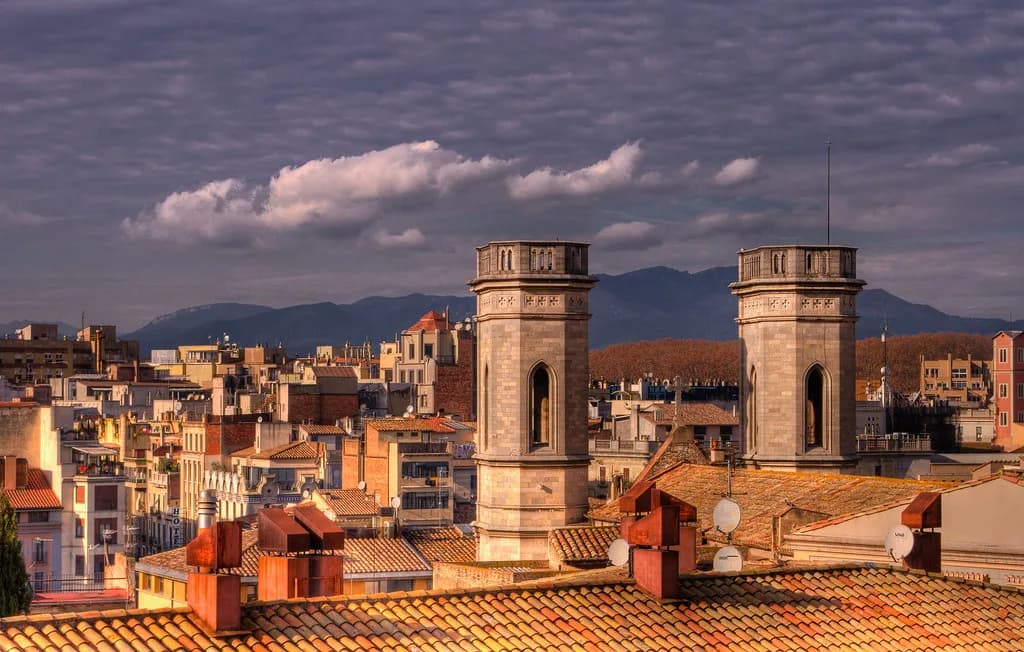
The Basílica de Sant Feliu, a church blending Romanesque, Gothic and Baroque elements with several sarcophagi, is a shorter stop that fits between the cathedral and the river. The Rambla de la Llibertat, the old town's main promenade, is a good place to pause for a coffee on the shaded side.
Rough outlines of each sight, with what is inside and how long it takes, are gathered in the Girona Attractions hub; use it to order your morning before you commit to a route.
Shade and Interiors for the Afternoon
The Museu d'Història dels Jueus covers Jewish history and culture from religious origins onwards, and it is the obvious afternoon choice when the Barri Vell is too hot to walk. The Museu del Cinema-Col·lecció Tomàs Mallol, with cinema artefacts from the 1800s to the 1970s, is a second indoor option that eats up a hot couple of hours.
Check opening days directly with each museum before you build an afternoon around it, since city museums commonly keep one closing day a week and August can shift things. Booking ahead is worth it for anything you would be disappointed to miss.
Market Morning at Parc de la Devesa
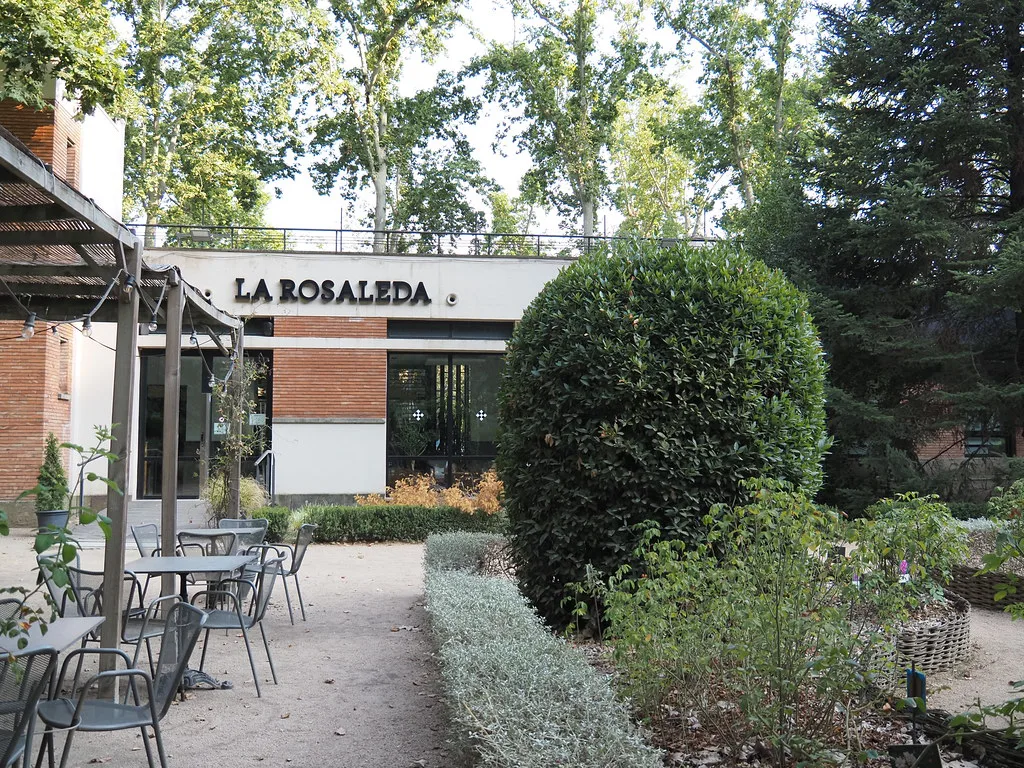
Parc de la Devesa, the city's large green space with trees, sports fields and picnic facilities, hosts a street market twice a week, which makes it a natural early-morning outing before the heat settles on the centre. It is a park first and a market second, so plan time under the trees as well as at the stalls.
For the indoor market hall in the centre and how it fits a shopping-and-snacking morning, see the guide to girona markets. If browsing is the point of the trip, shopping in girona covers the streets and covered options in one place.
Confirm the market days on the city's own listings before you set an alarm, as weekly schedules can move around public holidays.
Day Trip: Besalú and Its Romanesque Bridge
Besalú, a medieval town in the province of Girona, is defined by its well-preserved medieval architecture and a 12th-century Romanesque bridge that is the reason most people come. It rewards an early start: narrow cobbled streets and stone churches offer limited shade once the sun is high.
This is the best day trip if you want architecture and atmosphere rather than heat and hiking, and it pairs well with a late lunch back in Girona. Go on a weekday if you can, and leave before mid-morning to make the most of the cooler hours.
Day Trip: Dalí Theatre-Museum in Figueres
The Dalí Theatre-Museum in Figueres holds the largest collection of Salvador Dalí's works, and the building itself was designed by him, so the visit is as much about the rooms as the art. It is a strong choice for a very hot day because you spend the worst hours indoors.
Book a timed entry in advance and check the museum's own site for its August timetable before fixing your train or bus. Figueres is straightforward to reach from Girona, so it works as a half-day rather than a full one.
Day Trip: Garrotxa Volcanic Zone Natural Park
The Garrotxa Volcanic Zone Natural Park, with more than 40 volcanic cones and lava flows, is the pick for walkers who want landscape rather than crowds. Trails and viewpoints are exposed, so start early, carry water and treat the middle of the day as rest time.
For a lower-effort alternative with water and shade, the Lake of Banyoles, a former Olympic rowing venue with hiking and boating, is a gentler half-day. Either way, check trail conditions and transport locally the day before.
Coast Option: Camino de Ronda and Costa Brava Beaches
The Camino de Ronda is a coastal path along the Costa Brava with views over the Mediterranean and the rocky shoreline, and it makes a good change of scene from the city's stone lanes. Sections are exposed, so walk early, take water and turn back before the afternoon heat peaks.
Costa Brava beaches, with clear water and sheltered coves, are the obvious reward after a morning on the path. If you want an August beach trip rather than a city one, compare it with alicante in august or ibiza in august before committing, since both have their own August character, and fuerteventura in august shows how a Canary Island August differs.
What the 15 August Holiday Changes
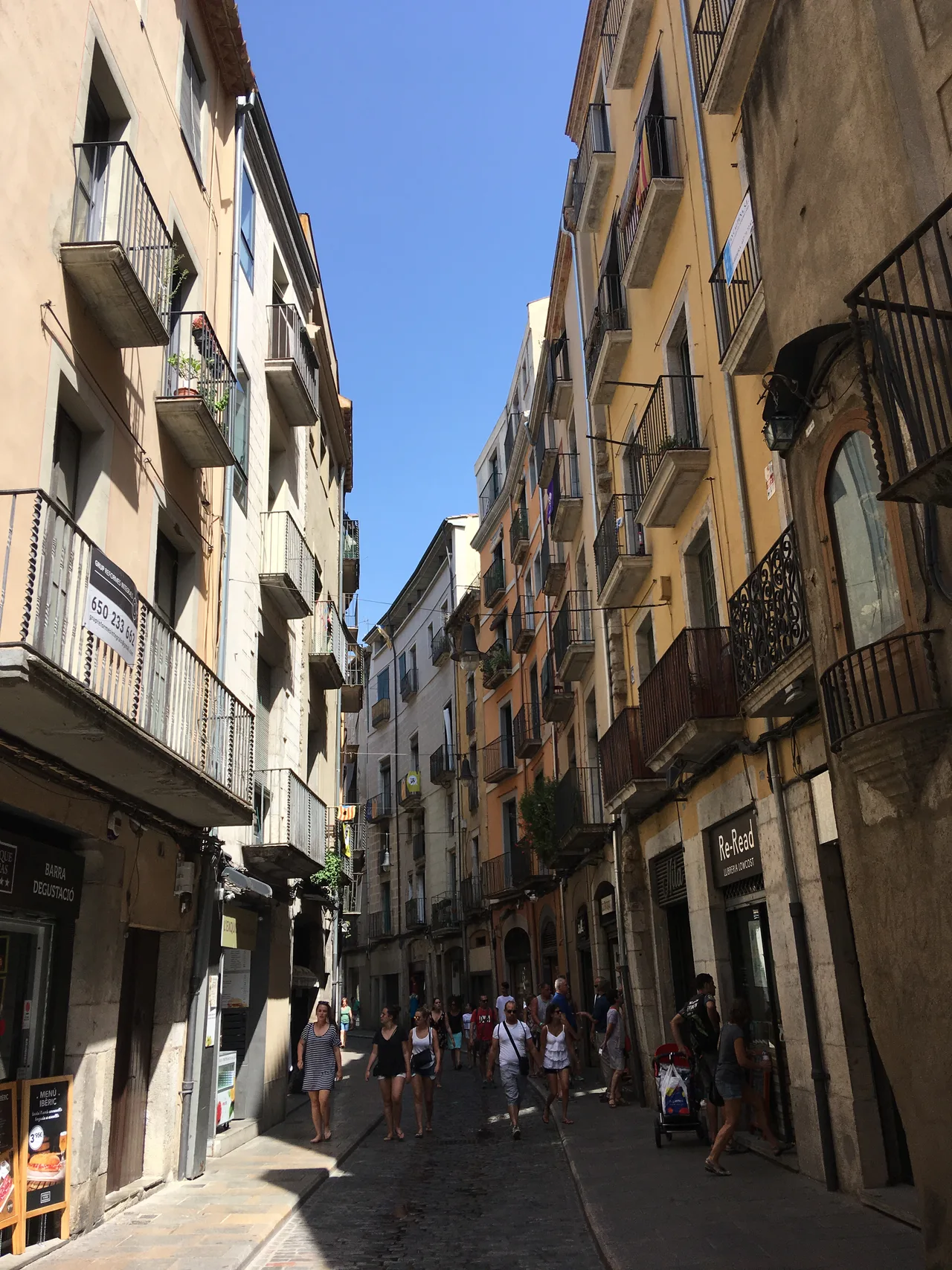
Assumption of Mary falls on 15 August and is a public holiday in Girona, so treat that date as a fixed constraint when you book. Plan that day around what is actually open rather than a normal weekday pattern, and check current opening hours with the Girona tourism office before you travel.
In practice, that means checking museum and attraction pages for the holiday before locking in your itinerary, and keeping a flexible indoor option in reserve. Book any timed entry for the days either side instead of on the holiday itself.
How Many Days You Need
Two full days covers the city comfortably at August pace: one morning on the walls and in the cathedral, one afternoon in museums, and an evening on the bridges. Add a third day for a single day trip, choosing between Besalú, Figueres, Garrotxa and the coast rather than trying to combine them.
If your dates are fixed around late summer, compare girona in july and girona in september for how the heat and demand shift either side of August.
Practical Packing for a Very Warm, Breezy Month
Pack light, breathable clothing, a hat and sunglasses, plus a thin layer for breezy evenings when temperatures drop towards 19°C. Comfortable shoes matter more than style, because the old town's cobbles and the walls' slopes punish thin soles.
Reusable water bottles, a small towel and sun cream earn their place in the bag, and a light rain shell covers the occasional shower. Keep valuables zipped away in the busier parts of the Barri Vell and around the bridges.
Plan Your August Trip
August in Girona rewards a slower plan: outdoors early, indoors at midday, dinner late and one day trip rather than three. The heat is real but manageable, and the breeze plus long evenings make the city pleasant once the sun drops.
Confirm museum days and holiday opening before you travel, and check the forecast in the final week to decide which day gets the walls and which gets the coast.
Frequently Asked Questions
Is Girona hot in August?
Yes. Average daily highs are around 29°C and lows about 19°C, and the city usually feels very warm and breezy. Some days run hotter than the monthly average, so check the daily outlook before planning a long walk.
Is Girona a good holiday destination in August?
It works well if you plan around the heat. Mornings suit the walls, cathedral and old town, afternoons suit the Jewish history and cinema museums, and evenings suit the river and bridges. August is also a less popular month for city visits than spring or early summer.
How many days in Girona is enough in August?
Two full days covers the city at a comfortable August pace, with one day added for a single trip to Besalú, Figueres, the Garrotxa park or the Costa Brava. Trying to fit several day trips into a short stay leaves little time for the city itself.
What is there to do in Girona in August?
Walk the Muralles de Girona and visit the cathedral early, then move indoors to the Museu d'Història dels Jueus or the Museu del Cinema. Evenings are for the Onyar bridges and the Rambla de la Llibertat, and the Parc de la Devesa market makes a good early outing.
What day trips can you do from Girona in August?
Besalú for medieval streets and its 12th-century Romanesque bridge, Figueres for the Dalí Theatre-Museum, the Garrotxa Volcanic Zone Natural Park for trails and volcanic cones, or the Camino de Ronda and Costa Brava beaches. Lake of Banyoles is a gentler alternative with water and shade.
What public holidays fall in August in Girona?
Assumption of Mary on 15 August is the main August public holiday. Museums and attractions may keep holiday hours that day, so keep a flexible indoor option in reserve.
What should I pack for Girona in August?
Light breathable clothing, a hat, sunglasses, comfortable shoes for cobbles and a thin layer for breezy evenings near 19°C. Add a refillable water bottle, sun cream and a light rain shell for the occasional shower.
Sources
Notes for eating well in Spain
Optional updates to our guides.
You might also like
Continue reading
More guides you'll find useful