How Many Days in Fuerteventura? 2, 3 or 4-Night Plans
Fuerteventura works in two days for Corralejo and the dunes, with a third for Jandía and a fourth for Isla de Lobos. Here is what fits each day.
On this page
Two full days are enough for a first trip to Fuerteventura if you pick one corner and stay put. Three days lets you add the south, with Jandía Natural Park and Morro Jable. Four gives you room for Isla de Lobos and a slower pace, and a week suits walkers and anyone who wants both coasts without rushing.
The island pulls in two directions. Corralejo and the dunes anchor the north, Morro Jable and the long beaches anchor the south, and the drive between them eats a chunk of any short break. Deciding your base first is the single biggest planning decision, and it shapes everything from dinner timing to how much you actually see.
How many days in Fuerteventura: the short answer
Give Fuerteventura two days for Corralejo, the dunes and El Cotillo, three if you want Jandía and Morro Jable as well, and four if Isla de Lobos appeals. Anyone planning to hike Pico de la Zarza or split the trip between north and south should budget five or more. The same counting exercise works for other city breaks, so it helps to compare how many days in Alicante you actually need before committing. The island rewards slow days more than ticked-off stops.
That answer assumes a rental car. Fuerteventura's highlights sit far apart, and a self-drive setup is the norm: a six-day Fuerteventura and Lanzarote route is built around collecting a car at the airport and driving to the northwest coast on arrival. Without wheels, you are limited to tours and the towns you base in.
What you can realistically cover in two days
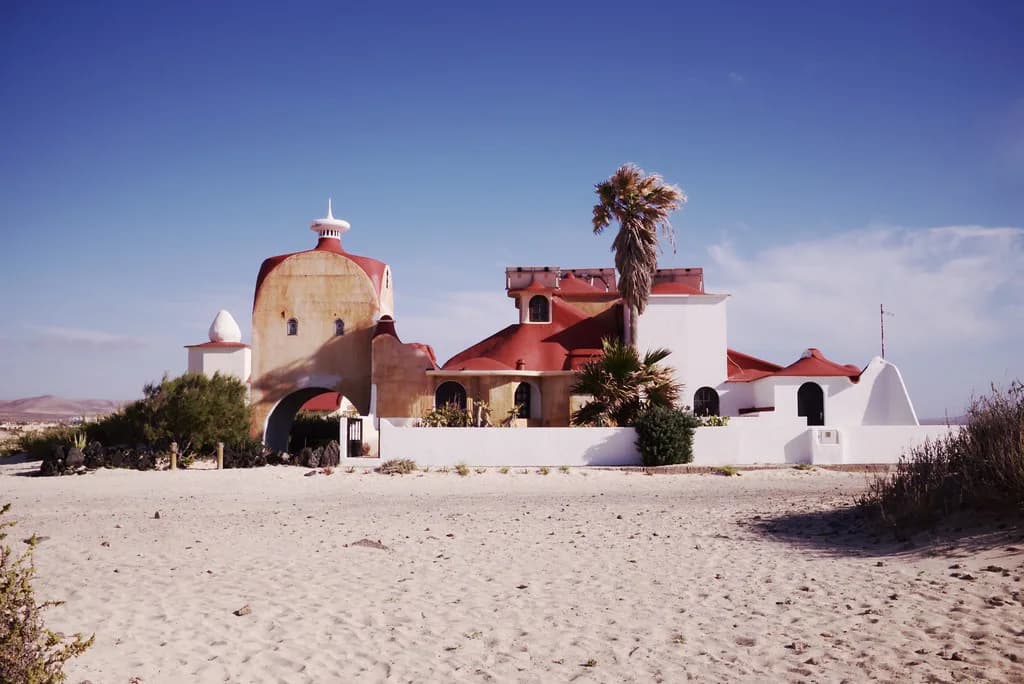
A two-day itinerary in Fuerteventura that works starts in the north. Day one takes in El Cotillo's old centre, the fortress of El Tostón and Playa del Castillo, then moves to Corralejo for the evening and seafood near the port. Day two heads inland to Betancuria, the island's old capital, with its church and rural park, and finishes at the dunes.
A guided version of that shape runs from Corralejo through an aloe vera plantation and past the sacred mountain of Tindaya to a traditional farm for goat cheese and Canarian produce, then on to Betancuria and the Valle de Santa Inés for lunch, ending at the dunes of Corralejo. It packs a lot into one day, which tells you how much ground the island covers.
Treat two days as a taste of the north rather than the whole island. You will not reach Jandía, and you should not try: the southern park deserves its own day. If your flight lands late and leaves early, two nights gives you barely one full day, so add a night or accept that you are seeing Corralejo and little else.
Where to base yourself: Corralejo in the north versus Morro Jable in the south
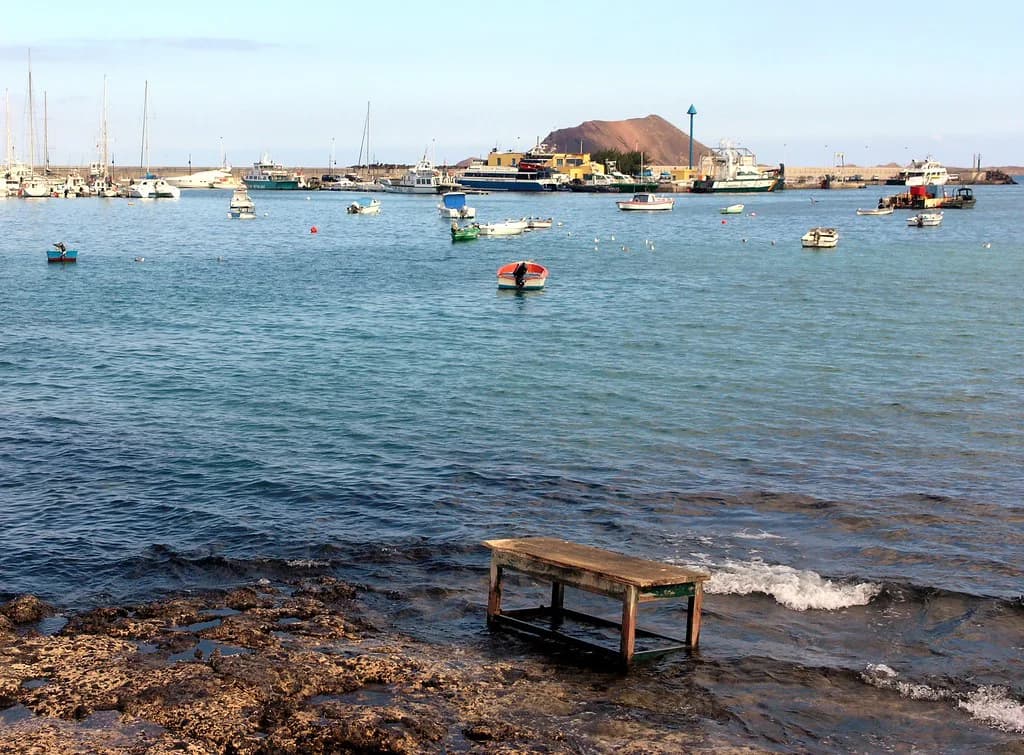
Corralejo is the better base for a short trip. The fishing village sits beside the dune field and the natural park, the airport run is straightforward, and El Cotillo and Betancuria are day-trip distance. Evenings are easy, with restaurants and cafés near the port where you can eat local seafood after a day in the sand.
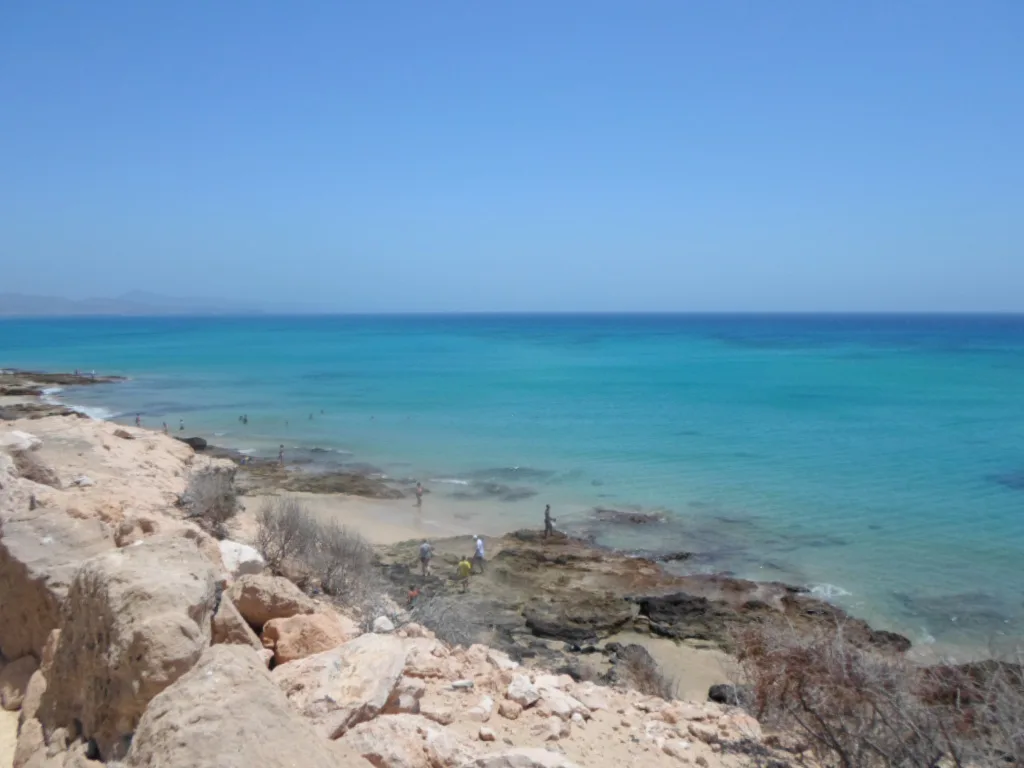
Morro Jable suits a beach-led week. It has one of the largest beaches on the island, turquoise water and a string of seaside places to eat, and it puts Jandía Natural Park on your doorstep. The trade-off is distance from the northern sights: choose the south and you commit to the long drive north or skip Corralejo's dunes entirely. Splitting three or four nights between the two is possible but costs you half a day in transit.
For a wider look at how the resorts and towns compare before you commit, the full guide to things to do in Fuerteventura lays out the options by area. It is worth reading before you book accommodation, because changing base mid-trip is the most common way short breaks lose a day.
Day one: El Cotillo, Corralejo and the dunes
Start in El Cotillo, where the maze of streets around the centre leads to the hermitage of Nuestra Señora del Buen Viaje and the seventeenth-century fortress known as El Tostón. The village's largest beach is Playa del Castillo, and the coves of the northern beaches, La Concha in particular, are good for swimming. It is a gentle morning rather than a sightseeing sprint.
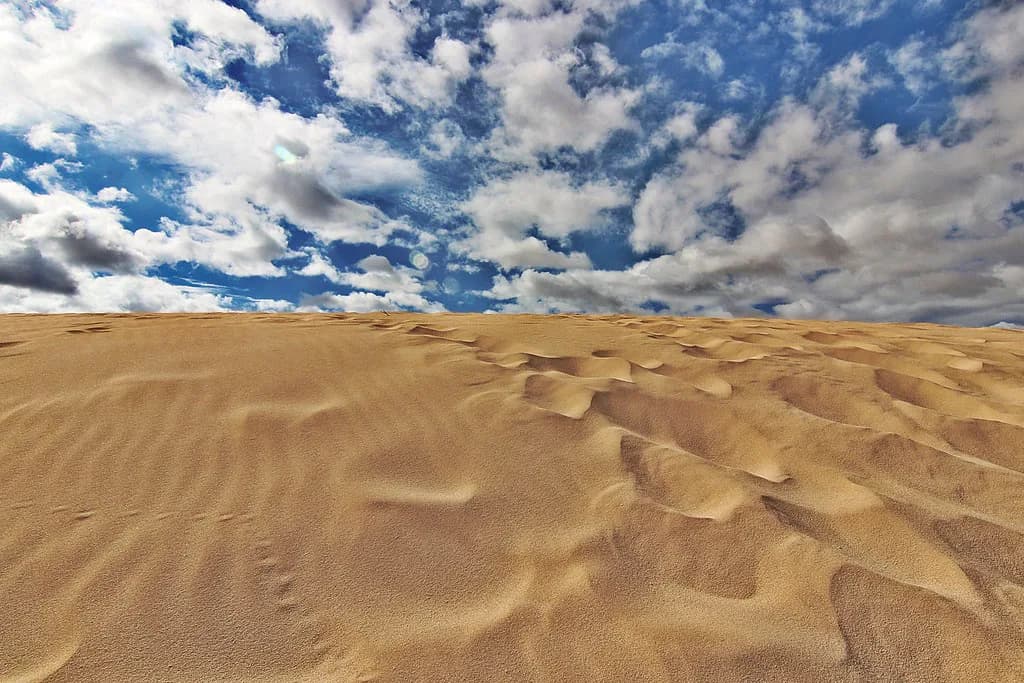
Move on to Corralejo in the afternoon and give the dunes proper time. The Corralejo Nature Reserve runs from Puerto Remedio beach to the peninsula of La Salina, a long dune field with protected and endemic species. Camel rides run along the beach and through the park on a short option, or up to the top of Roja Mountain on the longer one, always with trained guides.
Eat late and eat near the port. Spanish dinner service starts around 8:30pm, so a post-dune shower and a slow drink before food is the local rhythm rather than a delay. If you have a dune day planned, checking sunset time for your month matters more than any restaurant booking.
Day two: Betancuria, the rural park and the goat cheese stop
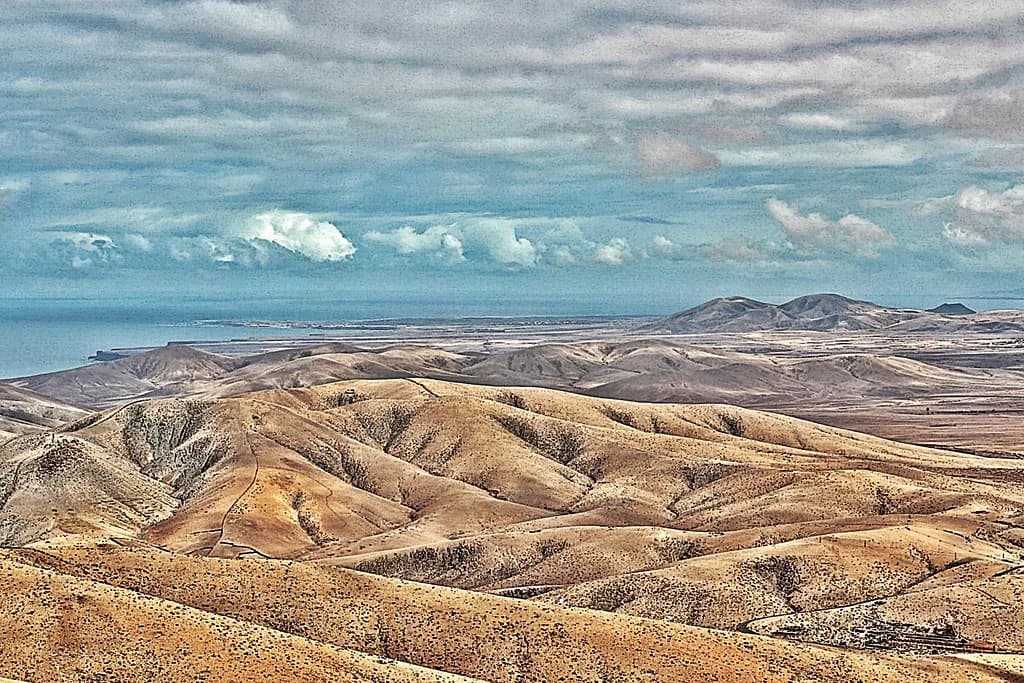
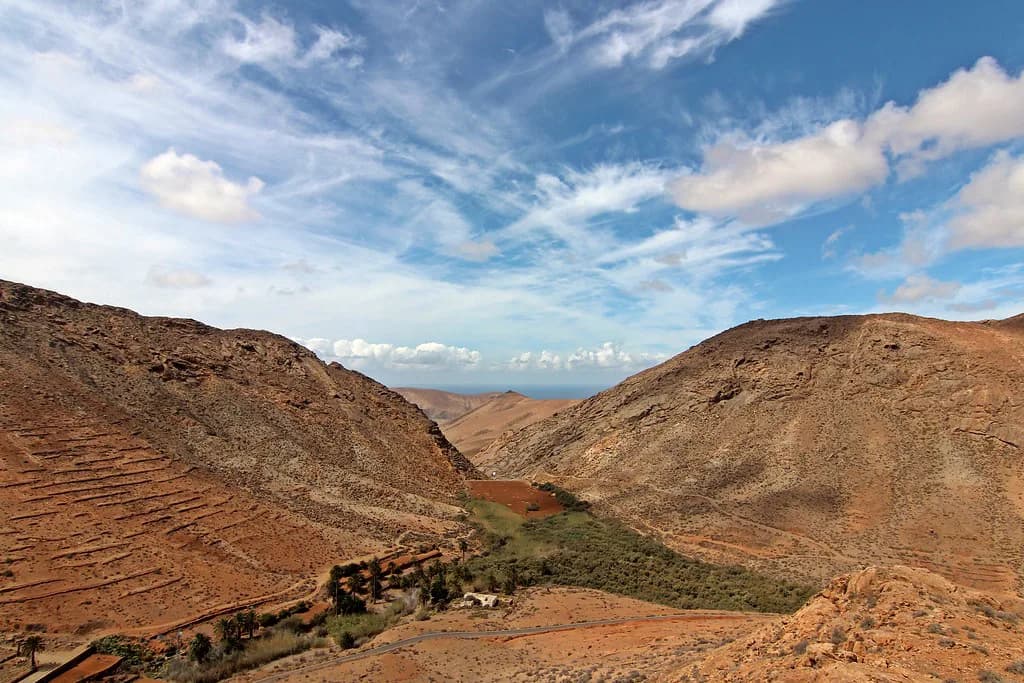
Head inland for the island's history. Betancuria was Fuerteventura's old capital and its most historic town, with the Church of Betancuria and streets worth walking slowly. From there the Betancuria Rural Park brings local fauna and a climb up the massif for views across the interior.
The classic lunch stop is the Valle de Santa Inés, where a traditional farm visit includes a tasting of the island's goat cheese and Canarian products. Goat cheese is one of Fuerteventura's genuine food staples, so treat the tasting as the day's food anchor and keep lunch simple afterwards. Book any farm visit in advance rather than turning up, and note the pickup point when you book.
You can see the outline of this inland day in a four-day Canary Islands itinerary that covers Fuerteventura and Lanzarote, useful if you plan to combine the two islands.
Finish back in the north or stay inland for a quiet evening. Spanish lunch runs from 1:30pm to 4pm, so a farm tasting around midday and a proper late lunch afterwards keeps the afternoon free for the drive back. If you only have two days, this inland loop is the one to keep and the beach time to trim.
Adding a third day: Jandía, Pico de la Zarza and Morro Jable
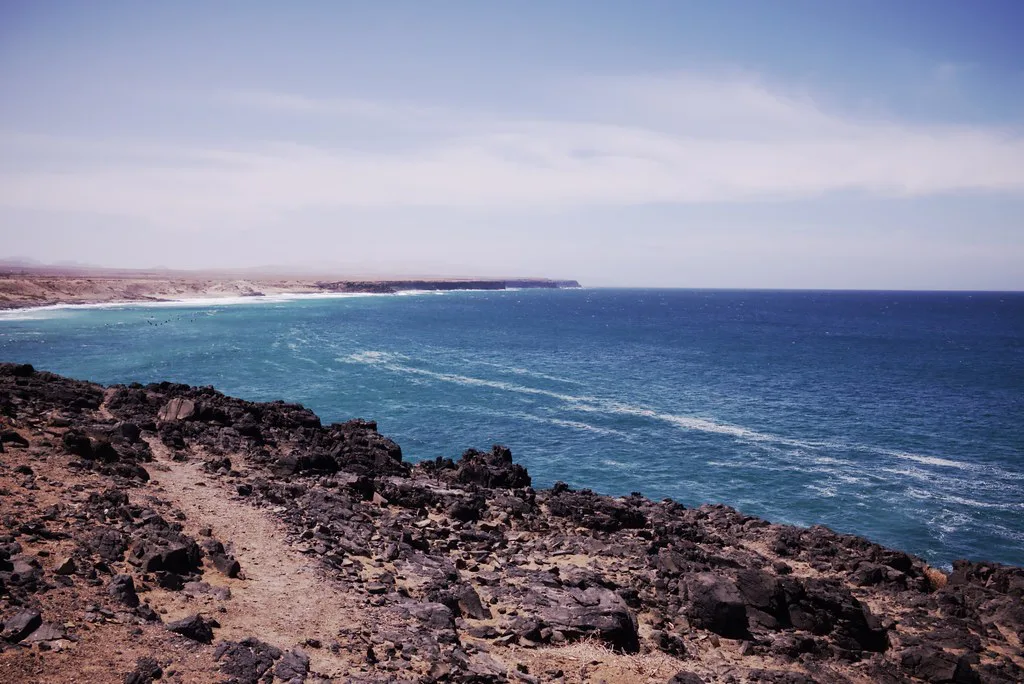
A third day belongs in the south. Jandía Natural Park, in the municipality of Pájara, has the island's best-known beaches and plenty of guided excursions if you would rather not plan your own route. Pico de la Zarza is the island's highest point at 807 m, and its southern slopes are the gentler approach, with hills, crests and valleys to walk.
That figure changes how you plan the day: this is a walking day, not a beach day. The lower park is worth time too, with kestrels, stonechats, Houbara bustards and Egyptian vultures among the birdlife, plus lizards, geckos and skinks. End in Morro Jable for a seaside dinner before driving back, or stay the night to avoid a late return.
If you would rather build your own version, the guide to an independent Fuerteventura itinerary sets out how to string the days together. Whatever you choose, a south day means an early start: leaving after a 1:30pm lunch leaves you no time on the trails.
Adding a fourth day: Isla de Lobos and a slower pace
Isla de Lobos is an uninhabited island of virgin beaches and turquoise water off the north coast, popular with divers, surfers and anglers for its marine life. It deserves its own day rather than being squeezed onto a dune afternoon. Book boat crossings and any landing restrictions in advance, and take everything you need for the day with you.
A fourth day also lets you slow down. Spend the morning in Corralejo with coffee and a walk, then take a long lunch and leave the afternoon empty. That is when Fuerteventura starts to feel like a holiday rather than an itinerary, and it is the version most people remember.
For a full picture of what the island offers by area, the Fuerteventura Attractions hub gathers the individual guides in one place.
Pair the extra day with a month check before you book flights: weather and crowds swing between seasons, and the guide to Fuerteventura in July explains how the summer heat shapes walking and beach time.
Who should stay longer, and who should move on
Stay longer if you walk, surf or dive. Pico de la Zarza rewards a full day, and the marine life around Isla de Lobos and the north coast suits anyone with snorkelling or diving kit. A five- to seven-night trip lets you keep both a north and a south base without losing a day to the transfer.
Move on sooner if you are island-hopping. Ferries link Fuerteventura with Lanzarote, and Playa Blanca makes an easy next hub for cave systems such as Cueva de los Verdes and Cueva de los Jameos del Agua, plus Timanfaya National Park and its lava fields. Two or three nights on Fuerteventura before crossing is a sensible split for a two-island week, and it is the reason plenty of travellers deliberately keep Fuerteventura short.
Getting around: the rental car case and driving times
Fuerteventura is a drive-everywhere island. The north to south run between Corralejo and Morro Jable is the single longest journey you will make, and it turns a two-base trip into a half-day of travel. Group your days geographically: north and inland first, south second, and Isla de Lobos last if you are flying home from the north.
A car also frees you from tour timings. The alternative, a coach tour from Corralejo, covers the aloe plantation, Tindaya, the farm tasting, Betancuria and the dunes in one push, and LCT Europe lists that Fuerteventura Grand Tour at 65 €. It is efficient if you have one day and no car, less so if you want to stop for photographs whenever the landscape demands it. Check current prices and departure times with LCT Europe before booking.
Fuel up and stock water before heading into the rural park or Jandía; services thin out quickly once you leave the towns. If you are combining shopping with driving days, the guide to shopping in Fuerteventura covers where the practical stops are.
When to go and how meal times shape your day
Spanish meal times do more to your Fuerteventura schedule than any opening hour. Lunch runs from 1:30pm to 4pm and dinner from 8:30pm, so a long lunch can swallow the afternoon you had earmarked for driving. Eat earlier and lighter on excursion days, and save the slow lunch for a beach day.
Autumn is a strong compromise for walkers and swimmers, and the guide to Fuerteventura in October covers what that month is like in practice. If you want the island's busiest stretch, the guide to Fuerteventura in August sets out what to expect, and September is covered in the guide to Fuerteventura in September for anyone weighing a shoulder-season trip.
Book accommodation in Corralejo or Morro Jable before you fix the day plan, because the base decides the itinerary. Then work backwards: two nights for the northern loop, three if you want Jandía, four if Isla de Lobos is on the list.
Common planning mistakes
The biggest is trying to see both coasts in two days. The drive between north and south is long enough that a rushed version gives you two half-days and a lot of road. Pick one base, go deeper, and accept that the other end of the island waits for next time.
The second is treating Pico de la Zarza as a quick photo stop. At 807 m it is a proper walk, and the southern slopes suit a half-day at least. The third is skipping Isla de Lobos because it looks like a beach add-on; it is a separate boat trip and a separate day.
Finally, leave slack for the ferry decision. If Lanzarote is on your list, build the crossing into the plan rather than squeezing it into the last afternoon, and book the rental car for the days you actually need it rather than the whole trip.
Where to eat: seafood by the port and Canarian staples
Corralejo's port area is the obvious dinner stop after a dune day, with restaurants and cafés serving local seafood. El Cotillo is the other reliable option, and its centre has enough choice for a post-beach meal. Goat cheese from the island's farms is the food to seek out inland, and the farm tastings around Betancuria and the Valle de Santa Inés are the easiest way to try it.
For a broader shortlist before you go, the guide to the best restaurants in Fuerteventura covers where to eat by area.
If tapas is the priority, the guide to the best tapas in Fuerteventura is the place to start.
Book nothing for lunch on excursion days and keep the evening free instead. Spanish kitchens run late, so a dune sunset followed by a 9pm table is a normal Fuerteventura evening rather than a compromise.
Plan Your Visit
Fuerteventura condenses well into two days if you stay north, and opens up properly at four. Corralejo and El Cotillo give you the dunes, the fortress and the beaches; Betancuria gives you the interior; Jandía and Morro Jable give you the walking and the long sand. Isla de Lobos is the day that turns a good short break into a proper holiday.
Fix your base first, then your days, then your car. That order saves more time than any packing list, and it keeps the north-south drive from eating a day you had planned for the beach.
Explore more Fuerteventura guides
Frequently Asked Questions
How many days do you need in Fuerteventura?
Two full days cover the north: El Cotillo, Corralejo and the dunes. Add a third day for Jandía Natural Park, Pico de la Zarza and Morro Jable, and a fourth for Isla de Lobos. Walkers and divers should plan five nights or more so they are not driving every day.
Is two days enough for Fuerteventura?
Yes, for a first taste of the north. You can see El Cotillo's old centre and fortress, the dunes of Corralejo and an inland loop through Betancuria and its rural park. You will not reach the south, so treat two days as one corner of the island done properly rather than the whole island.
Is three or four days better in Fuerteventura?
Three days adds the south, including Jandía Natural Park and Morro Jable, which is where the island's walking and its longest beaches are. Four days adds Isla de Lobos and enough slack to slow down. If you only have two days, stay north and skip the long transfer.
Should I stay in the north or south of Fuerteventura?
Corralejo in the north is the better base for short trips, with the dunes, natural park and El Cotillo within easy reach. Morro Jable in the south suits a beach-led week and puts Jandía on your doorstep. Pick one rather than splitting a short break, because the drive between them costs half a day.
Do I need a car in Fuerteventura?
A car makes the island work. Corralejo, El Cotillo, Betancuria and the southern parks are far apart, and self-drive is the standard way to link them. Without one, you rely on coach tours and whatever is walkable from your base.
What can you do in Fuerteventura in two days?
Day one: El Cotillo's centre, El Tostón fortress, Playa del Castillo and the coves at La Concha, then Corralejo for the dunes and a late dinner by the port. Day two: Betancuria and its church, the Betancuria Rural Park, a goat cheese tasting around the Valle de Santa Inés, and the dunes at sunset.
Is Isla de Lobos worth a day?
Yes, as a day of its own. The uninhabited island has virgin beaches, turquoise water and rich marine life that draws divers, surfers and anglers. Book boat crossings and landing arrangements in advance, and take supplies with you.
When is the best time to visit Fuerteventura?
It depends on what you want from the trip. Autumn suits walkers and swimmers, while summer is hot and busy. Read a month-by-month guide for the period you are considering before booking flights, and plan walking for the morning.
Sources
Notes for eating well in Spain
Optional updates to our guides.
You might also like
Continue reading
More guides you'll find useful