Girona in July: Weather, Crowds and What to Do
Girona in July brings 29°C highs and long evenings, so plan sightseeing for the morning and expect peak-season crowds in the old town.
On this page
Girona in July is hot, bright and busy: average daily highs of 29°C, lows around 19°C, and enough daylight to eat dinner while it is still light outside. Plan sightseeing for the morning, shade or a museum for the early afternoon, and the city walls or a terrace for the evening.
What July in Girona is actually like
July is peak season, not a quiet month. Temperatures in July and August regularly reach 30–33°C, and the old town is most congested between 11am and 4pm, so an early start is the single most useful decision you can make.
The shape of a good July day here follows the heat rather than a checklist. Do the walls and the cathedral first thing, retreat indoors or to the Costa Brava through the middle of the day, and come back out for the long evening. How many days in Girona you give the city determines whether there is room for a day trip or two.
July temperatures and what to pack
A typical July day in Girona ranges from an average low of 19°C to an average high of 29°C, and the month is generally very warm and breezy. Read those as averages for planning, not a forecast: check a short-range forecast for your own dates before you finalise what to pack.
Pack light, breathable clothing, a hat, sunglasses and a refillable water bottle, and build in a proper siesta or indoor pause rather than pushing through the hottest hours. Comfortable shoes matter more than a third outfit, because the best of Girona is walked on cobbles and up and down the walls.
Long evenings: sunset around 9:21pm and why it changes your dinner timing
July days in Girona run from sunrise around 6:26am to sunset around 9:21pm, with roughly 14.9 hours of daylight at the month's averages. That leaves a long, soft evening after the worst heat, which is exactly when the old town is at its best for a wander.
Spanish meal times do the rest of the work for you. Lunch is served roughly 1:30–4pm and dinner from about 8:30–9pm, so an early-evening walk followed by a late dinner fits the light rather than fighting it.
Crowds: July as peak season
July and August are the peak of the peak in Girona, so expect queues at the headline sights and slower going on the narrow streets of the old town. The 11am–4pm window is the crunch; shifting a museum visit or a long lunch into that slot buys you a calmer morning and evening.
If you want the city with fewer elbows, June or September suit many travellers better; August is hotter again and busier still. A Girona in September visit keeps much of the summer light with a gentler pace, which matters if your priority is walking the walls without a scrum.
Morning: the Muralles de Girona walk before the heat builds
The Muralles de Girona are the city's ninth-century walls, with walkways, towers and viewpoints over the rooftops and the surrounding countryside. Walk them first thing: there is little shade up there, and by late morning the stone starts throwing heat back at you.
After the walls, drop into the Barri Vell while the streets are still quiet. The old quarter rewards slow wandering, and doing it before the crowds arrive is a different experience from shuffling through it at 1pm.
Girona Cathedral and the 22m-wide Gothic nave
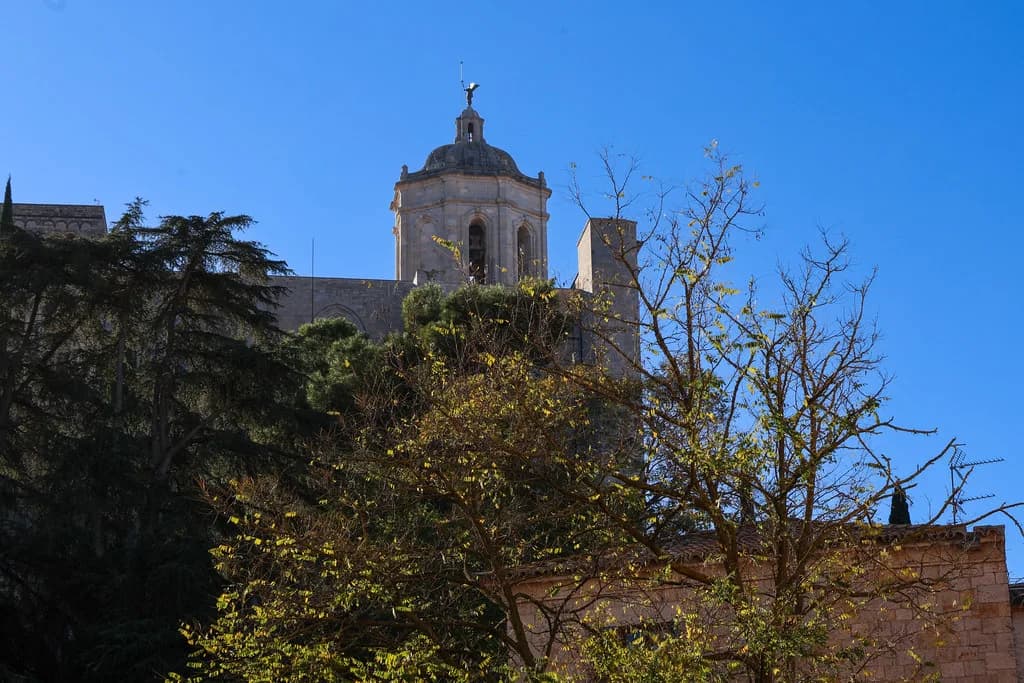
Girona Cathedral mixes Romanesque and Gothic styles and holds a Gothic nave a record-breaking 22 metres wide, which is the detail that stays with most visitors. Go early, both for the cooler air inside and to avoid the middle-of-the-day queue.
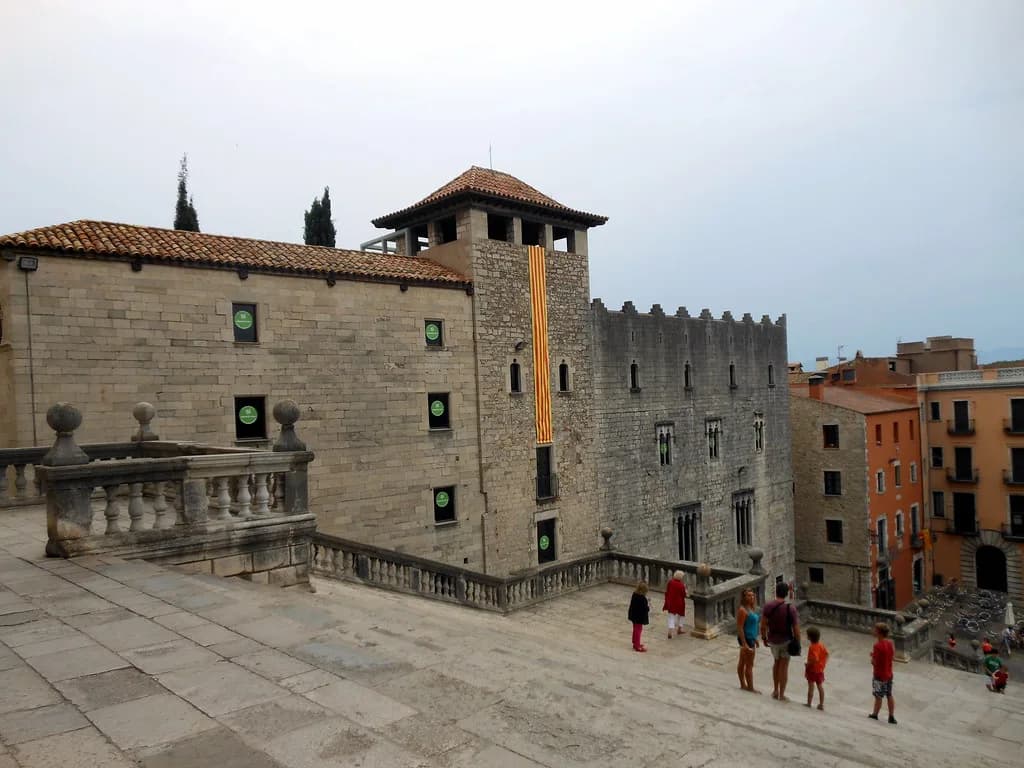
The cathedral sits high in the old town, so treat the approach as part of the visit and climb the steps before the sun is fully on them. Pair it with the walls in one morning rather than splitting your early starts across two days.
The Jewish history museum and the old town's Jewish quarter
The Museu d'Història dels Jueus covers Jewish history from its origins through to culture, with exhibits and a gift shop, and it sits within the old town's historic Jewish quarter. This is a natural indoor stop for the hot middle of the day, when the streets outside are at their busiest.
Check the museum's own page or the tourist office for current opening days and ticket details before you build the day around it, then slot it in around your lunch booking rather than the other way round.
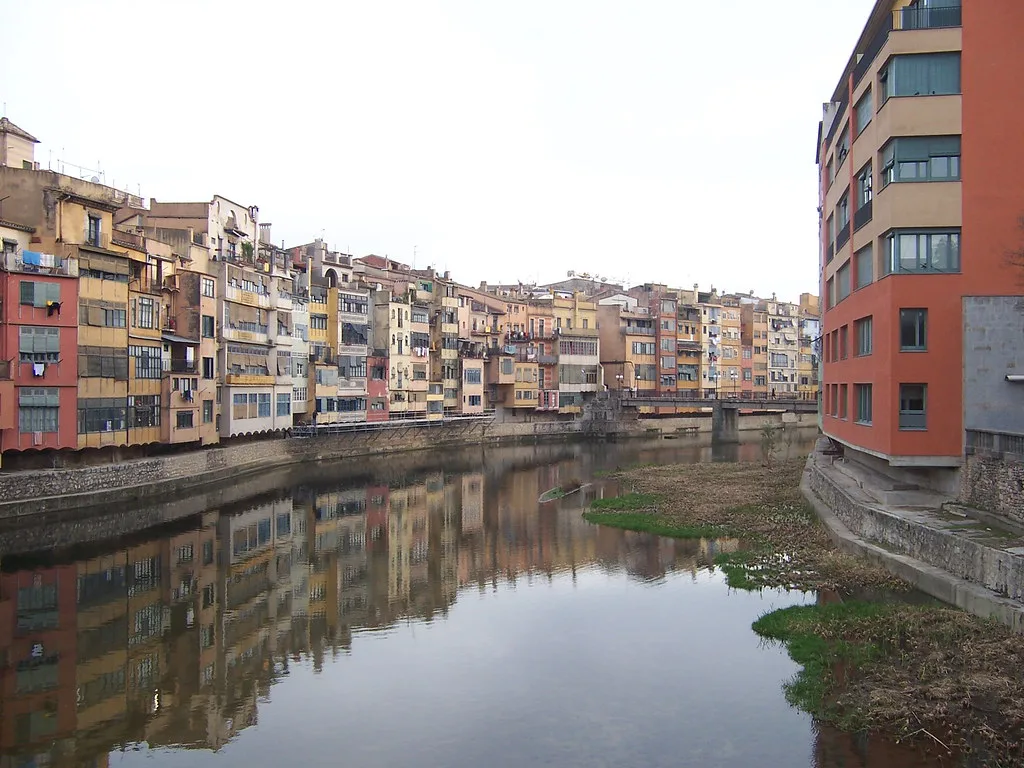
The Onyar, Pont de les Peixateries Velles and Plaça de la Independència
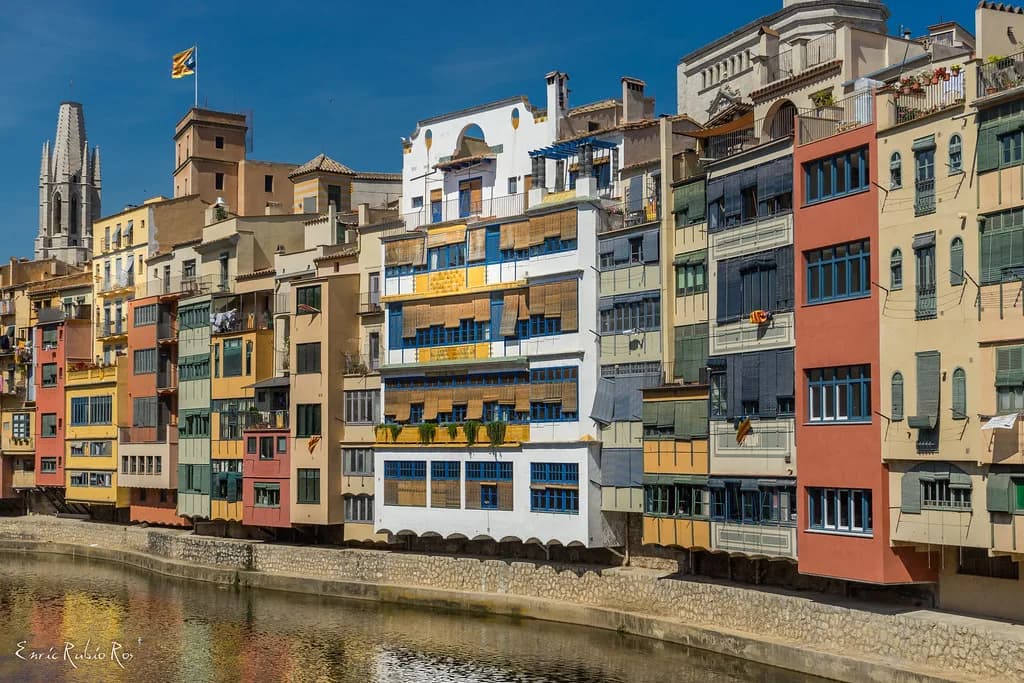
The Onyar river, the Pont de les Peixateries Velles and Plaça de la Independència form the classic, easy-going circuit of central Girona, and they need no tickets or timing. Do them in the evening, when the light on the coloured riverside houses is at its best and the day's heat has eased.
The Rambla de la Llibertat nearby is a natural place to pause for a drink before dinner service begins. It is also a sensible orientation point on your first evening, before you commit to a fuller Girona itinerary the next morning.
Basílica de Sant Feliu and the Museu del Cinema in the hotter part of the day
The Basílica de Sant Feliu blends Romanesque, Gothic and Baroque architecture and holds several sarcophagi, while the Museu del Cinema-Col·lecció Tomàs Mallol covers cinema history from the 1800s to the 1970s, with cameras, photographs and Chinese shadow theatre. Both are indoor stops that make sense between roughly 11am and 4pm.
Choose one rather than both if you are in Girona for a short break: the basilica is a quick, central visit, while the cinema museum asks for more time and attention. Check current opening days before you go.
Afternoon escapes: Parc de la Devesa and its street market
Parc de la Devesa is a large green space with trees, sports fields and picnic facilities, and it hosts a twice-weekly street market. It gives you shade, space and a break from the old town crowds without leaving the city.
Pair it with the city's food shopping if you are self-catering or assembling a picnic; the markets and shopping pages cover what is where in town.
Out of town: the Lake of Banyoles
The Lake of Banyoles is a former Olympic rowing venue with hiking, boating and a park containing ancient dwellings, and it makes an easy half-day out of the city. Start early in July: you want to be walking or on the water before the afternoon heat settles.
Treat it as a swap, not an addition. In peak season, a lake morning replaces old-town time, so decide whether your Girona base is for city days or day trips before you lock in any bookings.
Day trips: Figueres, Besalú and the Garrotxa volcanic park
Three strong day trips from Girona are the Dalí Theatre-Museum in Figueres, the medieval town of Besalú with its twelfth-century Romanesque bridge and Jewish baths, and the Garrotxa Volcanic Zone Natural Park with more than 40 volcanic cones and lava flows. Each is a full outing, so pick one per day rather than stacking them.
In July the trade-off is heat against travel time: museums and shaded medieval streets are kinder at midday than volcano trails. Book the museum side of the trip ahead if you can, and confirm the park's current access and transport arrangements locally.
Costa Brava coastline for a swim and a cooler afternoon
The Costa Brava coastline of coves, cliffs and fishing villages is at its most inviting in July, with swimming, snorkelling and kayaking on offer. It is the most effective way to escape the city heat, and it doubles as a proper day out rather than just a cooling stop.
Go early, claim your spot, and come back in the evening rather than returning through the hottest part of the afternoon. If your trip is short, one day in girona may be better spent in the city and the coast saved for a longer stay.
The Feast of Saint James on 25 July
The Feast of Saint James the Apostle falls on 25 July, a public holiday in Girona, so expect the day to run on a different rhythm from the rest of your trip. Treat it as a planning constraint rather than the centrepiece of a visit: keep your plans flexible around it and confirm what is open on the day itself.
If your dates include 25 July, decide in advance which day you will use for a day trip and which for the city, so a holiday timetable does not derail the whole plan.
Where to eat and when
Build the day around Spanish meal times: lunch roughly 1:30–4pm, dinner from about 8:30–9pm. That rhythm keeps you out of the 11am–4pm crush and puts your main meal after the worst heat, so book around it rather than grazing all afternoon.
If you are planning a longer stay and want a realistic daily structure, work out how many days you have first and then slot meals around the sights rather than the reverse. A hot July day rewards a long, late lunch and a light evening.
What July costs and how far ahead to book
July is peak season, so accommodation and transport fill earlier and cost more than in shoulder months. Book the fixed parts of your trip as soon as your dates are set, and keep the flexible sightseeing for the days themselves.
Compare your dates against late summer if you can move them: a shift into late August or early September changes both the price and the crowds. Check prices and availability directly with the operator or venue before committing.
Practical kit for a hot July day
Light clothing, water, sun protection and a hat are the basics; add a light layer for air-conditioned museums and churches. Carry cash or a card for small purchases and keep your plans to one big morning and one big evening rather than filling the middle of the day.
If shopping is part of the plan, do it in the cooler hours and keep it light, because you will be carrying bags in the heat.
Plan Your July Trip to Girona
July in Girona rewards a schedule built around heat and light: walls and cathedral in the morning, indoor sights or the coast through the middle of the day, and the old town again for the long evening. Expect crowds, book early and keep 25 July flexible.
If your dates can move, compare with adjacent months: October keeps the city's sights open with a gentler pace and lower demand.
For a wider summer context, our guides to Alicante and Ibiza in July show how other Spanish destinations handle the same peak season.
Explore more Girona guides
Frequently Asked Questions
Is Girona worth visiting in July?
Yes, if you plan around the heat. July averages a 29°C high and a 19°C low, and the days run from about 6:26am sunrise to a 9:21pm sunset, which gives you a long, cool evening for the old town. It is peak season, so expect crowds.
How hot is Girona in July?
Typical July days range from an average low of 19°C to an average high of 29°C, and the month is usually very warm and breezy. Temperatures in July and August regularly reach 30–33°C, so treat those as averages rather than a forecast and check short-range weather for your dates.
What are the best things to do in Girona in July?
Walk the Muralles de Girona and visit the cathedral early, use the Museu d'Història dels Jueus, the Basílica de Sant Feliu or the Museu del Cinema during the hot middle of the day, and take the Onyar and Plaça de la Independència in the evening. Day trips include the Dalí Theatre-Museum in Figueres, Besalú and the Garrotxa volcanic park.
Is Girona crowded in July?
Yes. July and August are the peak of the peak, and the old town is most congested between 11am and 4pm, so start early and shift a museum visit or a long lunch into that window.
What time do people eat dinner in Girona?
Dinner service generally starts around 8:30–9pm, with lunch roughly 1:30–4pm. The late July sunset means an early-evening walk followed by a late dinner fits the light naturally.
What should I pack for Girona in July?
Light, breathable clothing, a hat, sunglasses, sun protection and a refillable water bottle, plus comfortable shoes for cobbles and the city walls. Add a light layer for air-conditioned museums and churches.
How many days in Girona is enough?
Two full days cover the old town comfortably, and three give you room for a day trip such as Figueres, Besalú or the Costa Brava. In peak season, decide whether your base is for city days or day trips before booking.
Is 25 July a holiday in Girona?
Yes. The Feast of Saint James the Apostle falls on 25 July, so keep plans flexible that day and confirm what is open before you commit to a schedule.
Sources
Notes for eating well in Spain
Optional updates to our guides.
You might also like
Continue reading
More guides you'll find useful