Girona Markets: Food Halls, Weekly Stalls and Flea Markets
Plan your Girona market visits: Mercat del Lleó for meat, fish and produce, Sunday collectors' stalls on Plaça Catalunya and Saturday flowers on La Rambla.
On this page
Girona's market scene is small enough to cover on foot and varied enough to fill a morning. The anchor is Mercat del Lleó, the municipal food hall in Calvet i Rubalcaba, open Monday to Saturday for meat, fish, produce, nuts and spices. Around it sit street markets with fixed weekly slots: Saturday flowers along La Rambla de la Llibertat and Sunday collectors' stalls on Plaça Catalunya.
Shop before lunch rather than after. Lunch runs from about 1:30pm to 4pm, so a market hall visit at 11am leaves you time to buy, drop bags at your accommodation and sit down for the menú del día. Sunday is the exception: the collectors' market runs from 9am to 1pm, which slots neatly into a pre-lunch browse.
What Kind of Markets Girona Has
Three types matter to a visitor. The permanent food hall, Mercat del Lleó, is the one to plan a morning around. Weekly street markets and shopping streets carry flowers, books and everyday goods on set days. Then come seasonal and specialist fairs, from craft stalls during Sant Narcís in October to flea and medieval markets elsewhere in the province.
Knowing which type you are visiting changes what you pack and when you set out. A food hall is a shopping trip with a camera in hand; a Sunday collectors' market is a browsing trip where you might carry home postcards and old furniture. If you are weighing how long to spend in the city overall, a sensible split of days is covered in how many days in girona.
Mercat del Lleó: Girona's Main Municipal Food Market
Mercat del Lleó has occupied its municipal building since 1944, and the square outside was where farmers from the surrounding countryside met once a week to sell their produce for centuries before that. The market sits in the Calvet i Rubalcaba area, within easy walking distance of the old town.
The food stands open from Monday to Saturday inside the building. Treat weekday mornings as the quietest bet for a proper look at the counters, and Saturday as the liveliest. Don't build a Sunday plan around the hall.
A market of roughly 60 stalls spreads across fruit, vegetables, meat, fish, preserves, cheese and groceries, which means you can assemble a picnic or a self-catering supper in one lap. Stallholders were happy to offer samples when the market was busy with locals.
What to Buy at the Market Hall
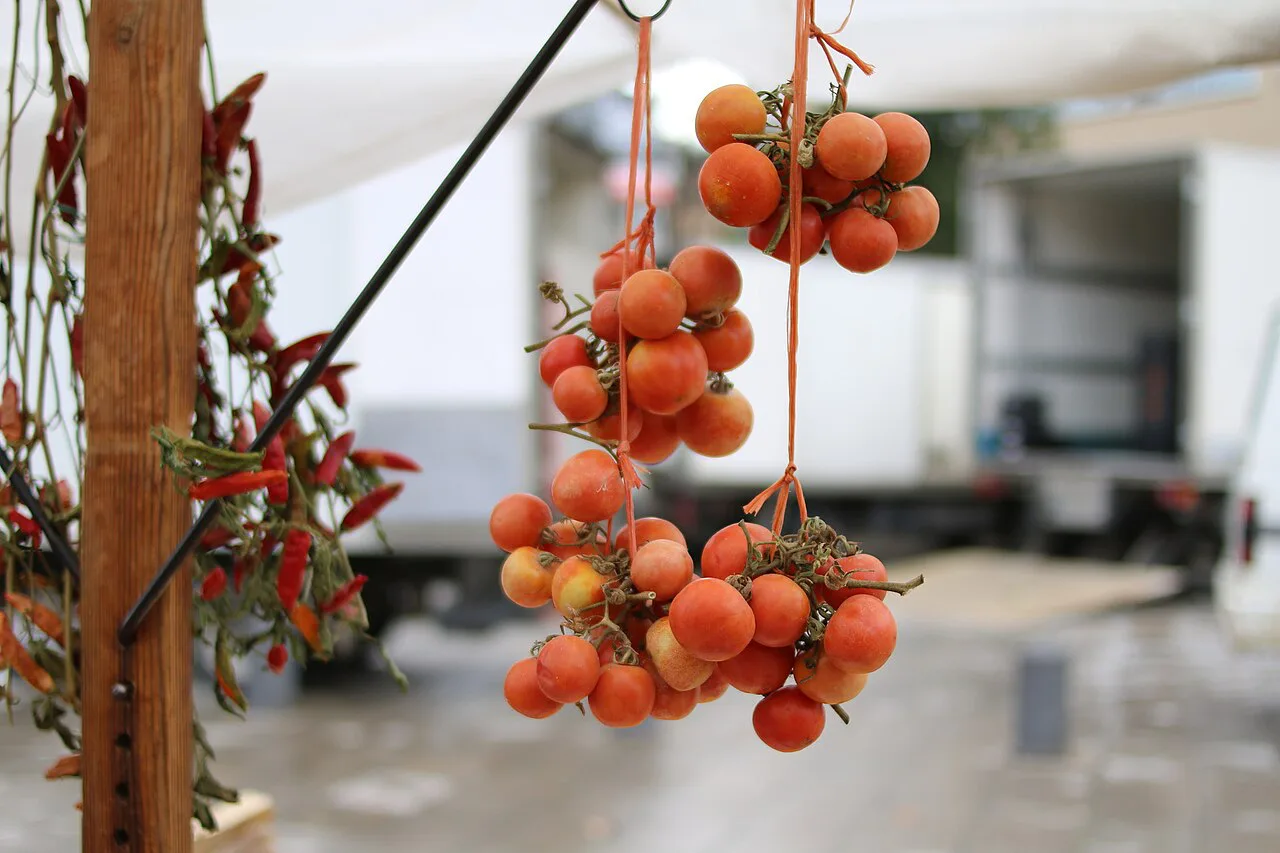
Meat, fish, fruit and vegetables, dried fruit and nuts, and spices are all sold inside the hall, so it works as a one-stop shop for a self-catering stay. Look for fish and seafood on the wet counters and cured meats alongside them.
Catalan specialities are where the market earns its detour. Xuixo, a cream-filled sweet pastry pronounced roughly CHOO-chos, turns up on pastry counters. Sweet botifarra sausage can be roasted with apple, cinnamon and lemon, and fesol d'ull ros beans pair well with shredded cod or grilled vegetables.
Other local items worth hunting down include Pals rice, used in the rice stews of the Empordà, and ratafia, a liqueur of fruit, herbs, roots, pine nuts and spices steeped in brandy. For a chocolate souvenir, Can Xapa sells thick slabs of xocolata a granel with 85 percent cocoa and candied dried fruits from a bakery inside a 13th-century castle.
Eating at the Market: Snacks Worth Ordering
You are shopping rather than sitting down for a full meal, but market snacking in Girona rewards a little planning. Pick up grilled artichoke hearts, baby pickled aubergines and savoury coca pastries to eat later, with a cup of sangria if a stall is pouring. These are pocket-friendly compared with a restaurant lunch.
If a plate of pollastre amb escamarlans, chicken cooked with langoustines, is on your wish list, that is a restaurant dish rather than a market one. Eat that at lunch or after 8:30pm, when Catalan dinner service starts, and keep the market for buying ingredients and snacks.
When to Go: Weekday Mornings Versus Saturday
Weekday mornings are the practical choice: the food counters are open, the city centre streets are calmer and you can shop before the 1:30pm lunch window. Saturday brings the hall plus the flower stands on La Rambla de la Llibertat, which makes it the fuller day out if you can handle the crowds.
Timing to avoid: arriving at 2pm expecting to graze the counters, since lunch and the afternoon lull get in the way. Aim to be finished by about 1pm, then eat properly and return to sightseeing afterwards. If you are planning by month, the same logic applies year-round, and the seasonal notes in girona in july help with summer heat.
La Rambla de la Llibertat: Saturday Flowers and Market History
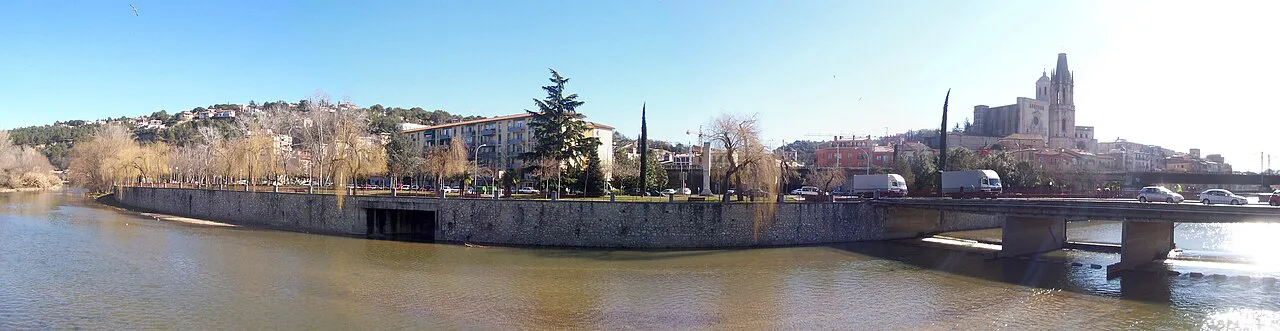
La Rambla de la Llibertat was first built in the 13th century to house a market that started at the old Pont de Pedra. The colonnades where the city's most important traders once worked survive beneath low roofs along the avenue.
On Saturday mornings the avenue fills with flower stands. It is the best market for a slow photographic wander: lime trees, flower buckets and café terraces on one street, and no need to buy anything to enjoy it.
Two worthwhile stops are close by: Casa Norat's Modernist façade and Colmado Moriscot, a characterful shop selling local spirits and other drinks. Colmado Moriscot is the better bet if you want to take ratafia home rather than drink it at a bar.
Plaça Catalunya Collectors' Market on Sunday Mornings
The biggest collectors' market in the city takes over Plaça Catalunya every Sunday from 9am to 1pm. Stalls sell books, postcards, stickers, watches, coins and old furniture, which makes it a genuine browse rather than a quick errand. It is worth walking through even if you buy nothing.
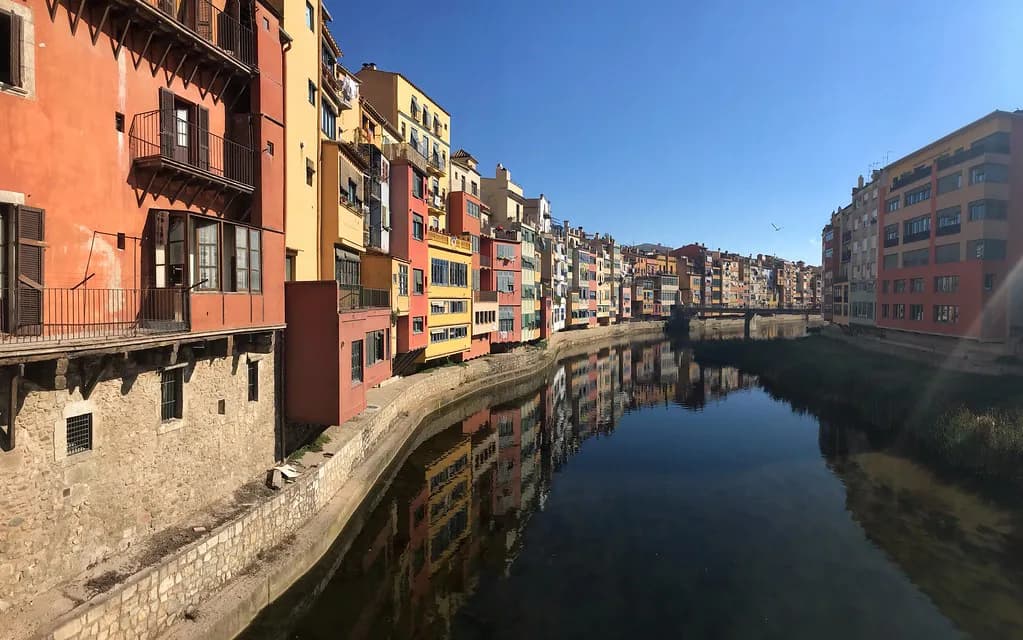
The square spans the Onyar river, so a Sunday market visit fits neatly into a riverfront walk. Pair it with the old town afterwards and you can be back out before the Sunday lunch crowd settles in.
Food Shopping Beyond the Market Hall
Carrer de l'Argenteria continues with jewellery, watch and silver shops rather than food, though the mechanical acrobat figure called the Tarlá performs above the street as a curiosity for shoppers. Carrer de la Cort Reial is the spot for souvenir shops and Ulysses, a bookshop focused on travel and mountaineering.
For a broader look at the city's shops and streets, including the main shopping centres on the outskirts, there is a dedicated guide to shopping that covers the difference between browsing the centre and driving to the malls.
Seasonal Markets: May Flowers, October Crafts and Christmas
The market calendar has three useful peaks. May brings the flower festival, when the streets are at their most colourful. October fills the city with craft stalls during the Sant Narcís festival, and Christmas is the moment for buying local food as gifts.
If October is a possibility, the broader city notes in girona in october cover what the month feels like beyond the craft stalls. For warmer trips, the recommendations in girona in september suit market mornings followed by afternoons outdoors.
August visitors should plan market time for the coolest part of the morning; the guide to girona in august gives a sense of what the city feels like in high summer.
Flea and Medieval Markets Around the Province
Beyond the city hall and street stalls, the province has a separate circuit of flea, street and medieval markets, including La Santa Market, Mercat del Peix, a medieval fair at Hostalric and Na Mercadera. These are day trips rather than city-centre stops, so check locally before building one into your schedule.
Medieval and flea fairs move dates by year and are the least predictable markets in the region. If a specific fair is the reason for your trip, track down the organiser's own page rather than relying on a general listing.
Market-Day Practicalities
Bring cash, a foldable bag and a cooler bag if you are buying fish or cured meat on a hot day. Saturday is busier than midweek, so a weekday morning is the calmer option if you want to ask stallholders questions.
The Mercat del Lleó food stands open Monday to Saturday and the Plaça Catalunya collectors' market runs on Sundays only. Keep that split in mind when you plan the week.
Door times, holiday closures and festival stall line-ups shift from year to year, so check the organiser's page and the city council's market information before you set out.
What to See Nearby
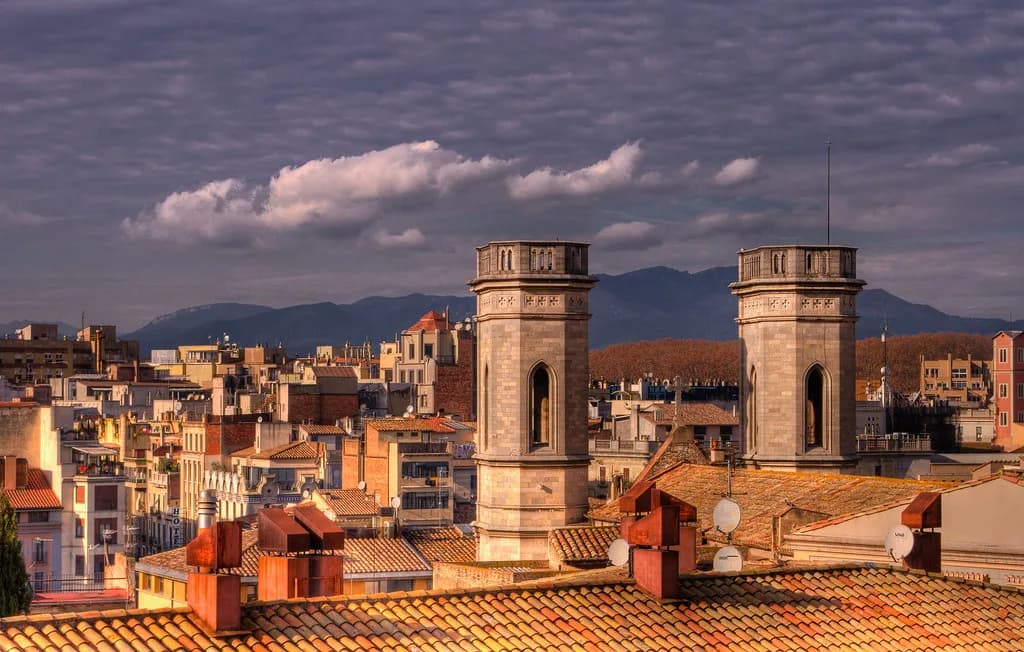
A market morning pairs well with Girona's old town: the cathedral, the city walls and the Barri Vell are all within walking distance of Mercat del Lleó and La Rambla. A one day in girona plan that starts at the market and ends at the riverfront captures most of the highlights.
If you have more time, a fuller itinerary covering two or three days lets you split the food hall, the Sunday collectors' market and the old town sightseeing rather than rushing between them.
Market lovers heading elsewhere in Spain can compare the format with Alicante Central Market and the island stalls in Ibiza, both of which follow a similar logic of shopping early and eating afterwards.
Verdict: Which Girona Market Suits You
For a food-focused traveller, Mercat del Lleó is the pick: one building, roughly 60 stalls, open Monday to Saturday, with the best range of Catalan produce and snacks. For browsers, Saturday on La Rambla de la Llibertat with its flower stands is the more atmospheric morning.
Sunday visitors should head for Plaça Catalunya instead, since the collectors' market there runs only in the morning. Budget roughly a morning for a market and set aside the afternoon for the old town.
Explore more Girona guides
Frequently Asked Questions
What day is market day in Girona?
Market day depends on the market. The Mercat del Lleó food hall trades Monday to Saturday, the Saturday morning flower stands line La Rambla de la Llibertat, and the Plaça Catalunya collectors' market runs on Sundays only, from 9am to 1pm.
What can you buy at Mercat del Lleó?
Expect meat, fish, fruit and vegetables, dried fruit and nuts, and spices across roughly 60 stalls. Local specialities such as xuixo pastries, botifarra sausage and ratafia liqueur make good souvenirs, and the counters are an easy way to assemble a picnic.
Is there a Sunday market in Girona?
Yes, on Plaça Catalunya, but it is a collectors' market rather than a food hall. Stalls sell books, postcards, stickers, watches, coins and old furniture. Do not rely on the Mercat del Lleó food stands on a Sunday, as they open Monday to Saturday.
What food is Girona famous for?
Catalan specialities worth trying or taking home include xuixo, sweet botifarra sausage roasted with apple, cinnamon and lemon, Pals rice, fesol d'ull ros beans and ratafia liqueur. Pollastre amb escamarlans, chicken with langoustines, is a restaurant dish rather than a market purchase.
When is the best time to visit Girona's markets?
Weekday mornings are the calmest time to browse the food hall before the 1:30pm lunch window. Spring and autumn suit shopping best, with the May flower festival and the October Sant Narcís craft stalls as the busiest seasonal moments.
Are Girona's markets good for budget travellers?
Yes. Market snacks and picnic supplies are a cheaper way to eat well than a sit-down Catalan lunch. Buy bread, charcuterie and cheese at the food hall and you have a meal without paying restaurant prices.
Sources
Notes for eating well in Spain
Optional updates to our guides.
You might also like
Continue reading
More guides you'll find useful