Things to Do in Salamanca: A One-Day Walking Guide
Plan a day in Salamanca on foot: the Plaza Mayor, two cathedrals, the university frog, river views, where to eat tapas and how long to stay.
On this page
Salamanca is a compact, golden-stone university city whose old quarter is a UNESCO World Heritage Site, and the core sights sit within a twenty-minute walk of each other. That makes it one of the easiest Spanish cities to cover on foot, with the Plaza Mayor as your fixed point. Build the day around a morning of monuments, a long lunch of tapas and an evening on the riverbank.
One day covers the essentials, two nights lets you slow down, and a half day forces hard choices. Plan your meals around Spanish hours, with lunch from about 1:30pm and dinner from 8:30pm to 9pm, so that kitchens are actually serving when you sit down.
Why Salamanca Rewards a Day on Foot
The historic centre is small enough to cross in half an hour, and its monuments cluster between the Plaza Mayor, the cathedrals and the river. The local stone turns a deep gold in low sunlight, which is why Salamanca is nicknamed the golden city and why the same street looks different at eight in the morning and at sunset.
Its university, founded in 1218, is the oldest in Spain, and the student population keeps the centre lively into the small hours. The old town was declared a World Heritage Site by UNESCO in 1988, so almost everything you have come to see is inside a walkable ring of cobbled streets.
Start in the Plaza Mayor
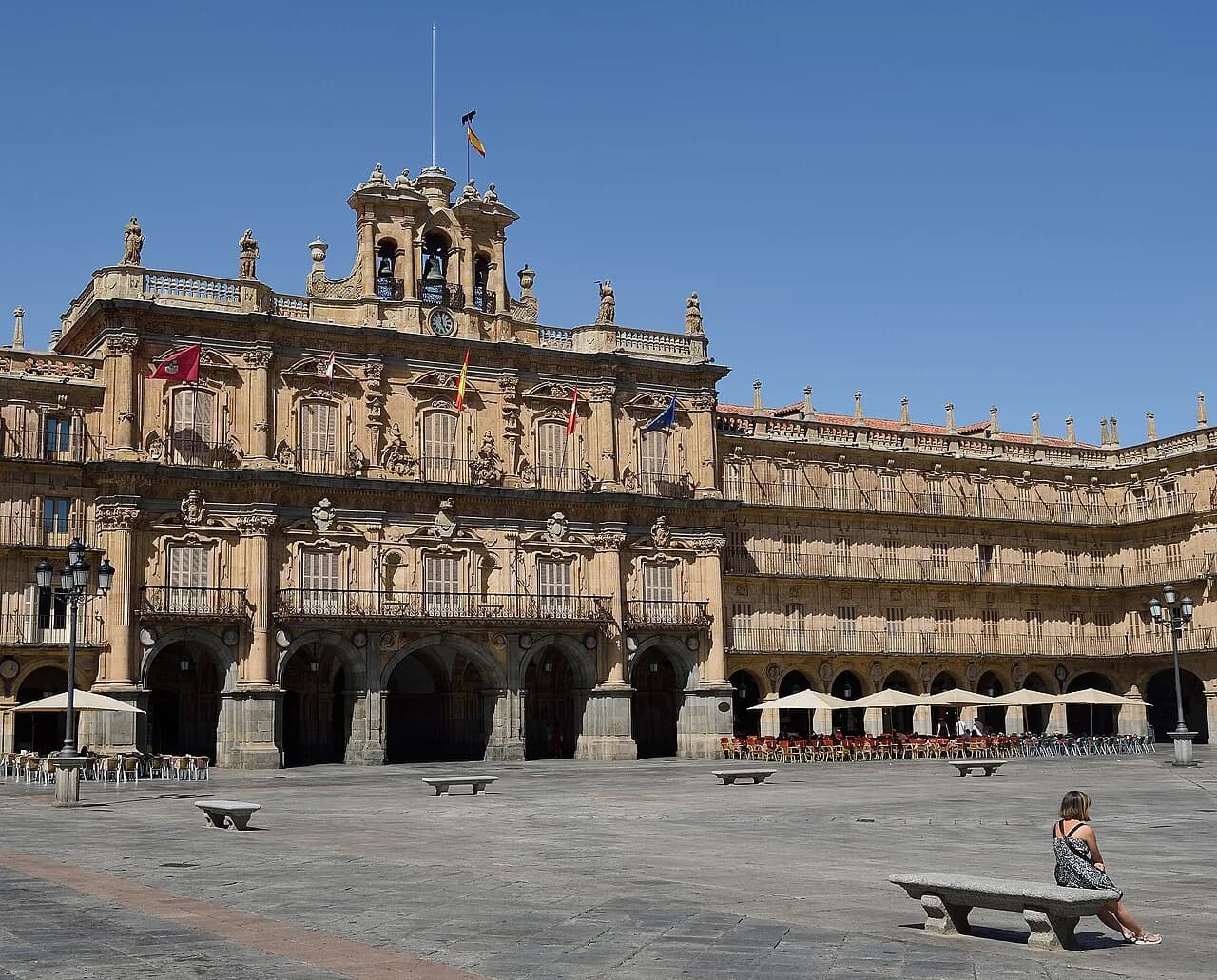
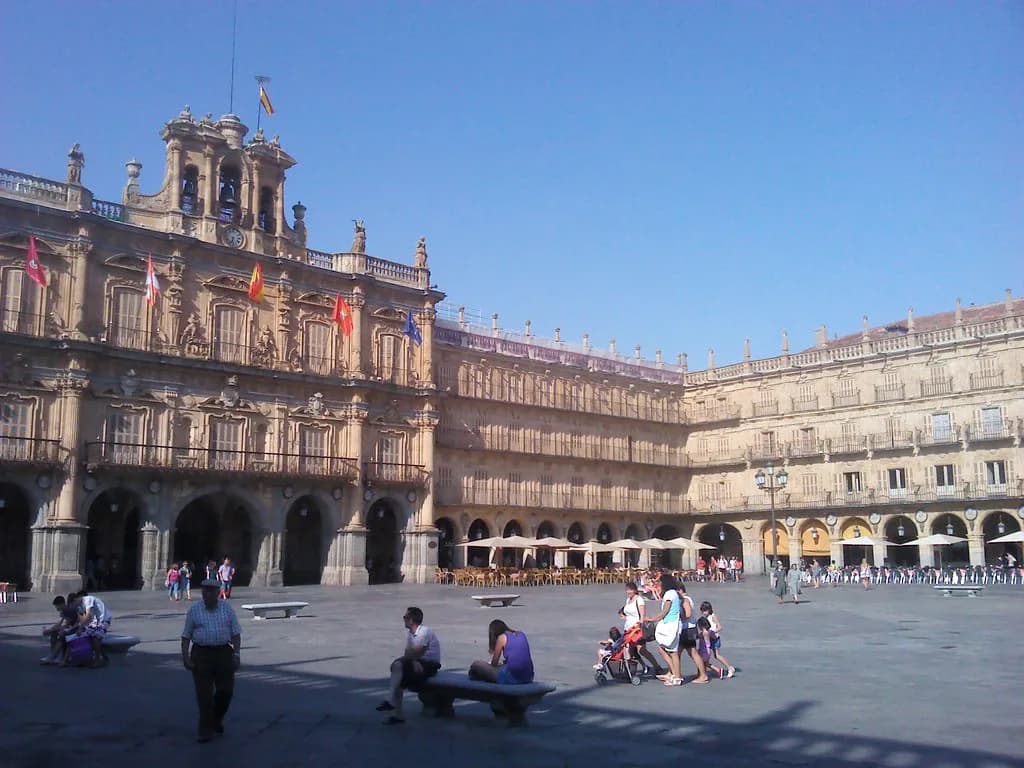
Begin in the Plaza Mayor, one of the largest and most beautiful squares in Europe and the busiest spot in the city. Walk the 88 porticoed arches that ring it and look for the carved medallions of famous figures, including the writer Miguel de Cervantes, set into the stone.
The tourist office on the square is the practical first stop for maps, guided tours and accessible tourism material, and there is a souvenir shop at Plaza Mayor 14. From here, the Plaza del Corrillo and the Rúa Mayor lead you straight towards the monuments.
A Coffee Stop at Café Novelty
Café Novelty, a century-old café on the Plaza Mayor, is the classic place to sit with a coffee and watch the square fill up. Order at the counter if you want to keep costs down and stand with the locals rather than take a terrace table.
Budget travellers can treat the square as free sightseeing: the arcades, the medallions and the evening lighting cost nothing, and coffee is optional. The trade-off is that café and bar terraces on the square charge more than the streets behind it.
Walk the Rúa Mayor to the Casa de las Conchas
Head down the Rúa Mayor to the Casa de las Conchas, a fifteenth-century building whose façade is studded with scallop shells, the symbol of the Order of Santiago. It now houses the city's public library, so you can step inside for free and see the courtyard.
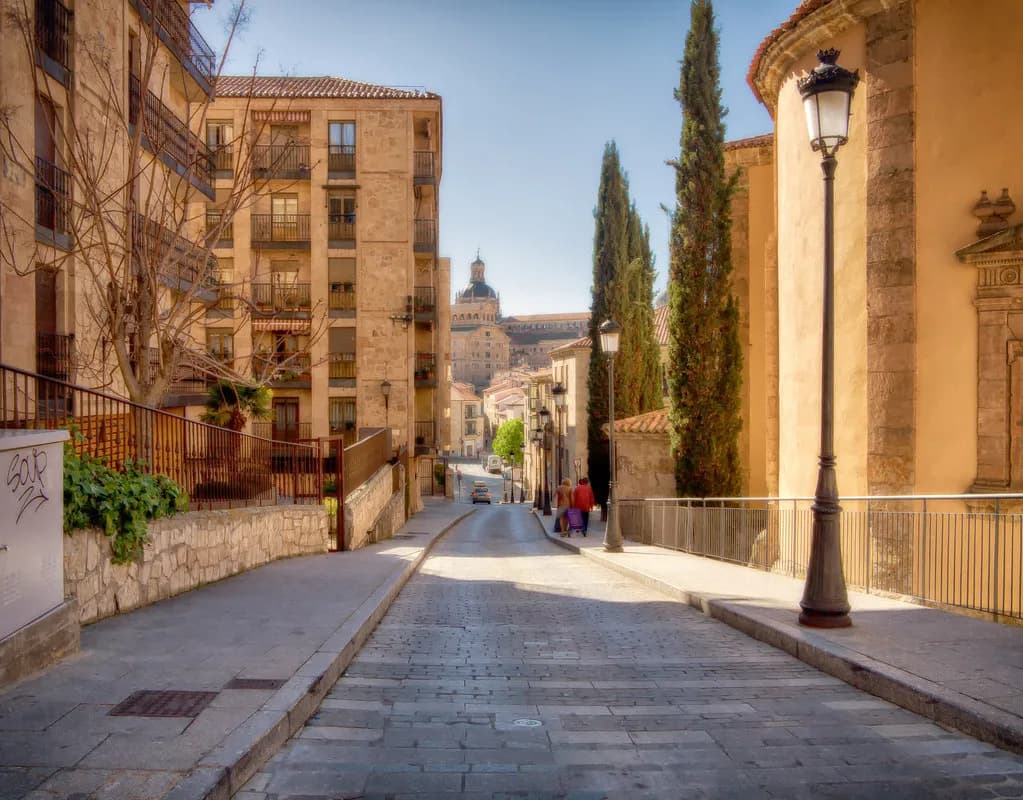
Behind it, on Calle de la Compañía, the towers of the Clerecía church and the Pontificia University mark one of the most historic stretches in the city. Legend holds that a treasure lies hidden beneath one of the shells on the façade, which is as good an excuse as any to look closely.
The Two Cathedrals and the Astronaut
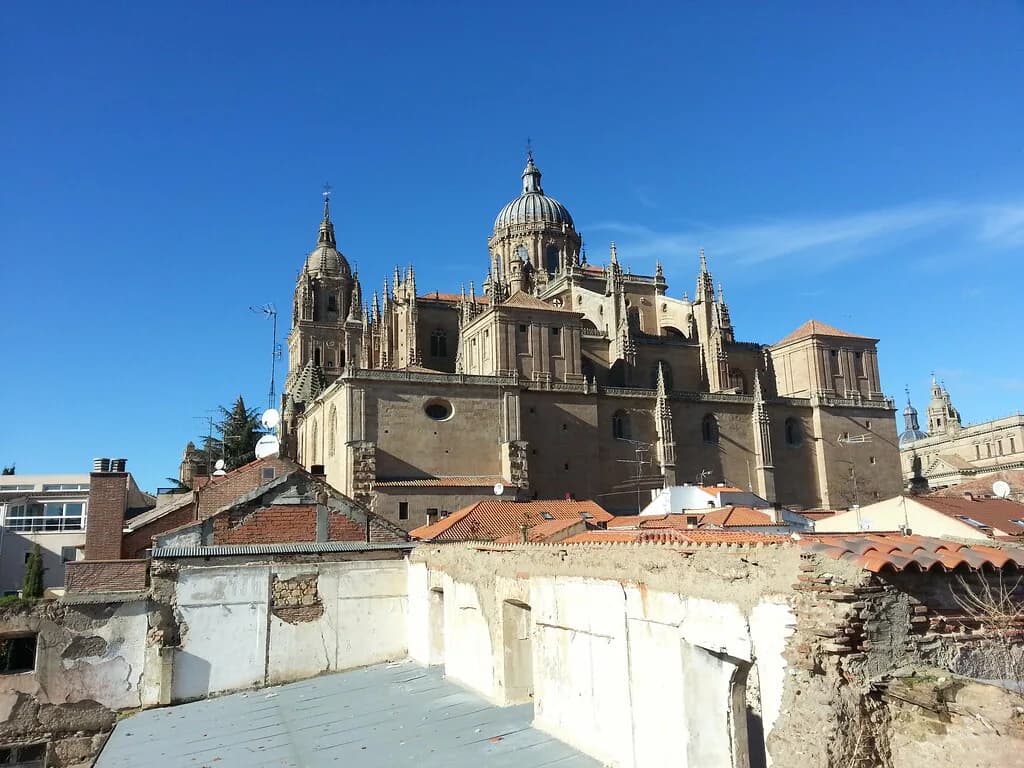
Salamanca has two cathedrals joined together: the Romanesque Old Cathedral, entered from inside the New Cathedral, and the Gothic-to-Baroque New Cathedral beside it. One ticket covers the visit, so buy once and pass between them rather than queueing twice.
Look closely at the lower part of the New Cathedral door and you will find carvings of an astronaut and a figure eating an ice cream, added during restoration work. Inside the Old Cathedral, the Chapel of St. Martin keeps colourful medieval frescoes of St. Martin sharing his cloak and scenes of hell and paradise.
Climb the Towers on the Ieronimus Exhibition
From the ground floor of the Old Cathedral, the Ieronimus exhibition leads you up through the highest parts of both cathedrals. The route takes you past the Gallo tower, named for its cockerel-shaped weathervane, and out onto a terrace with views across the whole city.
The towers rise to around 110 metres, so this is the one climb worth budgeting time and energy for, and it works best before lunch when the light is clearer. If stairs are a problem, skip it and put the time into the cathedral interiors instead.
Lunch: Tapas by the Plaza Mayor or Roast Suckling Pig
The streets around the Plaza Mayor are the place for a tapas lunch, hopping from bar to bar for cured meats and sausages from the province. Sit-down restaurants in the same area serve roast suckling pig, the traditional Castilian centrepiece, and a plate of jamón from Guijuelo is a good benchmark for the region.
Cafe La Platea, next to the Plaza Mayor and a few doors from Bambu, serves pinchos, tapas and typical Castilian dishes; gambas al ajillo, sizzling shrimps in garlic, is a reliable order with a glass of local wine. Bambu is known for cheap pinchos but gets loud and stuffy when it fills up, so treat it as a quick stop rather than a long meal.
Expect central tapas bars to cost more than the places students use further out, which is the price of the location rather than the cooking. Arrive at 1:30pm or later for lunch, because kitchens outside the all-day snack trade are not serving proper meals before then.
Calle Van Dyck and the Newer Part of Town
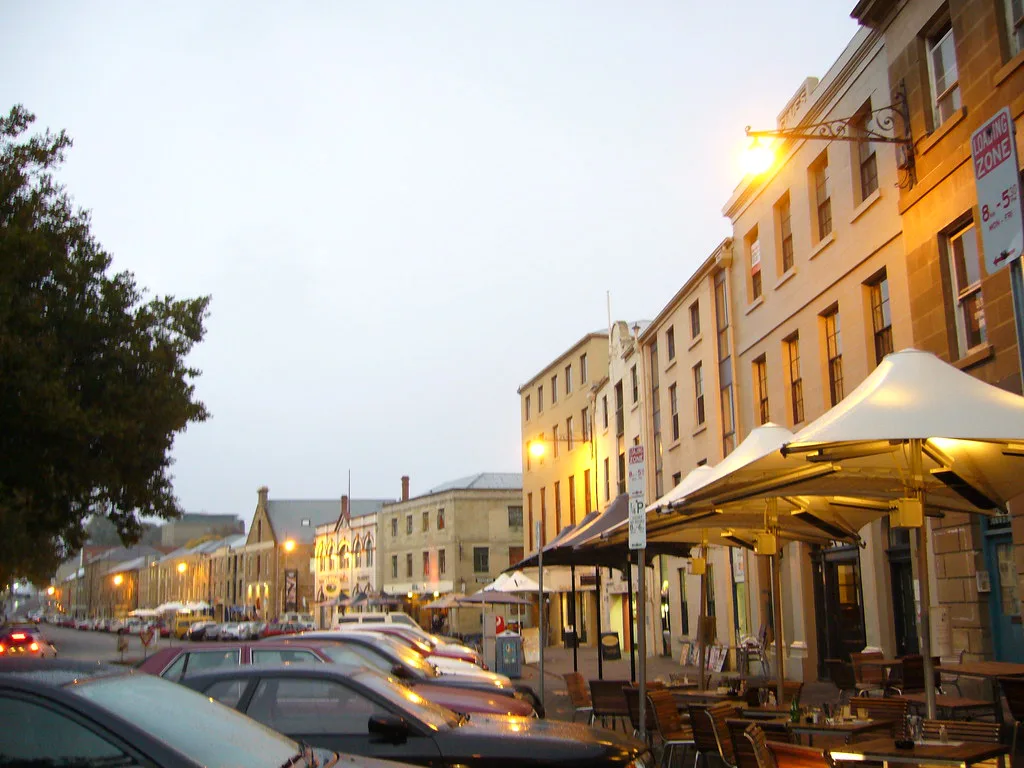
If you want more choice than the old town offers, Calle Van Dyck in the newer part of the city is the other busy eating strip, with a wide range of bars and restaurants. It is a short walk from the historic centre and busiest in the evening rather than at lunchtime.
Pair the street with a wider look at the city's restaurants if you want a proper sit-down dinner rather than a plate of pinchos at the bar. Reserve the evening for it, since the walk back into the old town is pleasant once the sandstone is lit.
The University of Salamanca and the Hunt for the Frog
Return to the Plaza de Anaya to see the University of Salamanca, whose Plateresque doorway hides carved figures including dolphins and a small frog. Legend says a student who spots the frog unaided will pass the year's exams, which is why you will see visitors staring at the stonework.
The façade is free to admire from the street, and the library upstairs holds thousands of antique books on wooden shelves with huge globes. The door, the courtyard and the surrounding lanes give you most of the experience without paying for anything.
Casa Lis and the Museum of Art Nouveau
The Casa Lis, an Art Nouveau mansion built in 1905 on the old city wall, now holds the Museum of Art Nouveau and Art Deco. Its stained-glass windows are visible from outside, so even a walk past gives you something, and its north façade is considered the finest modernist architecture in the city.
The collection runs from the nineteenth century to the Second World War, making this the best indoor stop if the weather turns. Combine it with the nearby streets of Toro and Zamora, where boutiques and jewellers sell local crafts such as filigree and the Salamanca button.
Huerto de Calixto y Melibea
The Huerto de Calixto y Melibea is a small garden built on the medieval walls, named after the lovers in Fernando de Rojas's La Celestina. It is a quiet place to sit in the shade with views of the cathedral towers and the Tormes, and it gives you a breather between monuments.
The garden sits on a slope, so it rewards a slow wander rather than a quick photo stop. Pair it with the Casa Lis on the same stretch of wall and you have a shady half hour in the middle of the afternoon.
San Esteban and the Roman Bridge
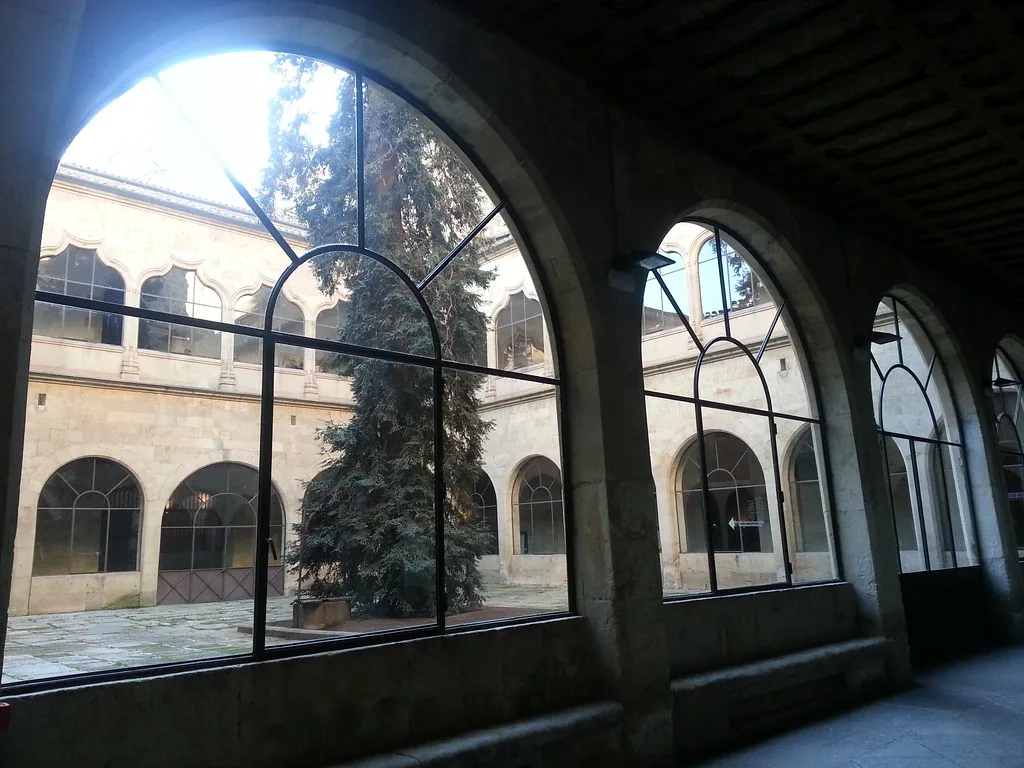
The Convento de San Esteban, east of the cathedral, has a Plateresque façade best seen at sunset when the red stone seems to catch fire, and its interior mixes Gothic and Baroque work. Across the road, Las Dueñas has a cloister with views of the cathedral.
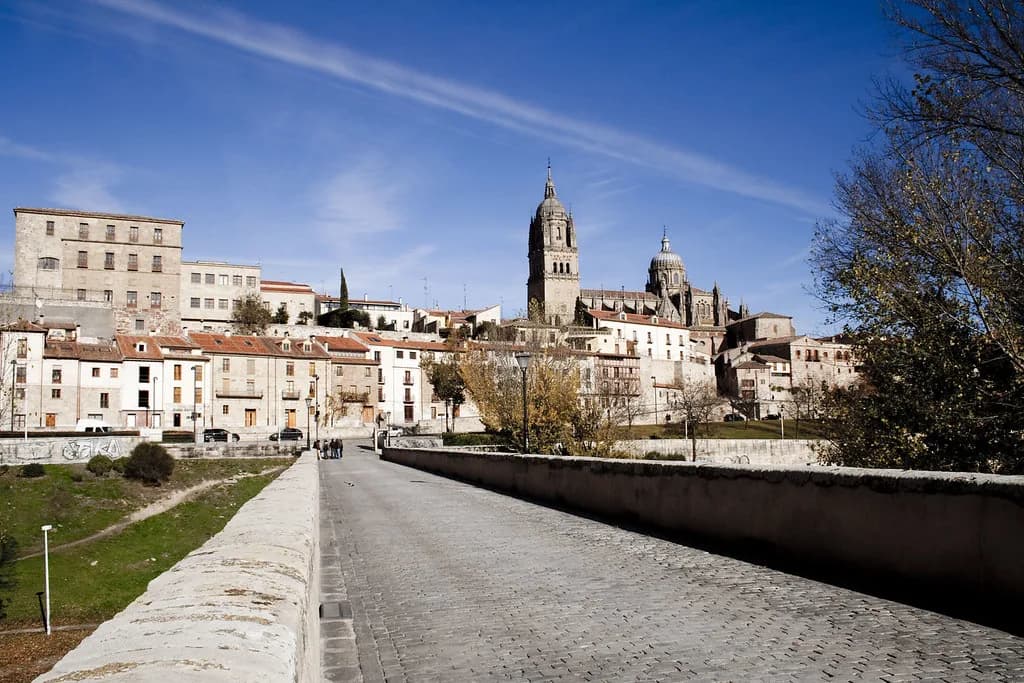
Finish at the Roman Bridge over the Tormes, known as the Puente Mayor del Tormes, for the classic view back to the old town. Walk to the far side and down to the riverbank for a slightly different angle, and in warm weather the riverside park draws locals and students.
Evening: Sunset Light, Dinner and Bars
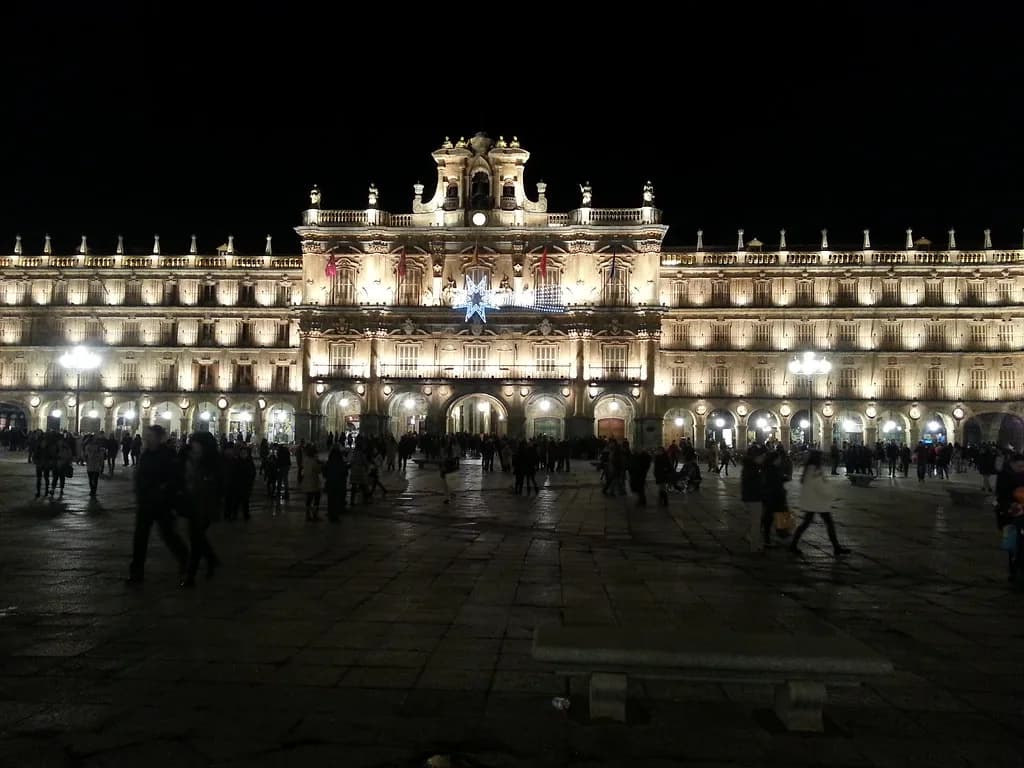
Sunset turns the façades gold, then the city lights up and the Plaza Mayor becomes the busiest place in town again. For dinner, the cobbled streets around the square are the obvious choice, and the evening continues in the bars near Plaza Mayor, Plaza San Justo, Gran Vía and Calle Bordadores.
As a university city, Salamanca's nightlife runs late, with bars and clubs ranging from converted chapels to venues decorated like a boat or a submarine. Eat at 8:30pm or later and you will still be out when the streets are at their liveliest.
Salamanca with Kids
The frog on the university façade and the astronaut on the cathedral door turn sightseeing into a treasure hunt, and both are free to look for. The Roman bridge and the riverside paths give children space to run after a morning of churches.
Plan the day in shorter blocks, with a garden or river stop between monuments, and ask at the tourist office for games and routes designed for children. A picnic on the Tormes banks is the cheapest way to break up a full day.
Practicalities: Getting In, How Long and When to Visit
The train from Madrid Chamartín to Salamanca takes around two hours, and the station is a fifteen- to twenty-minute walk from the centre. Booking a week ahead is sensible advice for a route this popular, though fares vary by day and time.
One day is enough for the old town, while two days lets you add Casa Lis or a lazy afternoon on the river without rushing. To work out your own split, read How Many Days in Salamanca Do You Actually Need? before booking transport.
Opt for spring or autumn rather than the hottest summer weeks, when walking between monuments in the middle of the day is hard work. Whatever the season, the city's festivals fill the calendar, so check dates before you book.
What to Skip If You Only Have Half a Day
With half a day, take the Plaza Mayor, the Casa de las Conchas façade, the two cathedrals and the university door, then finish on the Roman bridge. That route keeps you in the compact heart of the old town and needs no transport.
Cut the museums first: Casa Lis and the Ieronimus tower climb both need time you will not have. The trade-off is that you miss the rooftop view, which is the one thing worth coming back for.
Day Trips: Zamora, Ciudad Rodrigo and the Sierra de Francia
Zamora, north of the city, has more Romanesque churches than anywhere else in Europe, while the walled town of Ciudad Rodrigo sits west towards the Portuguese border. Both work as day trips if you have a car or a taste for local buses.
South of Salamanca, the Sierra de Francia holds the medieval village of La Alberca and the 1,723-metre Peña de Francia, with cured meats and cheeses to bring home. Give the mountains a full day rather than squeezing them in around the city.
Plan Your Visit
Salamanca's appeal is that the whole city works as a single walk: Plaza Mayor in the morning, cathedrals and the tower climb before lunch, tapas at 1:30pm, the university and gardens in the afternoon and the Roman bridge at sunset. If you would rather build a day around a castle and a beach, compare these things to do in Alicante with the same morning-to-sunset rhythm. For a pilgrimage city threaded by a different kind of walk, our Things to Do in Santiago de Compostela: City Guide follows the same idea of monuments, market streets and long lunches on foot. Book your timings around Spanish meal hours and you will spend less time looking for open kitchens.
Restaurants, exhibitions and the tourist office publish their own current times and prices, so confirm those directly before you go. If you are planning a longer trip, the Salamanca Attractions guides cover individual sights in more detail.
Explore more Salamanca guides
Frequently Asked Questions
What can you do in Salamanca in one day?
Start at the Plaza Mayor and its arcades, walk the Rúa Mayor to the Casa de las Conchas, visit the two cathedrals entered from the New Cathedral, climb the Ieronimus towers and break for tapas lunch around the square. In the afternoon find the frog on the university façade, see the Casa Lis and the Huerto de Calixto y Melibea, then finish on the Roman bridge as the light turns gold before dinner near the Plaza Mayor.
Is Salamanca worth visiting?
Yes, particularly if you like architecture and food in the same trip. The old town is a World Heritage Site with Romanesque, Gothic and Plateresque buildings packed into a compact centre, and it is easy to cover on foot. The university keeps the city lively and the tapas bars around the Plaza Mayor give you a straightforward lunch.
How many days do you need in Salamanca?
One full day covers the main sights in the old town. Two nights lets you add Casa Lis, the tower climb and a slow afternoon on the Tormes without rushing, and it gives you a proper evening out since dinner starts late. If you want day trips to Zamora or the Sierra de Francia, allow more time.
Where should you eat tapas in Salamanca?
The streets around the Plaza Mayor are the traditional choice for cured meats and sausages, with Cafe La Platea serving pinchos, tapas and Castilian dishes including gambas al ajillo. Bambu is known for cheap pinchos but gets busy and noisy. Calle Van Dyck in the newer part of town has a wider choice of bars.
Can you visit Salamanca as a day trip from Madrid?
Yes. The train from Madrid Chamartín takes around two hours, and the station is a fifteen- to twenty-minute walk from the centre, so you can arrive late morning and still see the main sights after lunch. Book ahead for the best choice of departures, and plan dinner or the return train around Spanish meal times.
What is Salamanca famous for?
Its golden sandstone buildings, its two cathedrals and the University of Salamanca, founded in 1218 and the oldest in Spain. Sweets of legend and stone carvings, including the frog on the university façade and the astronaut on the cathedral door, are part of the appeal. The city is also known for jamón from Guijuelo and castilian roasts such as suckling pig.
Sources
Notes for eating well in Spain
Optional updates to our guides.
You might also like
Continue reading
More guides you'll find useful