Fuerteventura in September: Weather, Sea & Things to Do
Fuerteventura in September brings highs near 28°C, sea around 23°C and very little rain. Here's what that means for beach days, wind and eating times.
On this page
September is late summer on Fuerteventura rather than autumn. You get highs around 28°C, a sea at roughly 23°C and only a token amount of rain, so most days are built for the beach before lunch and a shaded table in the afternoon. The wind has dropped from its summer peak, which makes the heat easier to sit with and the water calmer on some coasts.
The useful planning question is not whether September is hot but how to shape a day around it. Lunch runs roughly 1:30–4pm and dinner from about 8:30–9pm, so the hottest hours fall between meals or just as you sit down. This guide sets out the figures, area-by-area sea conditions, the eating rhythm that works and what to pack.
September on Fuerteventura at a glance
Late September-early autumn here means heat without the punishing edge of midsummer in most people's experience of the island, and the sunshine is long and reliable. Average daily temperatures sit around 25°C, with highs reaching 28°C and lows of about 21°C, so evenings stay warm enough for open-air dining. Winds are moderate at around 20 kph on average, which is among the calmer months of the year.
Rain is negligible: reports put average rainfall between 2 mm and 5 mm over one or two days, and some months see none at all. That means you can plan outdoor excursions and boat trips without a rain back-up most of the time. The trade-off is high UV and dry air, so sunscreen, a hat and water matter more than an umbrella.
How hot it gets: average highs of 28°C and lows around 20–21°C
Expect an average high of 28°C, which is also the island's annual high, so September sits at the top of the year's temperature curve. Nights cool only to around 20–21°C, which keeps terraces and promenades comfortable late into the evening. A light layer is useful if you eat outside after 9pm, but you will not need a jacket.
The midday sun is the real constraint rather than the air temperature. Walking or cycling between about noon and 3pm is draining, and the local habit of a late lunch works in your favour: book a shaded table, eat between 1:30pm and 4pm, and save the beach or a siesta for the hottest stretch.
A hot Saharan wind occasionally pushes temperatures well above the average and can bring dust, so a day that starts hazy may not be the day for a long hike. Keep a flexible second plan: a museum, a covered market or a slow lunch.
Sea temperature around 23°C and what that means for swimming
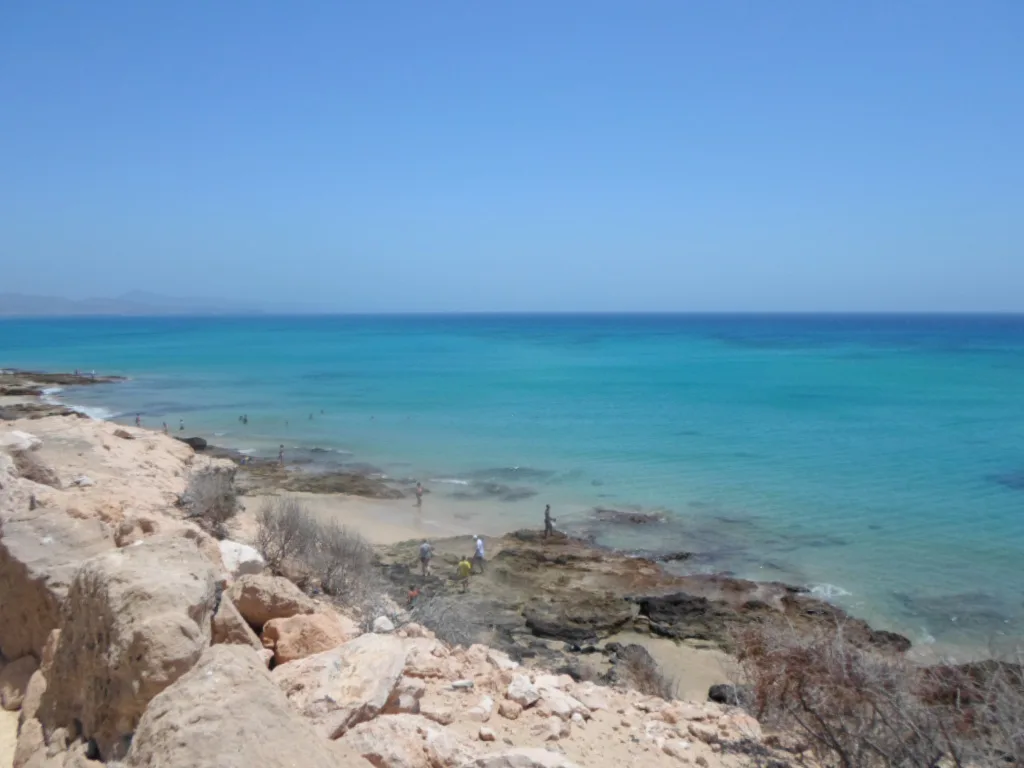
The sea averages about 23°C in September, warm enough for long swims and comfortable snorkelling without a wetsuit. Average water temperatures hold around that figure for the whole month, though the water can dip to about 21°C in the evenings.
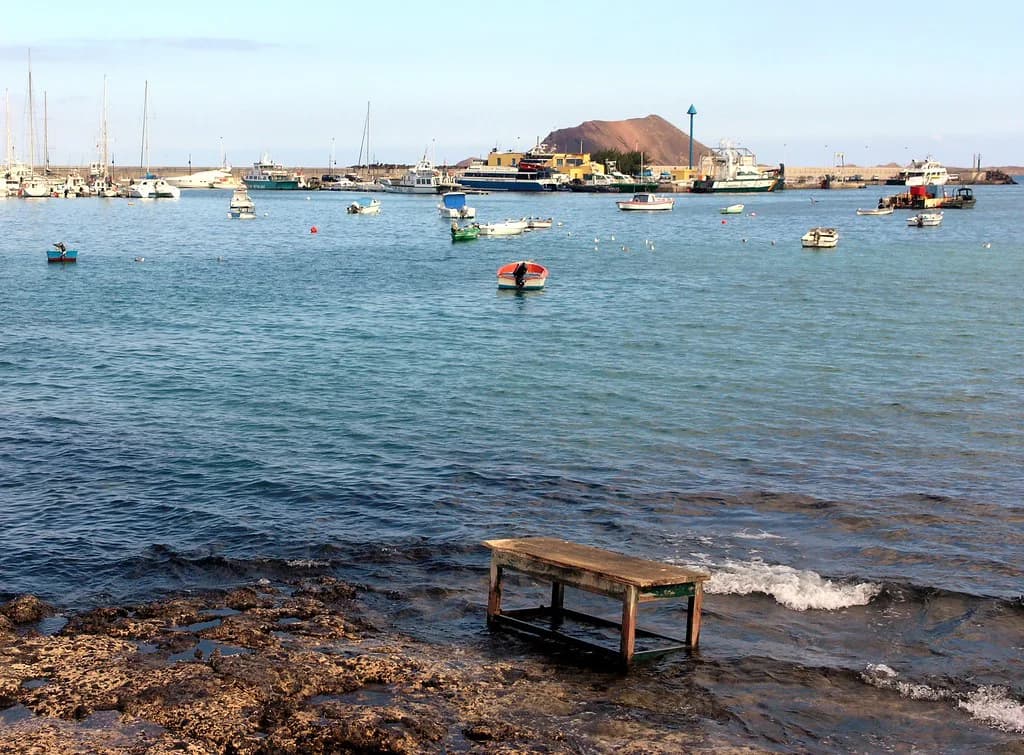
The coast is not uniform. Caleta de Fuste sits around 22°C with sheltered coves and calm water, good for relaxed swimming and families, while Jandía runs warmer at around 24°C if you want the balmiest water. Corralejo, on the north coast, is the area for watersports and boat trips.
Sunshine and daylight: 8–12 hours of sun a day, sunset around 8pm
Reports differ a little on sunshine: some give 8 to 11 hours a day, others about eight, but either way you get long, bright days. Daylight averages around 12 to 13 hours, with sunrise around 7am and sunset around 8pm for much of the month.
An 8pm sunset is the key to a September evening: you can swim after work, shower, and still eat at a normal Spanish dinner time without darkness cutting the plan short. Plan the day so the beach falls in the morning or late afternoon and the middle of the day belongs to lunch and shade.
Wind: why September is one of the calmer months
Average wind speeds of around 15 to 20 kph make September one of the less windy months, so the island feels less raw than in July. Steady north-easterlies and the Canary Current keep temperatures bearable, while hot Saharan winds occasionally bring a dust haze and a spike in heat.
Calmer air is good news for swimmers and sunbathers, but it means the windsurfing and kitesurfing crowd gets less reliable conditions than in the summer peak. If those sports are your reason for coming, treat September as a gentler month and keep a flexible plan.
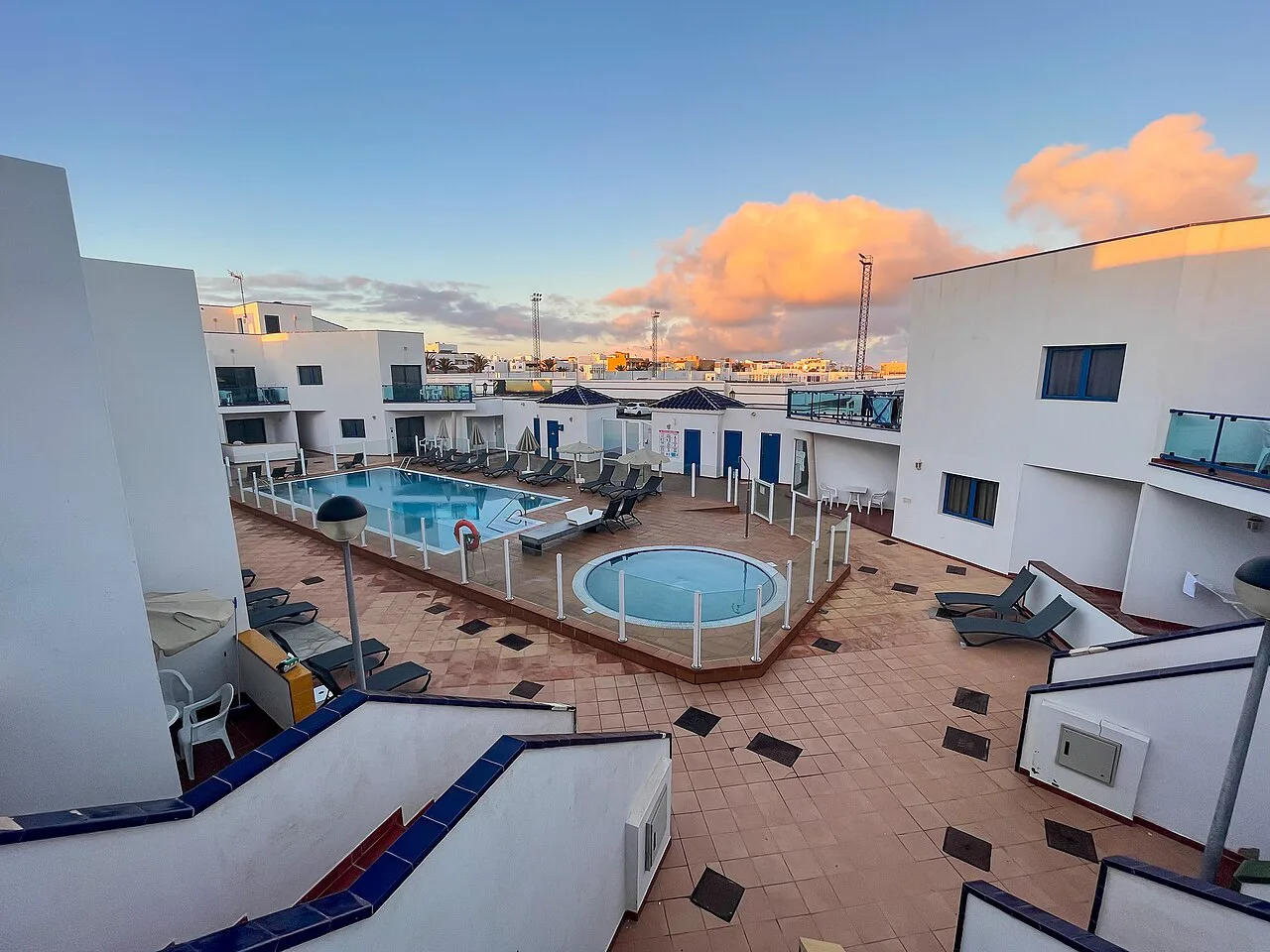
Rain and humidity: what little drizzle to expect and the dust caveat
Rainfall averages 2 mm to 5 mm over a day or two, with some sources putting it at 15 to 18 mm for the month. Either way it is rare and scattered, and a sunny day is far more likely than a washout. Humidity sits around 67% to 77%, which feels dry compared with a British summer but still warrants water and shade.
The bigger nuisance is occasional dust from the Sahara, which can dull the sky and irritate eyes and airways. On a hazy day, keep activities shorter and gentler, stay hydrated and save the long coastal walk for clearer weather.
Beaches and watersports by area
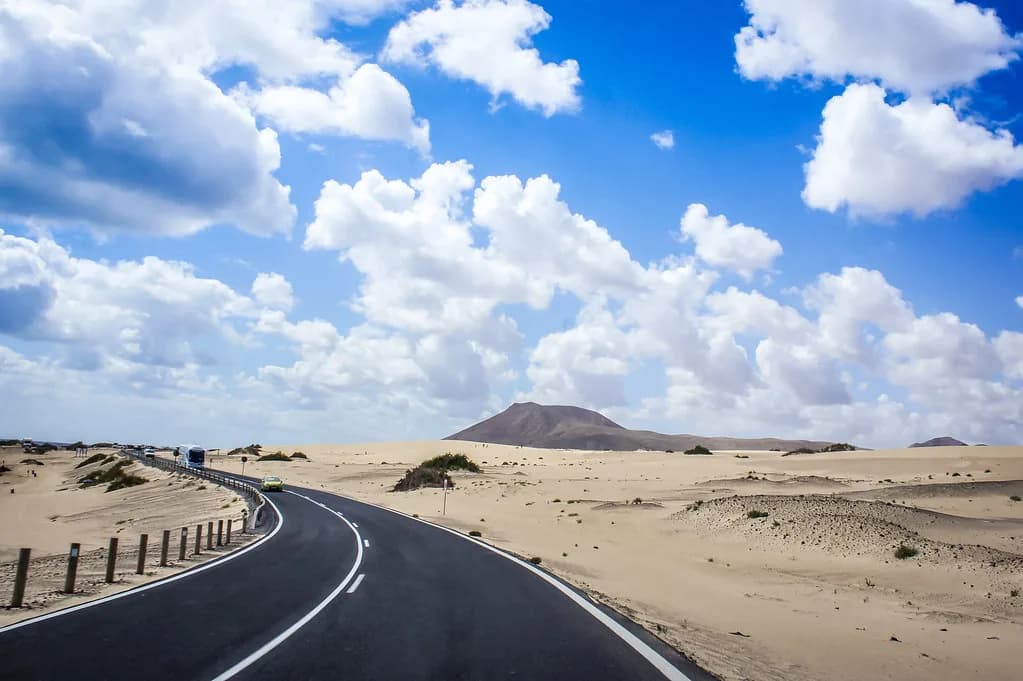
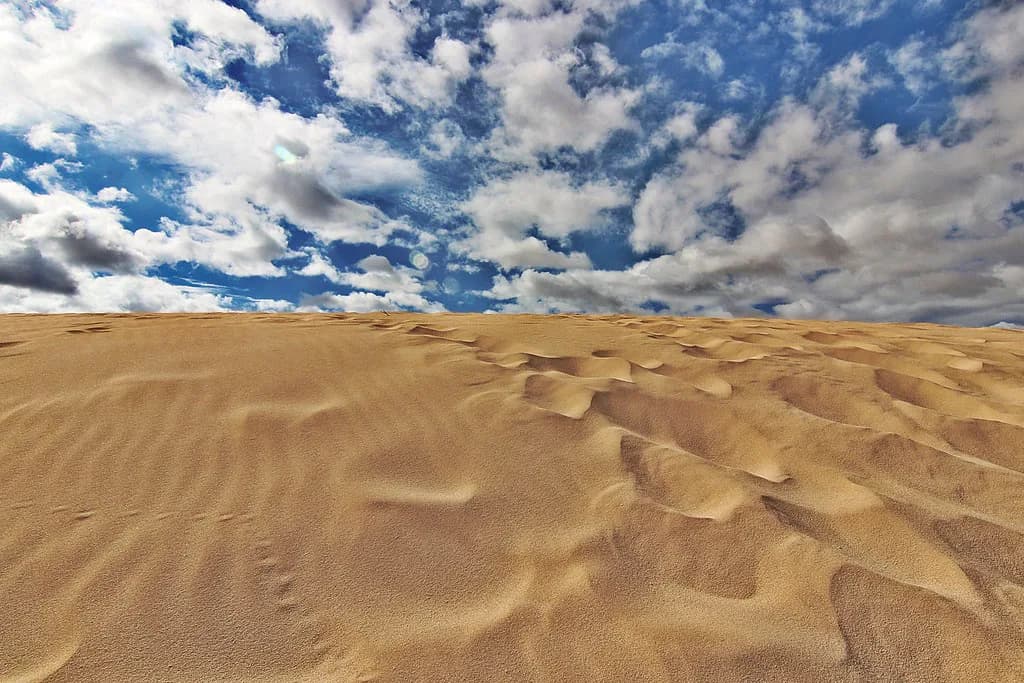
Corralejo suits anyone who wants boat trips, watersports and easy access to the dunes and the Parque Natural de Corralejo. The north coast has more breeze than the sheltered east, so it is the pick for sailors and kitesurfers.
Caleta de Fuste is the family-friendly option, with calm, sheltered water around 22°C. Jandía and Morro Jable in the south run warmer at about 24°C and offer long, broad beaches.
A simple pattern works well: swim early, eat lunch at 1:30–4pm out of the sun, then head back to the beach or the pool from about 5pm when the light softens and the heat drops. Book any boat trip or dive for the morning to avoid the strongest UV and the afternoon haze.
Eating on Spanish time: lunch 1:30–4pm and dinner from 8:30pm
September heat pairs naturally with the Spanish day: a light breakfast, a later lunch at 1:30–4pm when the sun is strongest, and dinner from 8:30–9pm when the air has cooled. Sitting down in the middle of the day is not laziness here, it is sensible. The late sunset around 8pm means dinner on a terrace is still bright at the start.
Use the afternoon for a covered market, a shaded café or a siesta rather than a long hike, then eat dinner late and walk the promenade afterwards. If you are travelling with children, an earlier, lighter meal around 7pm is common and still fits the daylight.
Book popular places for dinner, especially at weekends, because the tail end of peak season still brings crowds. Ask about the kitchen's last orders when you arrive; that is more reliable than a printed sign.
What to order in the heat
Order light and cold: fresh fish, salads, gazpacho-style soups and small plates rather than heavy stews at midday. Cold beer, wine or a non-alcoholic drink with ice is the local rhythm, and tap water is fine to ask for.
If you are cooking, shop in the morning before the heat peaks: a local market or supermarket early gives you fruit, bread and cheese for a shaded lunch at home. For a full guide to the island's dishes, see what to eat in Fuerteventura.
Crowds and prices at the end of peak season
September is the last month of the peak season, so beaches and restaurants are still busy, particularly at weekends and around the bigger resorts. It is not quiet, but it is less frantic than August and the crowds thin in the final week.
Expect holiday prices to reflect demand rather than drop sharply: accommodation and flights are typically cheaper than in August but not bargain-basement. Compare shoulder dates rather than presuming every September week costs the same.
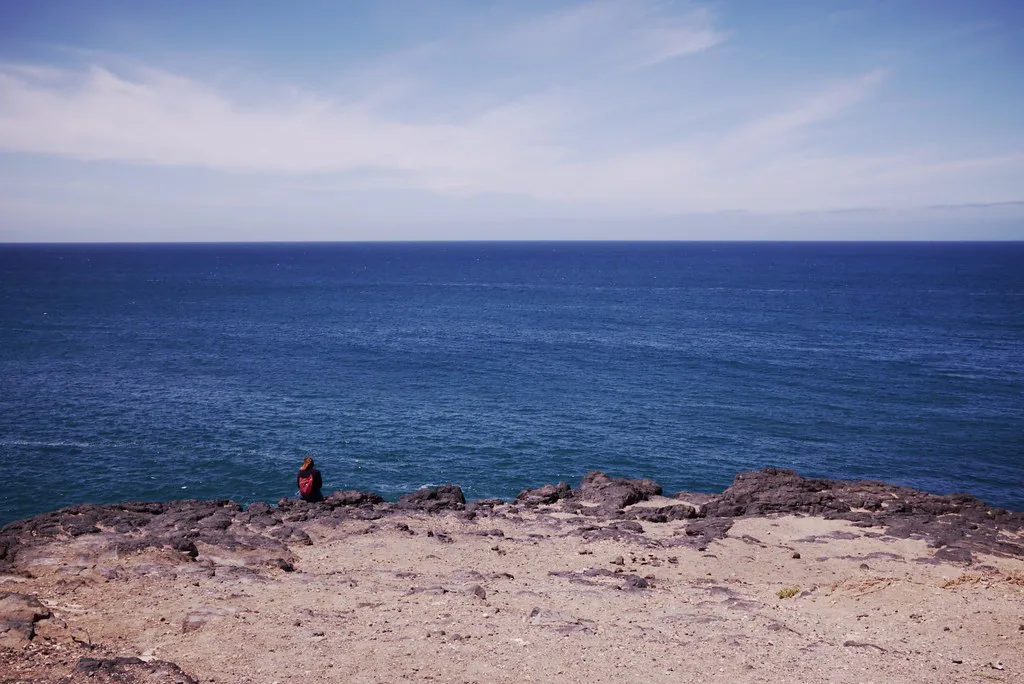
What to pack and how to handle high UV
Pack light, breathable clothes, swimwear, a hat and high-factor sunscreen, because UV is very high in September even when it feels breezy. Add a light layer for late dinners and comfortable walking shoes for cooler morning excursions.
A refillable water bottle and a small day bag for the beach will see you through most days. If you are sensitive to dust, pack a scarf or mask for hazy Saharan days.
A sample September day around the heat
Start early with a swim or a walk before 10am, when the light is soft and the beaches are quiet. Have a late breakfast, then use the midday hours for a shaded lunch between 1:30 and 4pm. After a siesta, head back to the beach or the pool from about 5pm, then shower and eat dinner from 8:30pm.
For a longer plan, our Fuerteventura itinerary shows how to slot beaches, the dunes and a day trip into a few days without burning out in the heat. If you are deciding how long to stay, our guide to how many days in Fuerteventura covers two, three and four-night options.
Who September suits and who should pick another month
September suits anyone who wants reliable heat without the most intense summer conditions, and it is a good month for families, swimmers and people who like long evenings. The moderate wind and warm sea make it one of the easiest months for outdoor plans.
If you want cooler hiking weather, high winds or lower holiday prices, look at October, when temperatures ease and the island quietens after the summer. Weigh the heat against your plan: for beach days, September is hard to beat.
Plan Your September Visit
September on Fuerteventura is a straightforward bet: highs near 28°C, a sea around 23°C, almost no rain and a sunset close to 8pm. Build your days around a late lunch, save the hottest hours for shade and book dinner for 8:30pm or later. Check current details with your accommodation and airline before you go, particularly if you plan to dine out on a specific date.
Explore more Fuerteventura guides
Frequently Asked Questions
Is Fuerteventura still hot in September?
Yes. Average highs reach about 28°C and lows sit around 20–21°C, so the island is still in high summer for most of the month.
How warm is the sea in Fuerteventura in September?
The sea averages about 23°C, warm enough for long swims and snorkelling without a wetsuit. Caleta de Fuste is a little cooler and Jandía a little warmer than the island average.
Does it rain in Fuerteventura in September?
Rainfall is negligible, with reports ranging from about 2 mm to 18 mm depending on the source. Expect the occasional cloudy or hazy day rather than a washout.
Is September windy in Fuerteventura?
No, September is among the calmer months, with average wind speeds around 15–20 kph. That suits swimmers and sunbathers; windsurfers get stronger conditions earlier in the summer.
When do people eat dinner in Fuerteventura?
Dinner is late, typically from 8:30–9pm, with lunch between 1:30 and 4pm. Eating out of these hours is possible but the kitchens are quieter then.
Is September a good time to visit Fuerteventura?
Yes, if you want heat, warm sea and long evenings without the peak of summer. It is busy at weekends because it is still peak season, so book dinner tables in advance.
Sources
Notes for eating well in Spain
Optional updates to our guides.
You might also like
Continue reading
More guides you'll find useful