Best Restaurants in Santiago de Compostela: Where to Eat
A practical guide to eating in Santiago de Compostela, from the market at Abastos to taperías off the cathedral square, with what to order at each stop.
On this page
The best eating in Santiago de Compostela clusters around the Mercado de Abastos, a short walk south-west of the Santiago de Compostela Cathedral, where a 19th-century covered market sits alongside restaurants that cook from the stalls below. Build your day around that square first, then work outwards to the taperías on Rúa do Franco and the side streets behind the cathedral.
Two habits make the difference here: eat lunch in the Spanish window of roughly 1.30pm to 4pm and dinner from about 8.30pm or 9pm, and treat the market as a place to buy as well as a place to sit. The city is small enough to walk between the market, the old town and the pilgrim routes in twenty minutes, so you never need a plan built around transport.
Why Santiago rewards eating near the market, not just the cathedral square
The cathedral pulls the crowds and the square in front of it pulls the prices, but the market quarter is where cooks shop. The Mercado de Abastos on Rúa das Ameas draws almost as many visitors as the cathedral itself, and the restaurants around it build their menus from what is on the counters that morning.
Stay within a five-minute walk of the market and you cover Abastos 2.0, Altamira on Rúa de Altamira and the market's own cooking counter. The old town near the cathedral holds the taperías worth a second stop: Casa Pepe on Cantón de San Bieito and Con Culler on Rúa do Franco, both a short stroll apart.
Mercado de Abastos: how the market restaurants work
Wander the covered market first and buy what looks good: vacuum-packed jamón or cheese travels home easily, while fish and shellfish are better eaten on the spot. Once you have browsed the 19th-century building, you have two clear options. Head inside to Mariscomania, where for an additional 5 euros they cook whatever you have just bought in the market, and there is a bar there too.
The market is a daytime operation, so plan it as a lunch stop rather than an evening out. Go before the Spanish lunch peak if you want elbow room at the stalls, and check the market's own calendar for trading days before you build a day around it.
Abastos 2.0: market-led cooking, the set menu and the terrace
Abastos 2.0, at Praza de Abastos on Rúa das Ameas, is the foodie headline act of the market and builds its menus around the best produce available on the day. In 2019 a set menu indoors cost 30 euros, and the terrace offered the more relaxed option of letting the waiter bring Albariño and whatever he thought best, which came to the freshest oysters, langoustines and a tuna tartare. Treat those as a record of what the kitchen does well rather than today's prices, and confirm current menus and booking at the restaurant itself.
Sitting outside is the louder, livelier choice and the better introduction to Galician seafood, while the indoor set menu suits anyone who wants the kitchen to decide. Either way, this is the table to book ahead in Santiago, especially when pilgrim traffic peaks.
Altamira: hotel restaurant beside the market and its tomato salad
Altamira at Rúa de Altamira, 18, is a hotel restaurant, which usually signals compromise, but its position right beside the market keeps the produce sharp. The tomato salad, a plate of Spanish tomatoes under a generous pour of olive oil, is the dish to order when tomatoes are in season, and it makes a light lunch between market browsing and cathedral sightseeing.
Choose it when you want a proper table, a bit of calm and a short walk back to the market rather than a bar counter. It sits comfortably in the mid-range band, and pairs well with a morning spent walking the old town before lunch.
Taperías in the old town: Casa Pepe and Con Culler
Casa Pepe on Cantón de San Bieito, 5, is a corner tapería with a strong wine list where the jamón is the reason to sit down. Order a plate of it with a glass of something Galician and keep the stop short, then move on.
Con Culler at Rúa do Franco, 55, is a hole-in-the-wall just down from the cathedral and serves some of the best croquetas in town. Take the ham and cheese version and the bacalao one; both stand out, and the tiny space suits a quick standing bite rather than a long dinner.
For a wider sweep of bars and plates in the same quarter, the best tapas in Santiago sit within a few streets of each other and reward grazing rather than a single reservation.
Pepe Paya and the case for a wine-first stop
Pepe Paya at Rúa do Cardeal Payá, 8 Baixo, is particularly good for trying local Galician wines by the glass. The kitchen sends out an enormous toasted sandwich topped with cheese, ham and a heap of Padrón peppers, which is exactly the sort of thing to share when you want wine more than a full meal.
Use it as an early-evening stop before dinner proper, since Spanish kitchens open late and a wine bar bridges the gap well. If you want the full picture of local dishes before you order, work through what to eat in Santiago de Compostela first.
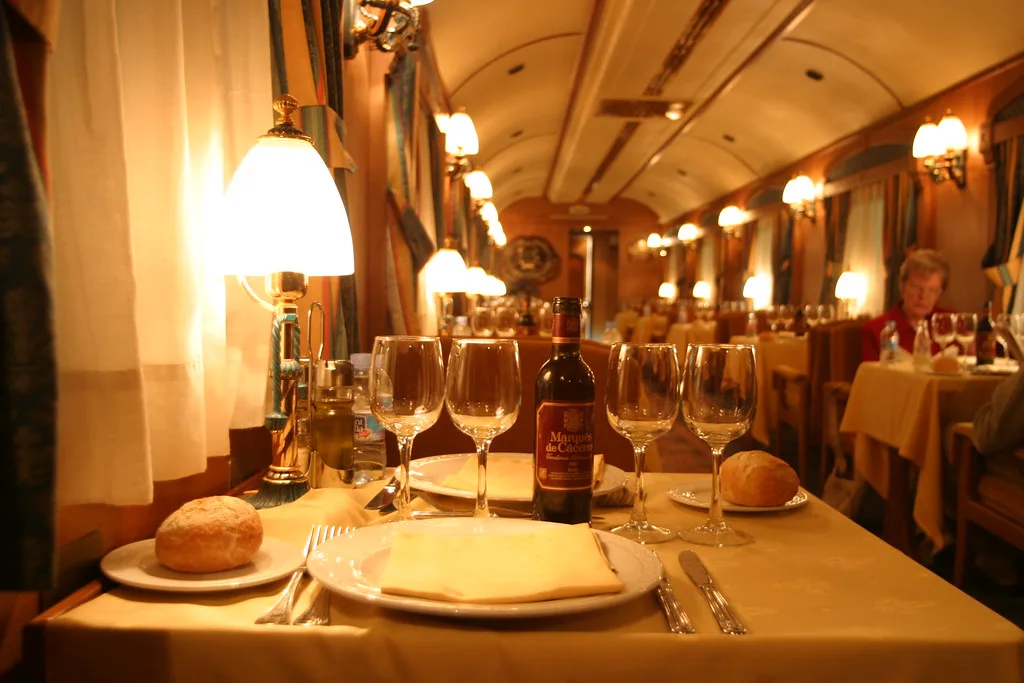
Galician classics worth seeking out
Octopus is the regional signature, and Pontevedra's Casa Fidel O'Pulpeiro shows how seriously Galicia takes it, with the house wine served in traditional Galician china bowls. In Santiago, expect pulpo a la gallega on tapería counters, croquetas in the bars off Rúa do Franco and jamón sliced to order at Casa Pepe.
For sweets, look for tarta de Santiago, the almond cake sold across the city, and keep an eye out for cheesecake at the better bakeries. The wider Santiago de Compostela Food Guide covers the dishes to try across a whole trip.
Wine: Albariño and Rías Baixas by the glass
Santiago sits in the heart of Rías Baixas country, and Albariño is the white to order with oysters, langoustines and anything from the market. Casa Pepe and Pepe Paya both pour local wines by the glass, which is the cheapest way to taste widely without committing to a bottle.
Getting out to a vineyard takes a hire car, and many Rías Baixas estates open to visitors. In 2019 a tour with a flight of three wines started at around 10 euros, which is worth treating as a rough benchmark rather than a current rate.
Casa Marcelo and the higher end
Casa Marcelo is a Michelin-starred restaurant in Santiago de Compostela, serving a fusion of Galician and Japanese cooking with no fixed menu to choose from. That format suits anyone who wants the kitchen to take charge for a longer dinner; book directly with the restaurant for current menus, prices and availability.
If you prefer a longer dinner with a set format closer to the market, Abastos 2.0's indoor menu is the alternative, and it keeps you in the food quarter rather than out on the edge of the old town.
Where to eat by budget
At the bar-counter end, Con Culler's croquetas and a glass at Pepe Paya cover a light meal or a late snack without a booking. In the middle, Mariscomania's cooking service and Altamira's plates give you a proper table, and at the top Abastos 2.0's set menu and Casa Marcelo's tasting format carry the longer, pricier evening.
A mid-range shortlist in the city also includes A Noiesa Casa de Comidas, O Sendeiro and Milongas Parrillada, which appear among Santiago's mid-priced restaurants. Treat review scores as a signal to look closer rather than a verdict, and check each place's own listing for menus and hours.
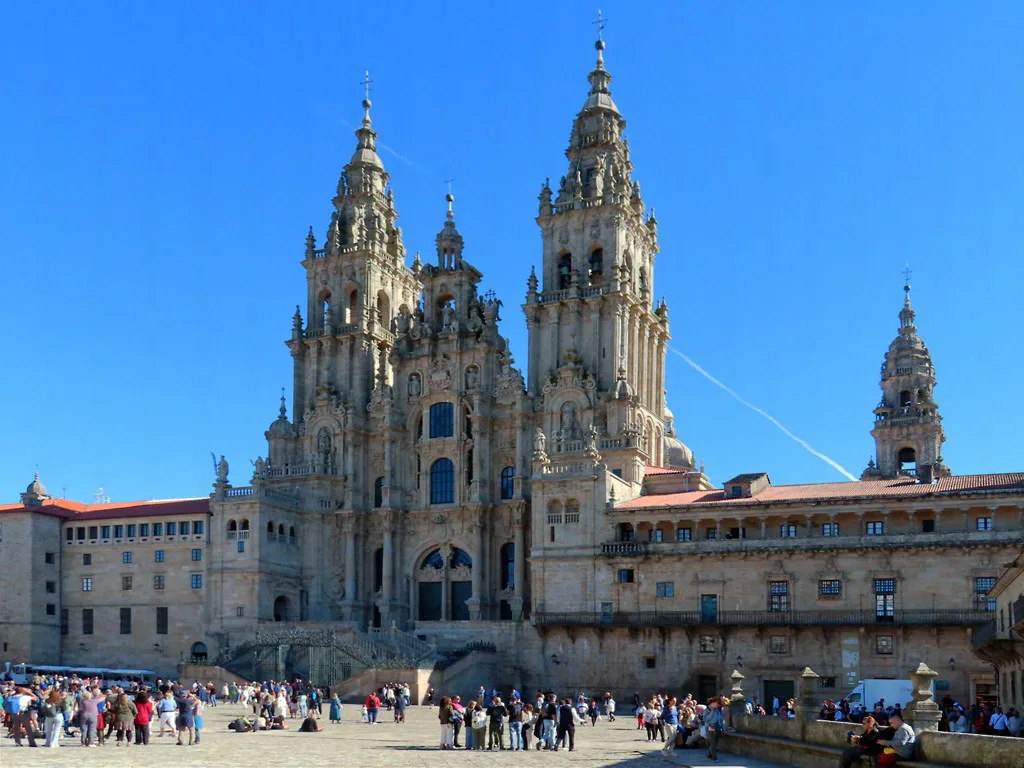
Lunch and dinner timing: how Spanish meal times shape your day
Kitchens here run on Spanish hours: lunch from about 1.30pm to 4pm and dinner from roughly 8.30pm or 9pm. Arriving at 6pm will usually find you in the gap between the two, which is when wine bars and taperías earn their keep.
Plan the market for lunch and a tapería crawl for the evening, and keep one late afternoon free for a wine stop. If you are here in August, heat and pilgrim numbers change the rhythm of the day, so read Santiago de Compostela in August before you fix a schedule.
What to see and do nearby between meals
The cathedral is the obvious anchor, and the walk from the market back up to it passes most of the old town's best bars. Between meals, wander the streets around Rúa do Franco and Rúa de Altamira, which put you within reach of Casa Pepe, Con Culler, Altamira and the market in one loop.
For a fuller plan, pair eating with the city's sights using a Santiago de Compostela itinerary that keeps the market at lunch and the cathedral outside peak hours. How many days in Santiago de Compostela depends heavily on how much of the Camino de Santiago you want to walk.
Practical trade-offs: crowds, pilgrim traffic, booking and walking
Arriving by Camino means arriving with a crowd, and the cathedral square and Rúa do Franco fill quickly in the late morning. Book Abastos 2.0 ahead, take the market counter at Mariscomania when you want flexibility, and expect the loudest tables at Pub Momo, whose garden has views over Belvis Park.
Everything in the centre is walkable, so wear shoes for cobbles and skip the car unless you are heading out to vineyards. If your dates run into autumn, Santiago de Compostela in September and Santiago de Compostela in October give a calmer version of the same eating, and Santiago de Compostela in October also suits a longer stay.
Build in one non-food afternoon: the shopping in Santiago de Compostela around the Casco Histórico covers local food shops as well as clothes. For contrast on another Spanish trip, the best restaurants in Girona and the best restaurants in Alicante show how differently the country eats.
Checklist: what to order on a first visit
Order the croquetas at Con Culler, the jamón at Casa Pepe, a tomato salad at Altamira and whatever the kitchen is cooking from the market at Abastos 2.0. Add a glass of Albariño at Pepe Paya, a plate of pulpo a la gallega somewhere in the old town and a slice of tarta de Santiago to finish.
Eat lunch late, dinner later, and buy jamón or cheese at the market to take home. Check each restaurant's own page for the day's hours and menus before you set out, since those change through the year.
Plan Your Visit
Anchor your eating around the Mercado de Abastos and the streets immediately around it, then add the old-town taperías for the evening. That single loop covers Mariscomania, Abastos 2.0, Altamira, Casa Pepe, Con Culler and Pepe Paya without a taxi or a bus.
Keep Spanish hours, book the market restaurant before you travel and leave a late-afternoon slot for wine. How many days you give the city determines whether you add a vineyard day trip, and a Santiago de Compostela itinerary built around meals will beat one built around sights.
Frequently Asked Questions
Where is the best place to eat in Santiago de Compostela?
The Mercado de Abastos quarter gives you the widest choice in one small area: Abastos 2.0 for market-led cooking, Mariscomania for cooking your own market purchases, and Altamira next to the market for a calmer table. The old town adds Casa Pepe for jamón and Con Culler for croquetas.
What should you order on a first visit to Santiago?
Croquetas at Con Culler, jamón at Casa Pepe, a tomato salad at Altamira and whatever the market has inspired at Abastos 2.0. Add a glass of Albariño at Pepe Paya and finish with tarta de Santiago.
Is the Mercado de Abastos worth visiting for food?
Yes. The 19th-century covered market on Rúa das Ameas is both a shopping stop for jamón and cheese and a base for eating, with a cooking counter and a market restaurant in the same building.
Can you buy seafood at the market and have it cooked?
At Mariscomania you can, for an additional cooking fee on top of what you pay the stalls. Pick your fish or shellfish in the market, then take it in to be prepared, and there is a bar there too.
What time do restaurants in Santiago serve lunch and dinner?
Lunch runs from about 1.30pm to 4pm and dinner from roughly 8.30pm or 9pm. The hours in between are best spent at a wine bar such as Pepe Paya rather than waiting at a closed kitchen.
Where do you eat octopus in Santiago de Compostela?
Look for pulpo a la gallega on tapería menus across the old town, particularly around Rúa do Franco. Pontevedra has the region's most famous octopus specialist, Casa Fidel O'Pulpeiro, if you are travelling further.
How much does a meal at Abastos 2.0 cost?
Menus at Abastos 2.0 follow the market, so ask the restaurant directly for its current set-menu and terrace prices when you book. The dining room runs a set menu indoors, while the terrace works à la carte with oysters, langoustines and tuna tartare.
Is Casa Marcelo Michelin-starred?
Yes. Casa Marcelo holds a Michelin star and serves a fusion of Galician and Japanese cooking with no fixed menu to choose from. Book directly with the restaurant for current menus, prices and availability.
Sources
Notes for eating well in Spain
Optional updates to our guides.
You might also like


Continue reading
More guides you'll find useful