Fuerteventura Markets: Market Days, Towns and What to Buy
Fuerteventura markets are few and spread out: the Caleta de Fuste street market, Puerto del Rosario's agri-food market and Corralejo's shopping street.
On this page
Fuerteventura's markets are few, small and scattered across a long island, so the sensible approach is to pick one town for the morning rather than tour several in a day. Caleta de Fuste holds a street market in a central open space near the seafront, and Puerto del Rosario lists an agri-food market among its shopping addresses. Corralejo does its retail mostly along Avenida Nuestra Señora del Carmen.
Distances decide your plan: the north and south of the island sit almost two hours apart by car, which makes a market crawl across the island pointless on a short break. Choose the town nearest your base, arrive mid-morning, and spend the afternoon on a beach or a short walk. That way a market morning slots into a full day of things to do in Fuerteventura rather than eating it whole.
What Fuerteventura markets are like: small, local and spread across the island
Expect modest scale. These are town markets and shopping streets where residents buy produce and visitors pick up a souvenir, not vast covered halls with hundreds of stalls. That suits a relaxed hour or two with a coffee, and it means you should anchor the outing to something else nearby rather than build a day around it.
The geography does the rest of the work. Fuerteventura stretches almost 100 kilometres from north to south, which is why the island's markets are best treated as one stop in a regional day: a northern market plus dunes, a central one plus a beach, a capital one plus its shopping streets. Budget your driving honestly and you will see more with less frustration.
Caleta de Fuste street market: central open-air stalls near the seafront
Caleta de Fuste is the island's most straightforward market visit. The street market sets up in a central open space close to the resort seafront and main hotels, and it typically runs on Tuesdays and Saturdays, from mid-morning into early afternoon. Treat those as the days to build around and leave exact clock times to a morning check before you set out.
Because the stalls sit in the middle of town, the market pairs easily with the rest of Caleta de Fuste: a seafront walk, a swim, then lunch. It is also the easiest option if you are staying in the centre of the island, where accommodation is plentiful and you can decide each morning whether to head north or south depending on the wind. For a wider look at the resort and its surroundings, our guide to Caleta de Fuste pairs the market with the rest of the town.
Go early in the slot rather than late. Mid-morning gives you the full spread of stalls, cooler air and a better chance of parking before the beach crowd arrives. Bring cash for small purchases and a sun hat, since the market is open-air and the island's wind does not stop the sun burning.
Puerto del Rosario: the Mercado Agrario de Fuerteventura and the capital's shopping streets
Puerto del Rosario is the island's capital and its main shopping town, with pedestrian streets of fashion boutiques and craft shops alongside the Mercado Agrario de Fuerteventura, an agri-food market listed among the town's shopping addresses. It is a different proposition from a resort street market: expect local produce and everyday shopping rather than souvenir stalls aimed at visitors. If you want to compare it with a mainland market scene, our Alicante markets guide shows how a larger Spanish city organises its food halls and street stalls.
Build the visit around the streets as much as the market. Wander the pedestrian centre for crafts and clothes, pick up island produce, then stop for a coffee before the drive back. If you want the full picture of where to shop across the island, from boutiques to craft shops, our shopping in Fuerteventura guide sorts it by town.
One practical warning: Puerto del Rosario is a working capital, so its shopping rhythms follow local life rather than holiday habits. Sunday is not the day to count on shops, and lunchtime can quieten things down. Confirm the day and hours with the town's tourist information before making the drive.
Corralejo: shopping on Avenida Nuestra Señora del Carmen and where to look for markets
Corralejo concentrates its retail on Avenida Nuestra Señora del Carmen, a long pedestrian-friendly street of duty-free shops, clothing stores and restaurants with a beach-town atmosphere. It has the feel of a shopping street rather than a market, so come for browsing, souvenirs and lunch rather than for stalls under canvas.
Small independent shops reward a slower walk. Among the local labels and craft shops you will find island-designed clothing and souvenirs made on Fuerteventura, which make better keepsakes than the generic beach tat sold along the seafront. Several of these shops also have branches in El Cotillo and Lajares, so you can spread the browsing across a northern day out.
If you specifically want a market day in and around Corralejo, confirm the current schedule before you travel, since the resort's market arrangements change and the town's main draw remains the street itself. The town is also the departure point for boats to Isla de Lobos, and the islet is easy to explore in a few hours on foot.

Aloe vera cosmetics and island crafts: useful souvenirs to buy and what to skip
Aloe vera is Fuerteventura's signature souvenir. Cultivation of the plant has been significant in some communities, and cosmetic products made from it remain sought after, but the trade is under pressure from brand piracy and cheap imports, so buy from shops that can tell you where the plant was grown and the product made.
Crafts and food beat novelty gifts. Look for island-designed clothing, ceramics, local cheese and mojo sauces, and skip anything that looks identical to stock sold across the Canary Islands. Cash is useful for small vendors, and a foldable bag saves you buying one.
Pairing a market morning with nearby sights: Corralejo dunes, El Cotillo or the Calderón Hondo
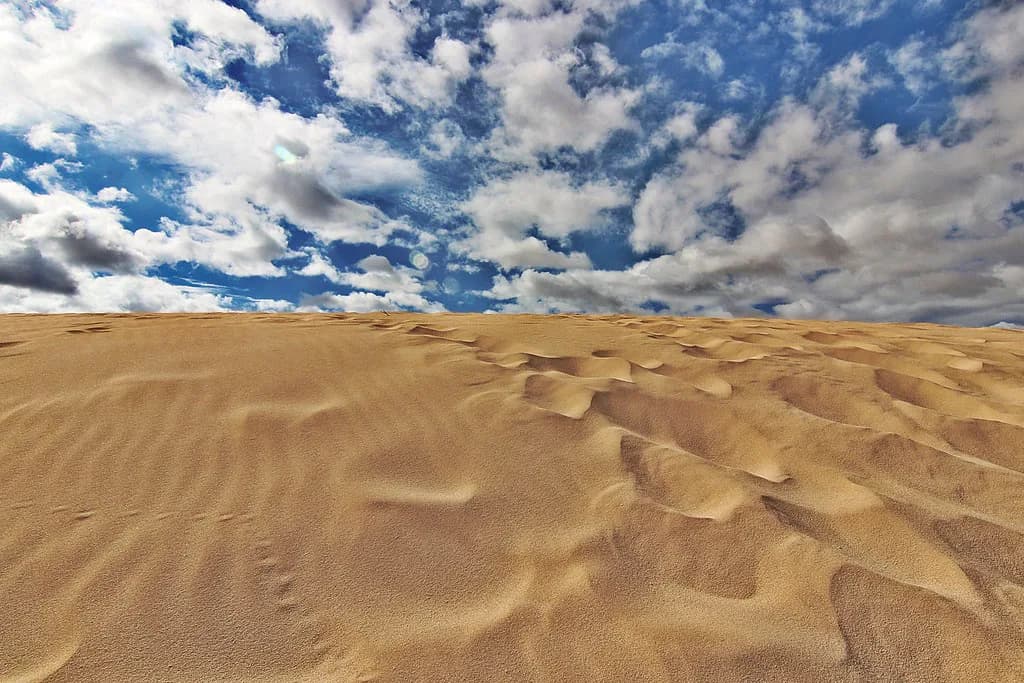
A northern market or shopping morning slots neatly into a day of landscape. The Parque Natural de Corralejo spreads more than ten kilometres of golden dunes along the coast road, formed from shell sand, and the climb up Montaña Roja rewards you with views across to Lanzarote and La Graciosa.
For a shorter add-on, the walk from Lajares to the Calderón Hondo crater runs about 2.8 kilometres and climbs to 278 metres, with a well-preserved rim and wide views over the Bayuyo chain of volcanoes. Combine it with lunch in Lajares or El Cotillo, where the whitewashed fishing village and La Concha beach make an easy afternoon.
If you only have a few days, keep each day to one region and one market. Our Parque Natural de Corralejo guide and the wider things to do in Fuerteventura pages help you match a shopping stop to the right beach or crater walk.
Practical trade-offs: rental car versus buses, wind, and morning versus afternoon timings
A rental car is the practical choice for markets. The island's bus network works but is not as closely meshed as on Gran Canaria or Tenerife, and the long north–south distances make a car the difference between seeing two places in a day and seeing none. Book ahead in peak weeks and check that your insurance covers the island's dirt tracks if you plan to add Cofete.
Wind is the variable you cannot book around. Fuerteventura's breeze is constant enough to make September the least windy month in most years, and strong gusts can make an open-air market, a dune walk or a beach afternoon unpleasant. Check the forecast the evening before and shift your market day if the wind turns.
Mornings are the better bet for stalls and parking, with afternoons better for beaches and longer drives. In summer the interior can reach around 29°C, so an early market followed by a swim beats the reverse. Pack a light windbreaker for the evening whichever month you visit.
Spanish meal times around a market visit: lunch from 1:30pm, dinner from 8:30pm
Spanish meal times shape a market day. Lunch runs from about 1:30pm to 4pm, so aim to finish your browsing by early afternoon and sit down as the kitchens open, rather than hunting for food at 12:30pm. Dinner starts from around 8:30pm to 9pm, which leaves a long gap: plan a late-afternoon coffee or a plate of tapas to bridge it.
After a morning at the stalls, a long lunch is the local rhythm rather than a luxury. Order several small plates to share, ask what is fresh that day, and expect the bill to be modest outside the resorts. Our best restaurants in Fuerteventura guide names places by town if you want a shortlist before you go.
If you are travelling in high summer, expect the heat to push lunch later and dining rooms to fill after 2pm. Our Fuerteventura in July guide covers how the month changes the daily pattern, from beach hours to evening meals.
Plan Around a Market Morning
Treat Fuerteventura's markets as a pleasant half-day rather than the centrepiece of a trip. Pick Caleta de Fuste for a Tuesday or Saturday morning near the seafront, head to Puerto del Rosario for the capital's agri-food market and shopping streets, or browse Corralejo's avenue for local design and craft souvenirs. Confirm the day and hours with the town's tourist office before you drive, since schedules are not fixed year-round.
One more sentence: check opening times locally before you set out, and build the rest of the day around a beach, a crater walk or a long lunch. Our Fuerteventura itinerary maps a week of these combinations if you want the planning already done.
Explore more Fuerteventura guides
Frequently Asked Questions
What day is the Caleta de Fuste market?
The Caleta de Fuste street market typically runs on Tuesdays and Saturdays, from mid-morning into early afternoon, in a central open space near the seafront and main hotels. Confirm the current day with the town's tourist information before making a special trip, as resort schedules can change.
Is there a market in Corralejo?
Corralejo's main shopping is along Avenida Nuestra Señora del Carmen, a long street of shops and restaurants rather than a fixed market site. Check locally for any market running during your stay, and treat the avenue itself as the browsing destination.
What is the Mercado Agrario de Fuerteventura?
It is an agri-food market listed among the shopping addresses of Puerto del Rosario, the island's capital. It sits alongside the town's pedestrian shopping streets, so you can combine produce shopping with crafts and clothes in one visit.
Are Fuerteventura markets worth visiting?
Yes, if you set expectations at town-market scale and pair the visit with something else nearby. They suit a relaxed morning of local produce and souvenirs, and they work best when you build the rest of the day around a beach, a crater walk or a long Spanish lunch.
What souvenirs should I buy in Fuerteventura?
Aloe vera cosmetics, island-designed clothing, ceramics and local food such as cheese and mojo sauces are the sensible picks. Buy aloe products from shops that can explain where the plant was grown and the product made, and skip stock that looks identical across the Canary Islands.
Do I need a car to visit Fuerteventura's markets?
A car makes it far easier, because the markets are spread across a long island and the bus network is not dense. Caleta de Fuste and Puerto del Rosario are the most workable without a car, but allow plenty of time for connections and check the timetable the day before.
What time do people eat lunch and dinner in Fuerteventura?
Lunch runs from roughly 1:30pm to 4pm and dinner starts from around 8:30pm to 9pm. Plan a market morning to finish before lunch service opens, and bridge the afternoon-to-evening gap with a coffee or a plate of tapas.
Sources
- Islote de Lobos Nature Reserve in Spain | spain.info
- Best Things to do in FUERTEVENTURA in One Week | bye:myself
- 3-day break? Here's what to do in Fuerteventura
- Things to do in Fuerteventura: best beaches, towns and secret places - RandomTrip
- Shopping Fuerteventura Fuerteventura puerto-del-rosario ...
- CALETA DE FUSTE STREET MARKET - All You SHOULD ...
Notes for eating well in Spain
Optional updates to our guides.
You might also like
Continue reading
More guides you'll find useful