Fuerteventura Itinerary: 3 Days North to South by Car
A practical three-day Fuerteventura itinerary linking Corralejo, El Cotillo, Betancuria, Cofete and Morro Jable, with driving times and honest trade-offs.
On this page
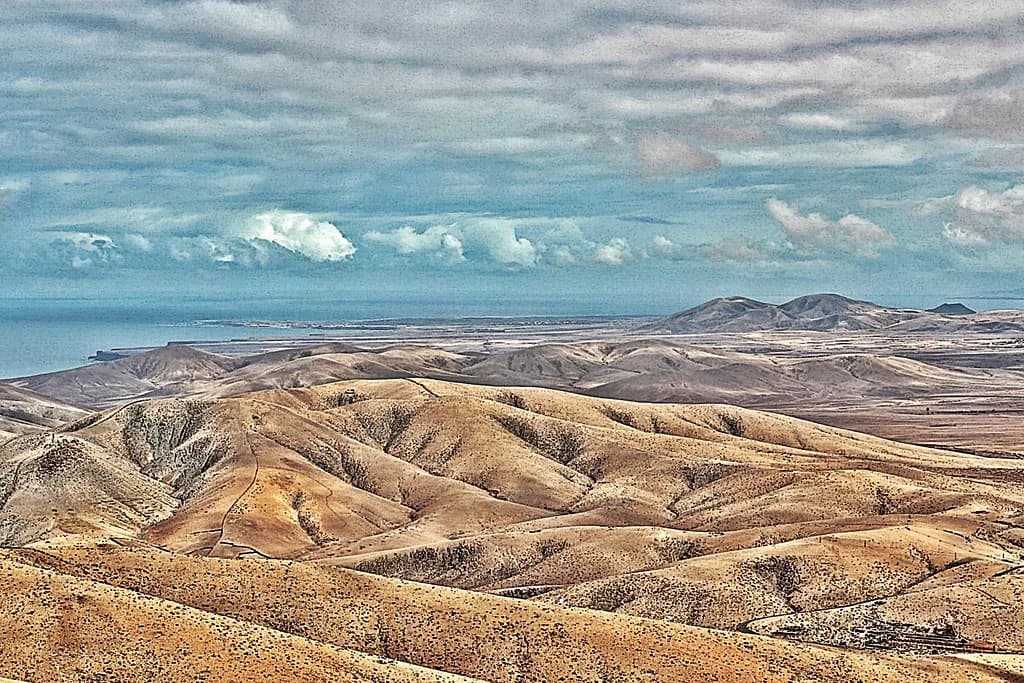
Three days works on Fuerteventura because the island rewards a simple north-to-south line rather than a scattergun approach. Give each day one long drive, base yourself sensibly, and the distances stop feeling like a chore. The plan below runs Corralejo and the northern dunes first, swings inland through Betancuria and Ajuy, then finishes on the wild Jandía peninsula at Cofete and Morro Jable.
A hire car is the difference between a good trip and a frustrating one. Fuerteventura runs almost two hours by road between north and south, so splitting your stay between two bases beats backtracking every evening. If you have only two days, cut the inland day and keep the north and the south; with five days, add a slower beach day and a second look at the centre.
Getting Around: Hire a Car and What the Distances Mean
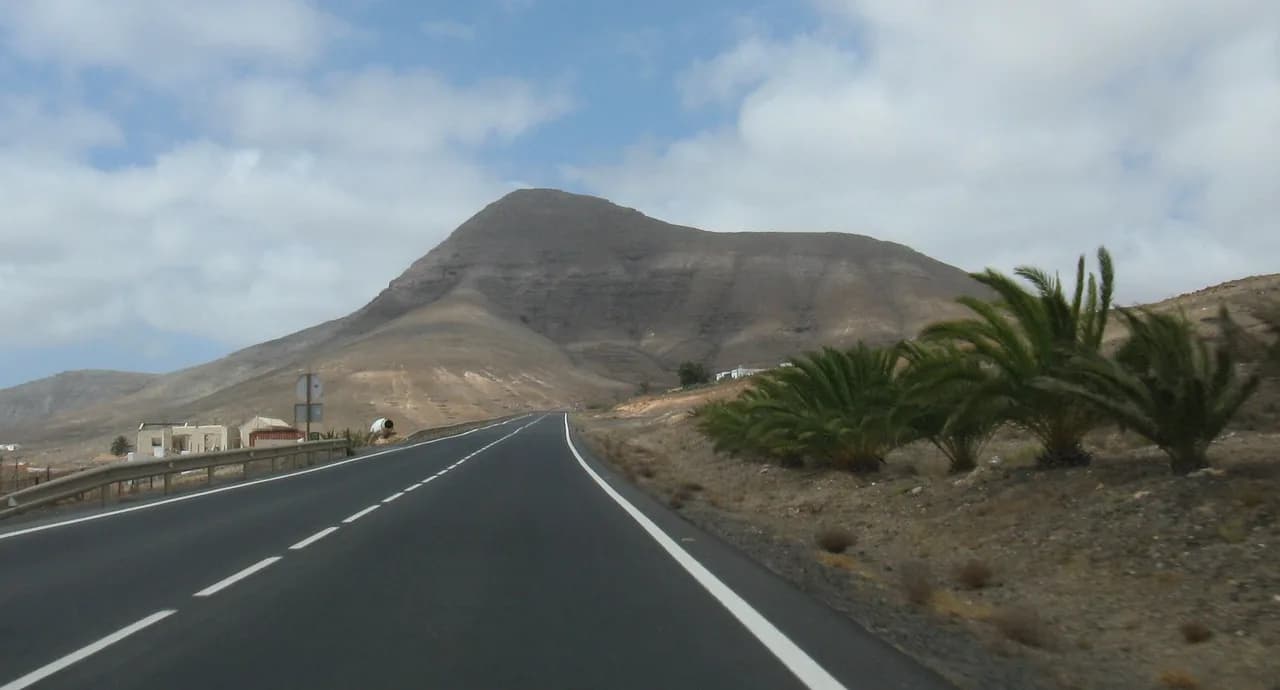
Distances on Fuerteventura are modest in kilometres but slow in practice, and public transport will not get you to the wilder beaches. Hire a car at the airport and treat the FV-1 and FV-2 as your spine: the north clusters around Corralejo and El Cotillo, the centre around Betancuria, Antigua and Ajuy, the south around Morro Jable and the Jandía peninsula.
Two practical rules shape the plan. First, refuel when you pass a station, because the interior stretches have long gaps. Second, drive the Cofete access road only if you are comfortable on unsurfaced tracks, and check your hire agreement covers dirt roads before you commit, since many policies exclude them.
If you would rather not move hotels, Caleta de Fuste sits roughly equidistant from north and south and gives you a wide choice of accommodation, so you can pick a coast each morning based on the wind. The trade-off is that every day starts with a drive of an hour or more.
Day 1 – North: Corralejo Dunes, Old Town and Plaza Patricio Calero
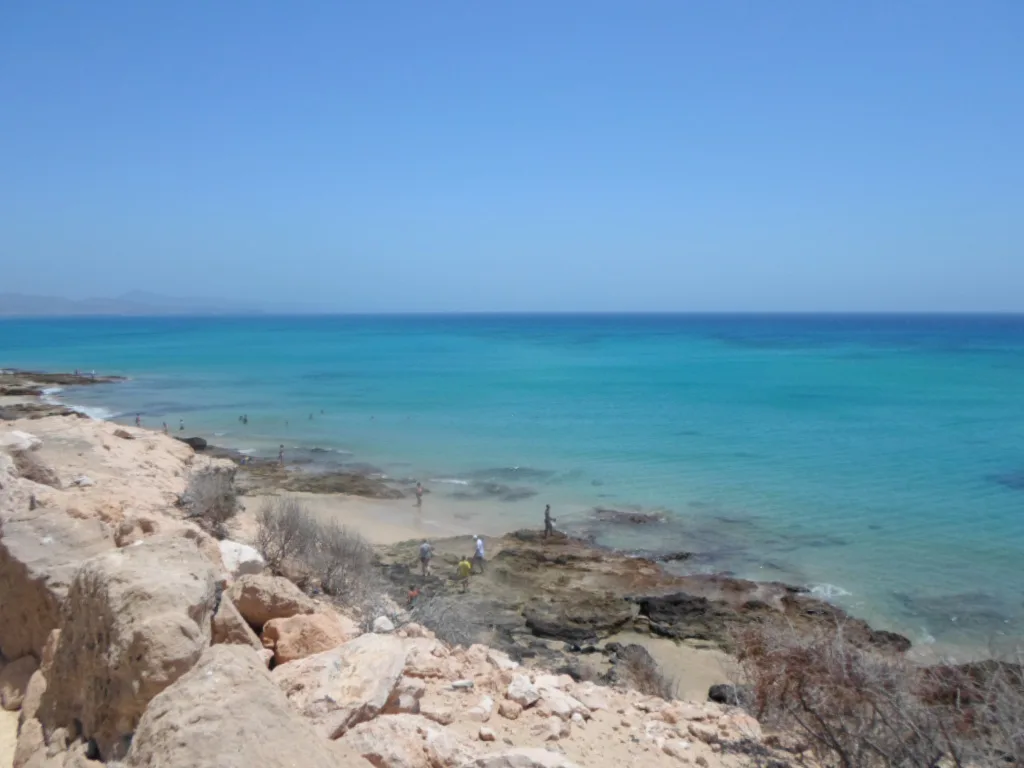
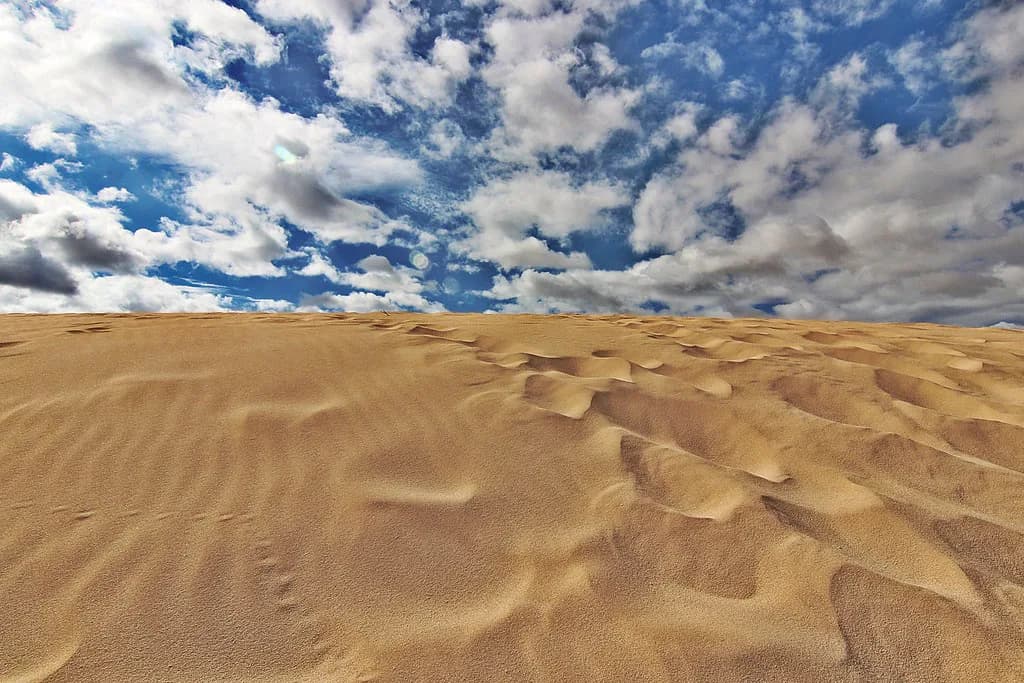
Start in Corralejo, where the Parque Natural de Corralejo spreads roughly 2,600 hectares of sand along the coast, the largest dune field in the Canary Islands. Walk the dunes early, when the light is low and the wind gentler, then swim at one of the beaches inside the park.
Corralejo old town is compact and best done on foot. Plaza Patricio Calero is the social heart of the town, ringed by bars and restaurants and the obvious place to settle for a late lunch. Spanish lunch service runs roughly 1:30pm to 4pm, so aim to be seated by 2pm rather than turning up at five and finding kitchens closed.
Acua Water Park is a straightforward family alternative if the wind picks up and the beach stops appealing. If you are travelling with children, this is the day to use it, since the rest of the itinerary is short on entertainment built for them.
Day 1 Add-On: Isla de Lobos by Ferry from Corralejo Port
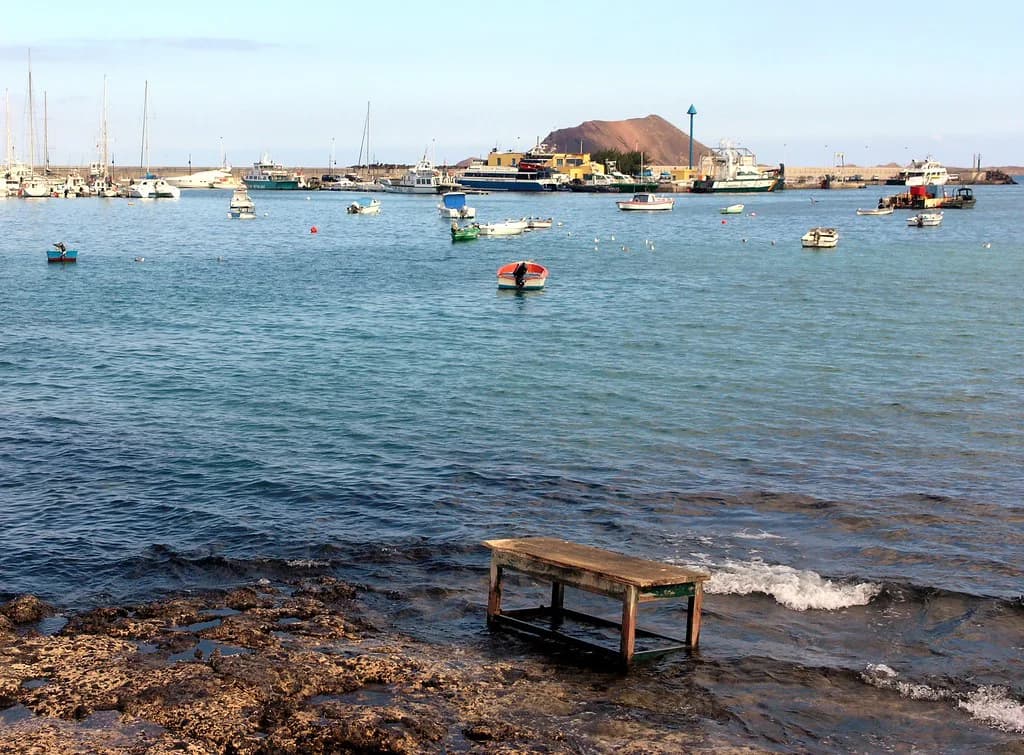
Boats leave Corralejo port for Isla de Lobos and the crossing takes about 15 minutes, which is why the islet pairs neatly with a Corralejo morning rather than a day of its own. Book ahead: visitor numbers are capped and advance permission is required for independent visits, which cannot be requested more than three days in advance.
The constraint that shapes your afternoon is the four-hour limit on time ashore, imposed to protect the landscape. That is enough for Playa de la Concha, a walk to the Caldera viewpoint and the Martiño lighthouse, but not for a lazy full day. Pick the earlier crossing if you want El Cotillo for sunset.
Day 1 Finish: El Cotillo, Fresh Fish and the Tostón Lighthouse
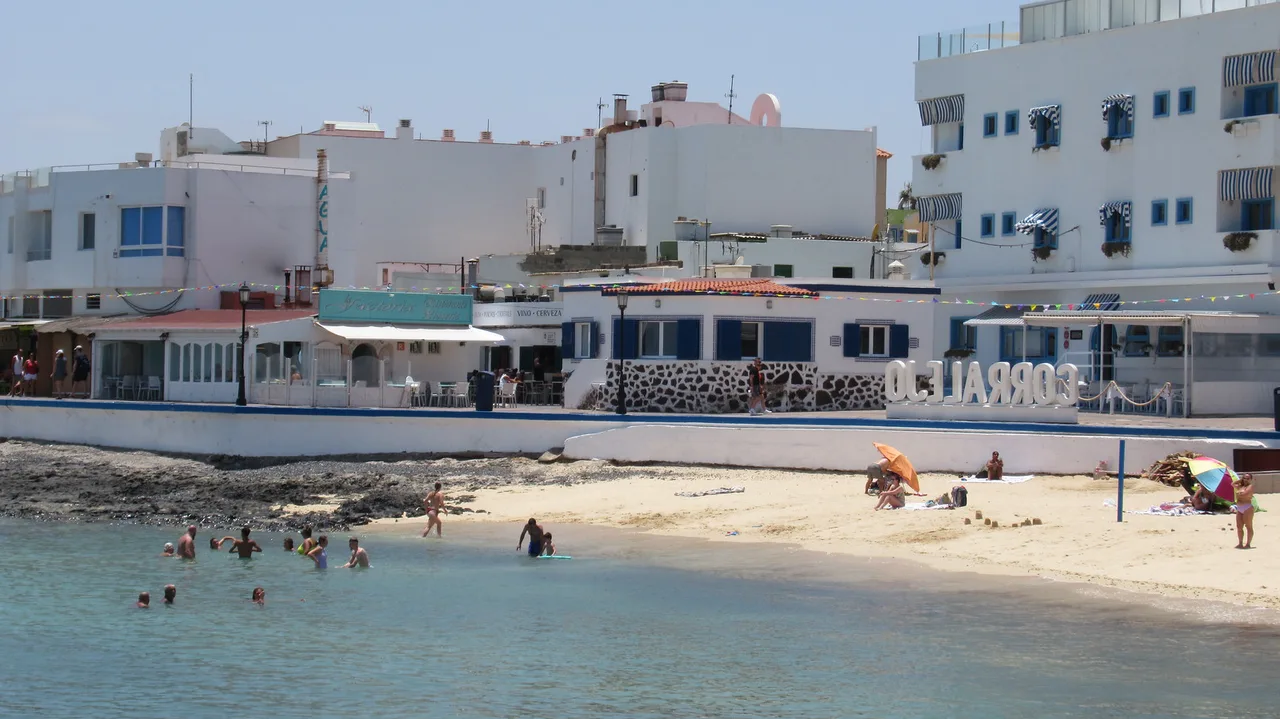
El Cotillo is a fishing village in the municipality of La Oliva, and the natural end to a northern day. Order fresh fish with papas arrugadas, the wrinkled salt-crusted potatoes, at a seafront table; the town's restaurants are where the local catch is best represented. Dinner starts late here, from about 8:30pm to 9pm.
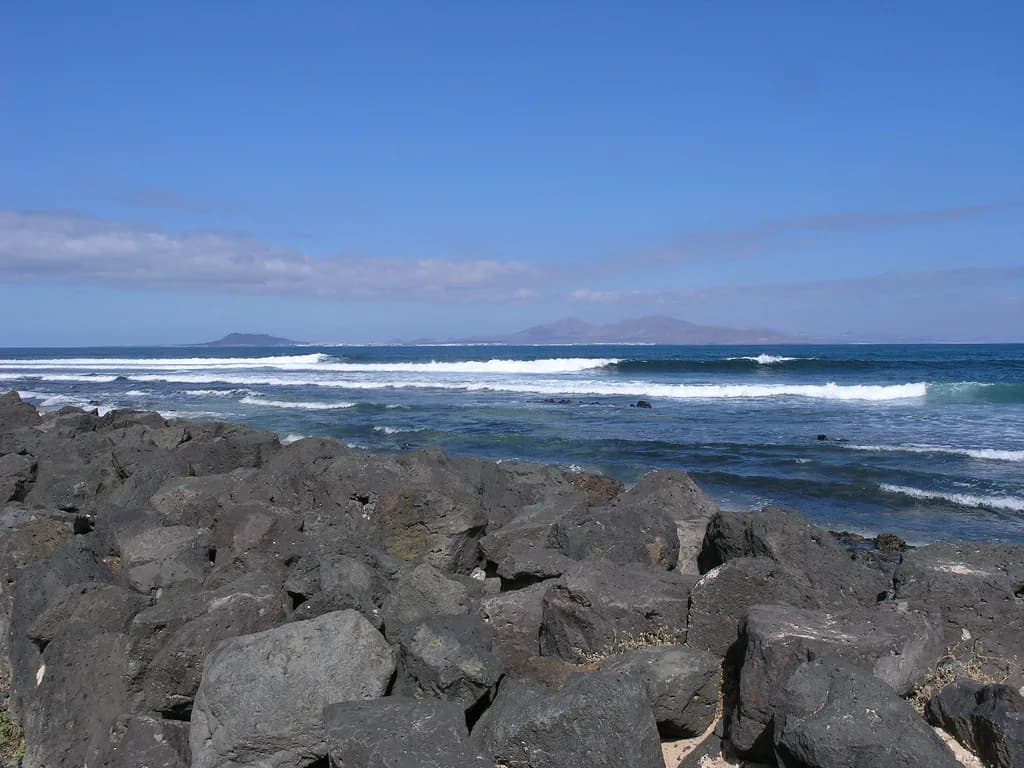
Time your evening so you finish at the Tostón lighthouse, on the coast just north of the village, for sunset. La Concha beach on the village side is sheltered and calm, a sensible swim if the northern beaches are blowing a hoolie.
Day 2 – Inland: Betancuria's Historic Quarter
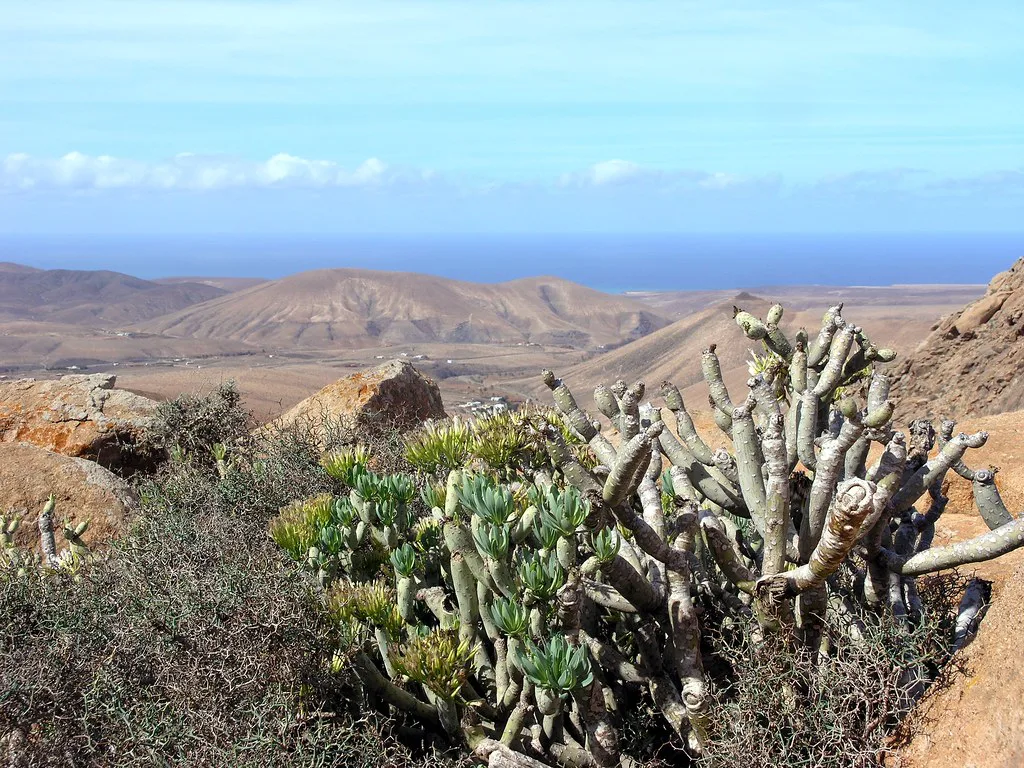
Betancuria was the island's historic capital and its old quarter keeps the traditional Canarian architecture that the coastal resorts lack. The Iglesia de Santa María de Betancuria is the main sight, mixing Baroque, Gothic, Renaissance and Mudejar elements inside and out. The Monasterio de San Buenaventura and the archaeological museum round out a couple of hours on foot.
Stop for Majorero cheese while you are inland. The island's goat's cheese is its flagship food and has collected international awards, and the cheese museum at Antigua makes an easy pause on the road between the centre and the coast.
Nearby, the Arco de las Peñitas and its viewpoint give you a short walk and a wide view over the interior valleys without eating the afternoon. If you are visiting in july, expect heat inland by midday and shift the walk earlier.
Day 2 Afternoon: Ajuy Cliffs, Black Sand and the Cave Route
Ajuy, on the west coast, is famous for its cliffs and black volcanic sand, and it makes a compact, dramatic afternoon. The Ajuy cave route is the highlight: a walk along the coast to sea caves cut into the basalt, with a visitor centre in the village explaining the geology, history and culture of the area.
Wear proper shoes rather than flip-flops, since the path to the caves is uneven and the cliffs are unfenced in places. Keep children close and skip the caves entirely if the sea is running high.
You can finish the day in Pájara, a small inland village with the Nuestra Señora de la Regla church, traditional streets and hiking trails starting nearby. It is a quiet stop rather than a big-ticket sight, and that is the appeal.
Day 3 – South: Cofete Beach and the Dirt-Track Trade-Off
Cofete is the reason many people drive south. The beach runs roughly 12 to 14 kilometres along the Jandía Nature Reserve, backed by mountains and with no development, no shade and no facilities. Bring water, food and wind protection, because there is nothing to buy once you are there.
The trade-off is the access road. Much of it is a rough dirt track and not every driver, or every hire car policy, is suited to it. If you are unsure, join a guided excursion instead, or take the surfaced approach to the viewpoint and enjoy Cofete from above.
Day 3 Add-On: Casa Winter and the Degollada Agua Oveja Viewpoint
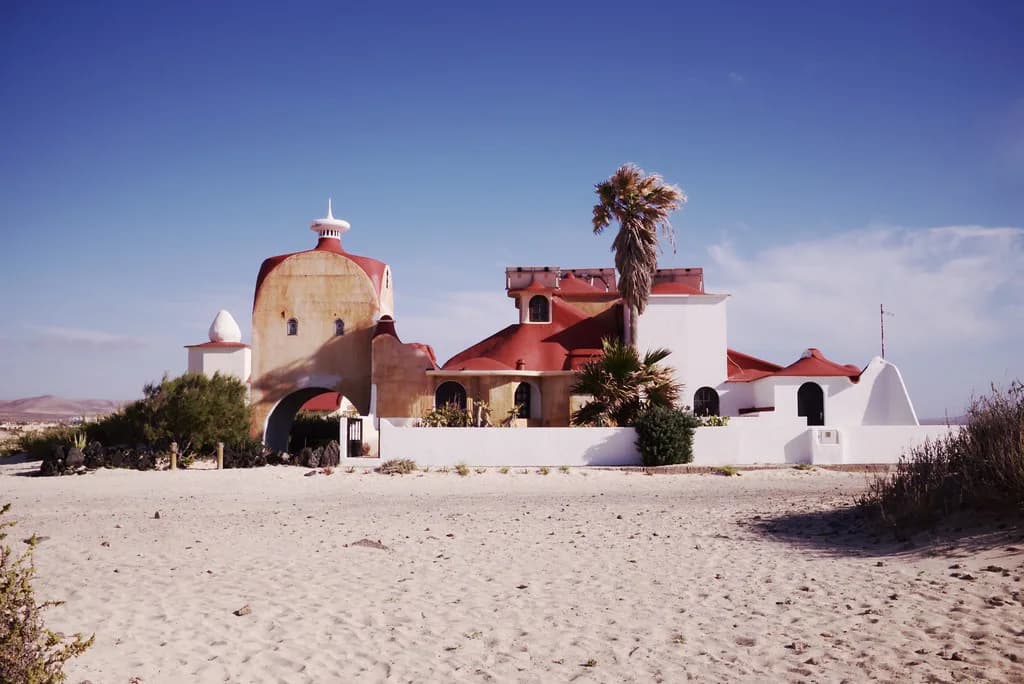
Casa Winter, the turreted villa with crocodile gargoyles on the Jandía peninsula, sits near Cofete and comes with a murky history: the official line is that a German engineer built it as a summer residence, while other accounts link it to wartime Germany. The published visiting hours are 10:00 to 14:00 and 15:00 to 17:00 daily; confirm they still stand before you build the day around them.
The Degollada Agua Oveja viewpoint, at 230 metres above sea level, gives you the full sweep of Cofete and its mountains without committing to the track. It is the honest alternative if the road or the wind puts you off, and the photographs are arguably better.
Day 3 Finish: Morro Jable and the Punta del Matorral Lighthouse
Morro Jable is about 40 minutes by car from Cofete and makes a sensible final base for the south. The town pairs a working harbour and long beach with the Saladar de Jandía, a protected wetland, and the church of Nuestra Señora del Carmen.
Walk out to the Punta del Matorral lighthouse at the end of the day for an easy, flat leg-stretch after the driving. Eat late: dinner from 8:30pm to 9pm is normal, and the fish is the thing to order.
Where to Base Yourself
Corralejo in the north has the most restaurants and bars and puts you next to the dunes, which suits a short break. El Cotillo is quieter and more village-like, while Lajares inland is the island's creative pocket. For the south, Morro Jable or nearby Playas de Jandía work well for beach time.
A split stay is the best answer to the distances: two nights north, one or two nights south, rather than a single base and repeated two-hour drives. If you prefer one base, Caleta de Fuste in the centre lets you choose a coast each morning depending on the wind.
When to Go: Wind, Seasons and the Best Window for Beaches
Fuerteventura's subtropical climate makes it a year-round destination, with spring and autumn offering milder temperatures and fewer visitors. Summer brings the warmest weather and the best conditions for swimming, while winter still allows most outdoor activity and escapes the cold further north.
Wind is the variable that decides your beach days. The island is a windsurf and kitesurf destination for a reason, and September is typically the least windy month, which is why the window from september into october and november suits sunbathers best. Surfers get softer waves in summer and stronger ones from October to December.
Check the wind forecast the night before and be ready to swap coasts: the sheltered south often works when the north is blowing. In august, coastal accommodation and beaches fill up, so book ahead; in october the sea is still warm and the crowds thin.
Eating on the Itinerary: Majorero, Fish and Spanish Meal Times
Build your day around Spanish meal times rather than fighting them. Lunch runs 1:30pm to 4pm and dinner starts around 8:30pm to 9pm, so a big midday meal after a morning walk and a light late supper after sunset is the natural rhythm. Between those windows, kitchens close and you are limited to a coffee and a tostada.
Order the island's own food: Majorero cheese, fresh fish with papas arrugadas, and the local goat. In Corralejo, El Cotillo and Morro Jable the harbours and seafront streets are where the fish restaurants cluster, and it pays to book in high season.
Markets are a good lunch stop on driving days, and they double as a place to buy cheese and picnic supplies for Cofete, where there is nowhere to eat. Check days and times locally before you set out.
Two-Day and Five-Day Variations
With two days, drop the inland day and run north then south: dunes and El Cotillo on day one, Cofete and Morro Jable on day two. You will spend more time in the car but see the island's two defining landscapes. If you prefer a shorter trip built around a single inland town, a Ronda itinerary shows how to structure two or three days without constant driving.
With five days, slow everything down. Give Isla de Lobos a full afternoon, add a second beach day on the north coast, and take the time to eat properly rather than grabbing lunch between stops. If you are weighing up a longer trip, the difference between three and four nights is mostly beach time rather than new sights.
What to Skip, and Why
Skip anything that requires a long detour for a single photograph, and skip camel rides at the dunes. The island's real pull is the coast and the interior villages, and the long drives eat your day if you chase too many small stops.
If you only have three days, treat the far west and the southern wild beaches beyond Cofete as optional rather than essential. You will see enough of Fuerteventura without the extra hours behind the wheel.
Practical Kit: Clothing, Wind and the Car
Pack summer clothes for the day and a windbreaker for the evening, even in winter, when nights drop to around 12°C and a sweatshirt earns its space. Add closed shoes for the Ajuy cave path and the Cofete track, and reef-safe sun cream for the beaches.
Carry cash for small village bars and market stalls, and confirm your hire policy covers unsurfaced roads before driving to Cofete. Pick up water and food before the southern stretches, where services are sparse.
Plan Your Visit
Three days on Fuerteventura works if you keep one long drive per day: north for dunes and El Cotillo, inland for Betancuria and Ajuy, south for Cofete and Morro Jable. Hire a car, book Isla de Lobos ahead, and decide on the Cofete track honestly rather than on impulse.
Check current ferry times, visiting hours and road conditions directly with the ferry companies and the Cabildo before you travel, since these change with season and weather. If you are coming from the UK, the one-hour time difference with mainland Spain does not apply here: Fuerteventura keeps the same time as the UK.
Frequently Asked Questions
How many days do you need in Fuerteventura?
Three days is enough to see the north, the inland villages and the south if you hire a car, with one long drive each day. Five days lets you slow down, add a full afternoon on Isla de Lobos and still have beach time. Two days means choosing between the northern dunes and the southern Jandía peninsula.
Is a car necessary for a Fuerteventura itinerary?
For this itinerary, yes. Public transport will not reach Cofete, the Ajuy caves or the quieter beaches, and the island runs almost two hours by road from north to south. Hire a car and check that your policy covers unsurfaced tracks before driving to Cofete.
Can you drive to Cofete beach?
You can, but much of the access road is a rough dirt track that not every driver or hire car policy is suited to. The alternative is a guided excursion or the surfaced approach to the Degollada Agua Oveja viewpoint, which gives you the full view without the track.
Is Isla de Lobos worth a day of the itinerary?
It is worth an afternoon rather than a whole day. The ferry from Corralejo takes about 15 minutes, and visitors are limited to four hours ashore, enough for Playa de la Concha, the Caldera walk and the Martiño lighthouse.
Where should you stay for a three-day Fuerteventura trip?
Split your stay: two nights in Corralejo or El Cotillo for the north, then one night in Morro Jable for the south. If you prefer a single base, Caleta de Fuste in the centre lets you choose a coast each morning, at the cost of a daily drive.
When is the best time to visit Fuerteventura?
Spring and autumn bring milder temperatures and fewer visitors, and September is typically the least windy month, which suits beach days. Summer is warmest for swimming, while winter still allows most outdoor activity and escapes colder weather further north.
Sources
Notes for eating well in Spain
Optional updates to our guides.
You might also like
Continue reading
More guides you'll find useful