Málaga in September: Weather, Crowds and What to Do
Málaga in September brings warm sunny days, a sea still good for swimming and calmer streets after August, plus beaches, tapas and easy day trips.
On this page
Málaga in September gives you the city at its most usable: long sunny days, warm water for swimming and a calmer version of the old town once the August peak has passed. The month works equally well for a short city break in Centro and a slower beach-based stay out in Este. What it rewards is a plan built around Spanish meal times rather than a checklist of sights.
Why September suits Málaga
The main draw is the combination: summer weather that has not yet broken, a Mediterranean that still invites a proper swim, and streets that feel less compressed than in the August peak. Málaga is one of Europe's sunniest cities, with around 300 days of annual sunshine, so September is unlikely to hand you a washout. The trade-off is that the Centro remains busy and popular sights still draw queues, so start early or save them for late afternoon.
What the weather is like in September
Expect warm, dry days and coastal breezes that take the edge off the heat, which is why the city stays more comfortable than inland Andalusia. July is the hottest month, with highs around 34°C, and September sits on the softer side of that, closer to the pattern described in this summary of September in Málaga. Rain is a winter concern rather than a September one, with March the wettest month on average.
What to pack and how to pace the day
Pack for heat with a light layer for breezy evenings, comfortable shoes for cobbles and a refillable bottle for the walk up to the castles. The sensible rhythm is an early sight, a long lunch in the shade, a museum or a siesta through the hottest hours, then the beach or a late climb to Gibralfaro. That structure also puts you in the right place for dinner, which rarely starts before 8:30pm.
Beaches: La Malagueta and Pedregalejo
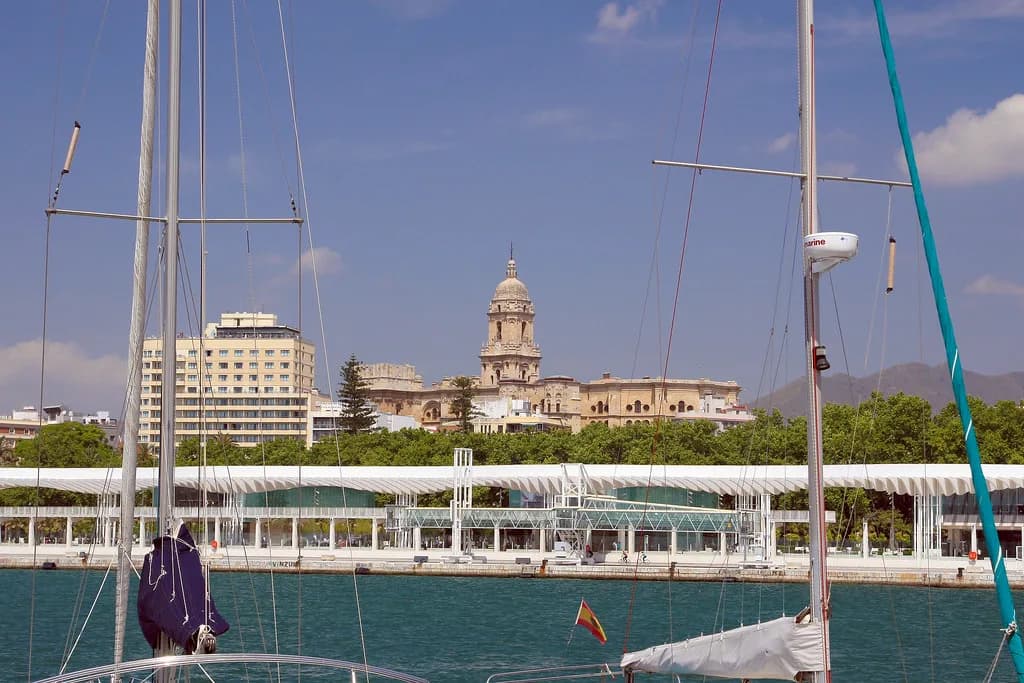
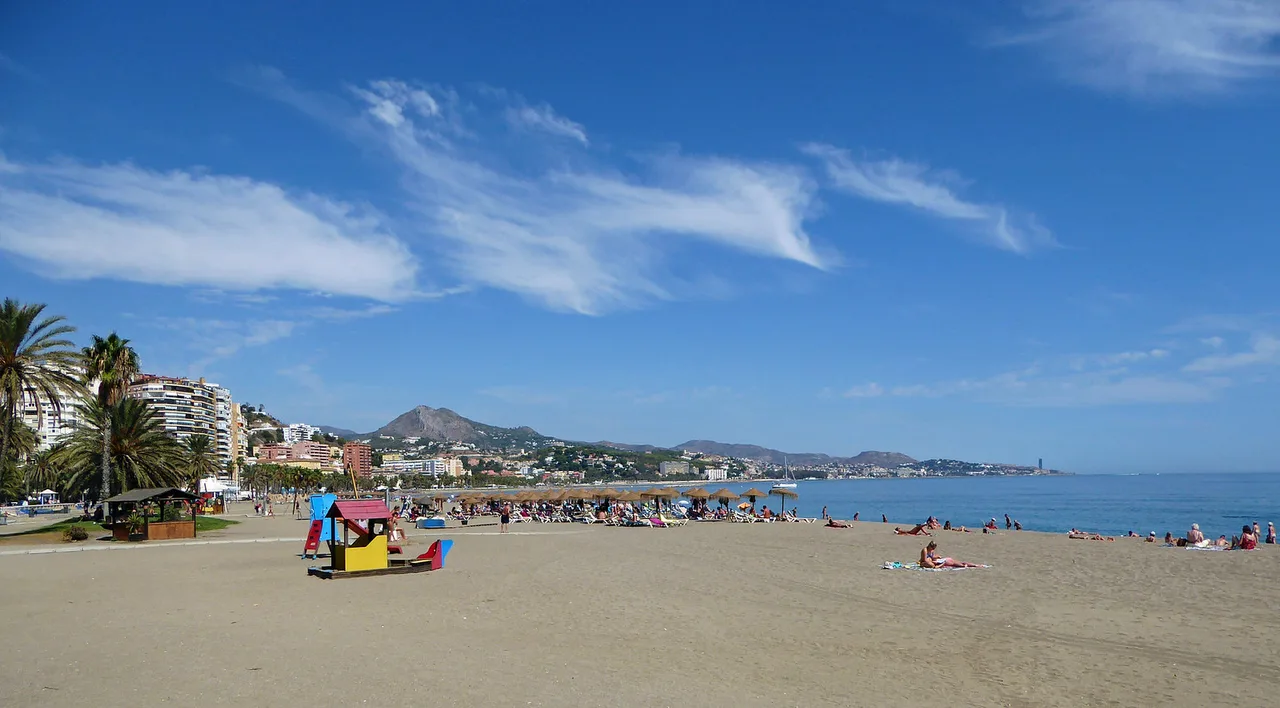
La Malagueta is the easy choice: central, Blue Flag awarded, with a promenade lined with chiringuitos and a playground that makes it work for families. For quieter shores and the city's better seafood, head east to Playa Pedregalejo, where the pace drops and lunch is the main event. Both are public beaches and free to use, and if you are weighing up July instead of September, the same coastal logic applies to malaga in july. If you are deciding between stretches of the coast rather than months, alicante in september offers a comparable read on beach weather and crowds.
Where to eat in September
Start with the tapas bars along Calle Granada for gambas en gabardina, the battered prawns, and croquetas, then follow the coast east for grilled seafood in El Palo. For a splurge, the waterfront at Muelle Uno includes the Michelin-starred Jose Carlos Garcia, while El Refectorium Catedral pairs modernised tapas with a view of the cathedral. Mercado de la Merced in Centro is the stop for fresh fish, cheese and cured ham.
What a meal costs
Málaga can be as cheap as you want it to be, and the useful anchors are an inexpensive meal for around €12 and a coffee or beer for around €3. Short taxi rides start at about €5, which matters if you are based in Este and eating in Centro. Keep a little cash handy for markets, and expect to pay more on the Muelle Uno waterfront than in the neighbourhood bars.
Spanish meal times and how they shape a September day
Lunch runs from about 1:30pm to 4pm and dinner starts around 8:30pm to 9pm, which leaves a long, hot middle of the day to fill with a museum, the beach or a shaded terrace. Book the day around that rhythm rather than fighting it: a late breakfast, a proper lunch, a light evening. If you want a sit-down dinner at 7pm, you will mostly find bars serving drinks and small plates.
Centro on foot: Alcazaba, Roman theatre and Plaza de la Constitución
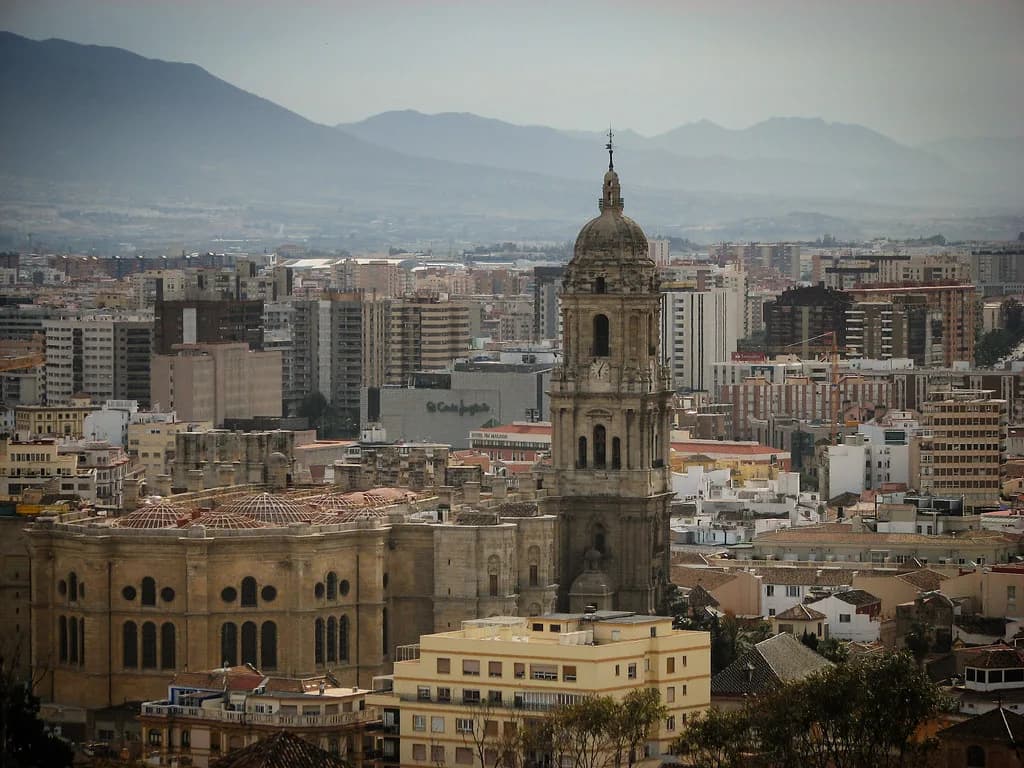
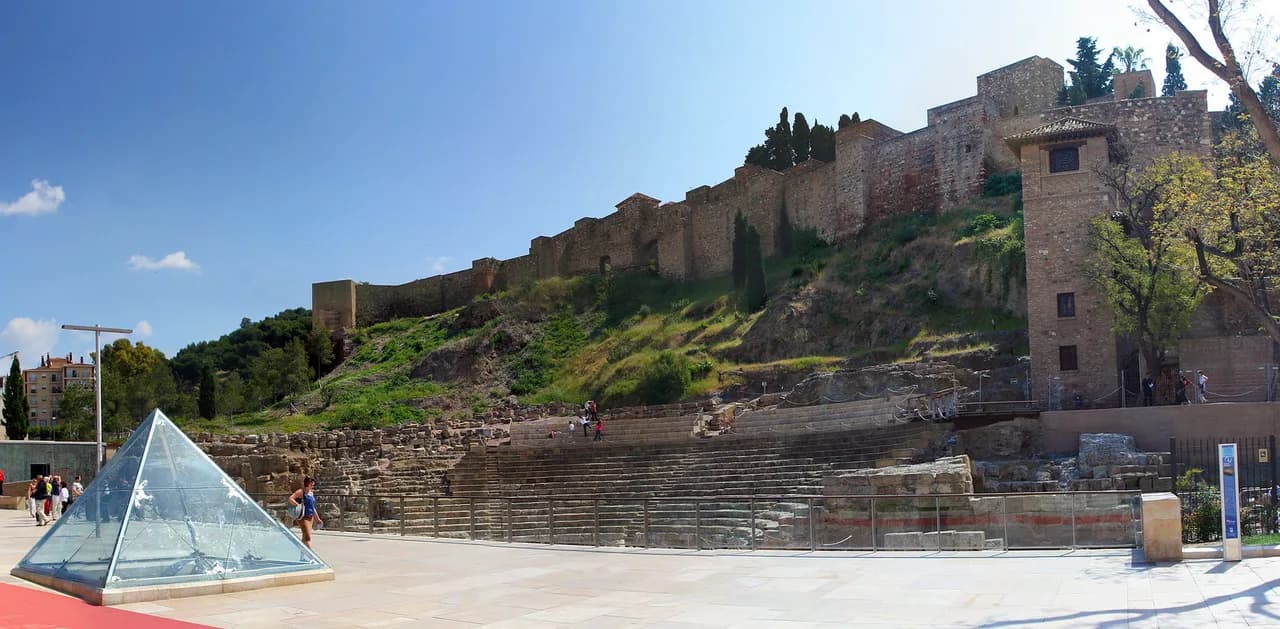
Most paths in the old town lead to the grand Plaza de la Constitución, which makes Centro easy to navigate on foot. The Moorish Alcazaba, with its fountains, orange trees and courtyard gardens, is the standout sight, and the Roman theatre sits at its foot. Wander the cobbled lanes up to the fortress walls early, before the heat and the crowds build, and sketch the rest of the trip against our guide to how many days in malaga.
Gibralfaro at sunset and Paseo del Parque
Time a visit to Castillo de Gibralfaro for sunset, when the views from the ramparts stretch over the port and the city. Below it, Paseo del Parque is a free wander among fountains and sculptures, and the seafront promenade at El Palmeras de las Sorpresas is another no-cost way to end the day. Both are good options when you want to be outside without committing to a long walk in the heat.
Culture for hot afternoons
The Picasso Museum and the Centre Pompidou Málaga, a giant Rubik's Cube of a building on the waterfront, are the two obvious choices for the hottest hours. The Automobile and Fashion Museum pairs vintage hats with Ferraris, which suits a mixed group. A Málaga Pass lets you skip queues at the museums if you plan to do several in one trip.
Free things to do
Many museums, including the Alcazaba, offer free entry for the last few hours of opening on Sundays, so a late afternoon slot can be both cooler and cheaper. Public beaches cost nothing, and the seafront promenade and Paseo del Parque are free to walk. Confirm the current free-entry times with each museum before you build a day around them.
Day trips: Caminito del Rey, Ronda, Setenil and Nerja
The Caminito del Rey, a 3km path above the El Chorro gorge, is mostly level and easy to walk, with entry from around €10 per person and a normal Monday closure; treat that price as indicative and confirm tickets before you go. El Torcal de Antequera, a UNESCO-listed limestone landscape, runs guided tours from around €10 per person. Ronda is about 90 minutes from Málaga, Setenil de las Bodegas is nearby, and a short bus ride up the coast reaches Nerja.
September events and the end of the Feria de Agosto crowds
Feria de Málaga, also called the Feria de Agosto, is a week-long August event with flamenco, sherry, fireworks and fiestas, so by September the city has moved past that peak. September still fills with open-air events and long, sunny days that suit hiking and swimming, but exact dates vary by year, so the city's official event calendar is the place to look for what falls in your week.
Getting around Málaga
Walking is the best way to cover Centro, and if you stay there most sights are within a stroll. The Málaga Metro runs from María Zambrano station, which also connects trains and buses for the airport and day trips, and rechargeable travel cards are available. Taxis are easy to hail and short rides start at about €5, which is worth knowing if you are splitting your stay between Centro and Este.
Honest trade-offs: heat, crowds and choosing a base
September is still hot, and the Centro stays tourist-heavy, so a base in Pedregalejo or El Palo in Este buys you calmer streets, a fishing-village feel and easier access to the beach at the cost of a metro or taxi ride into the old town. Centro gives you convenience and the museums on your doorstep but busier evenings. If you are weighing up how long to stay, a city break of a few nights covers Centro well, while a week or more justifies a car for the coast and inland day trips.
Plan Your September Trip
September gives you the best of both sides of Málaga: beach weather without the August crush, and a city that still runs at holiday pace. Build the day around a late lunch and a late dinner, put the castles and the old town in the morning or at sunset, and keep the hottest hours for a museum or the sea. Check current opening times and ticket prices for the Caminito del Rey and the museums before you lock in your days.
Explore more Málaga guides
Frequently Asked Questions
What is the weather like in Málaga in September?
Warm and mostly sunny, with coastal breezes that keep the city more comfortable than inland Andalusia. Málaga sees around 300 days of sunshine a year, and rain is more a winter feature, with March the wettest month on average.
Is September a good time to visit Málaga?
Yes. The August peak has eased, the sea is still good for swimming, and long sunny days suit both sightseeing and the beach. The Centro remains busy, so start early or save the popular sights for late afternoon.
Can you still swim in the sea in Málaga in September?
The Mediterranean stays inviting through September, and the city's public beaches at La Malagueta and Pedregalejo are free to use. Sea conditions vary day to day, so check locally before a long swim.
Is Málaga cheap or expensive in September?
It can be as cheap as you want it to be, with inexpensive neighbourhood bars and pricier waterfront restaurants at Muelle Uno. Compare menu prices in person, and keep a little cash for markets.
What should you do in Málaga in September?
Pair a morning at the Alcazaba and the Roman theatre with a long lunch, then use the hot afternoon for the Picasso Museum or Centre Pompidou Málaga. Time Gibralfaro for sunset and eat dinner from around 8:30pm to 9pm.
How many days do you need in Málaga?
A few nights covers Centro on foot, and a week or more lets you add beaches and day trips such as Ronda, Setenil de las Bodegas, Nerja, the Caminito del Rey and El Torcal de Antequera.
Sources
Notes for eating well in Spain
Optional updates to our guides.
You might also like
Continue reading
More guides you'll find useful