Málaga in August: What to Do and What to Skip
Málaga in August brings 31–35°C days, near-zero rain and very high crowds. Time sightseeing, beaches, meals and the Feria around the heat.
On this page
August in Málaga is the hottest, busiest and most expensive month of the summer, and the city rewards a split schedule rather than a list of attractions. Daytime averages sit at 31–35°C and often push past 36°C, rain is near zero and the sea reaches 24–25°C, so mornings and late evenings carry the sightseeing while the middle of the day belongs indoors.
It is also a month when the city changes shape: many Spanish businesses take summer holidays, so a few neighbourhood restaurants shut with a handwritten vacaciones note on the door, while the Feria fills the streets and the fairground for roughly a week. If your trip is still taking form, start with how many days in Malaga you can realistically fill before you book flights.
What August in Málaga is actually like: heat, sunshine and sea temperature
Expect average daytime temperatures of 31–35°C, night-time averages of 23–25°C and virtually no rain, with sunset falling around 8:45–9pm by the end of the month. A coastal breeze off the Mediterranean takes the edge off the evening, but the old town's stone streets hold the heat through the afternoon like an oven.
The sea is at its warmest of the year at 24–25°C, which makes swimming genuinely comfortable rather than bracing, and the long daylight hours let you push dinner late without losing the evening. Pack loose linen, a proper high-factor sun cream and more water than feels necessary if you plan to walk uphill.
August is the most intense month of the season: hottest, busiest and priciest, and counterintuitively the one when plenty of locals leave the city for their own summer break. If you want Málaga without that pressure, compare it with Málaga in July for a slightly cooler, still-busy version, or wait for Málaga in September. For a different take on the same August heat, see what Alicante in August looks like.
Why the second half of August changes the city
The Feria de Málaga runs 15–22 August 2026, splitting into two zones: the Real de la Feria fairground with casetas, flamenco and rides, and a day feria that turns the historic centre into a continuous street party from noon onwards. Expect rebujito, the sherry-and-lemonade mix, to be everywhere, and book accommodation six to eight weeks ahead if you want to be in the middle of it.
Once the feria ends in the second half of August, the city noticeably calms down, though some neighbourhood restaurants stay shut for their own summer holidays until the end of the month. Build flexibility into your plans rather than pinning a whole trip on one address, and check the official feria programme closer to your dates.
Before the feria, Noche de San Juan on the night of 23–24 June fills the city beaches with bonfires and locals rather than tourists — no tickets and no queue, just arrive after 10pm if you happen to be in town that early in the summer.
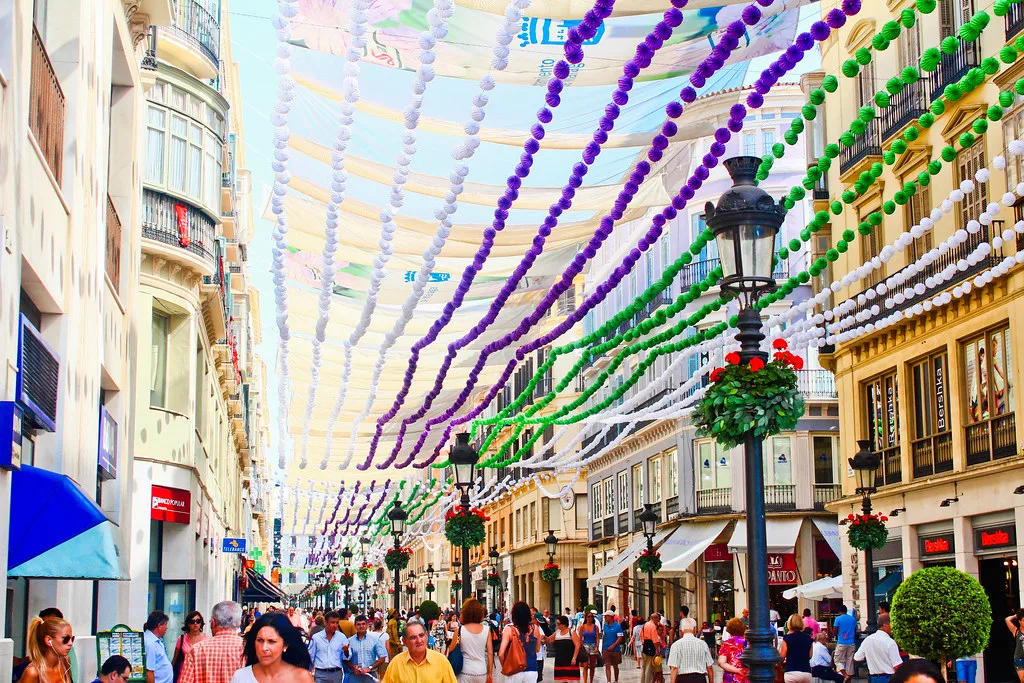
Morning-only sightseeing: Alcazaba, Gibralfaro and Calle Larios before 10am
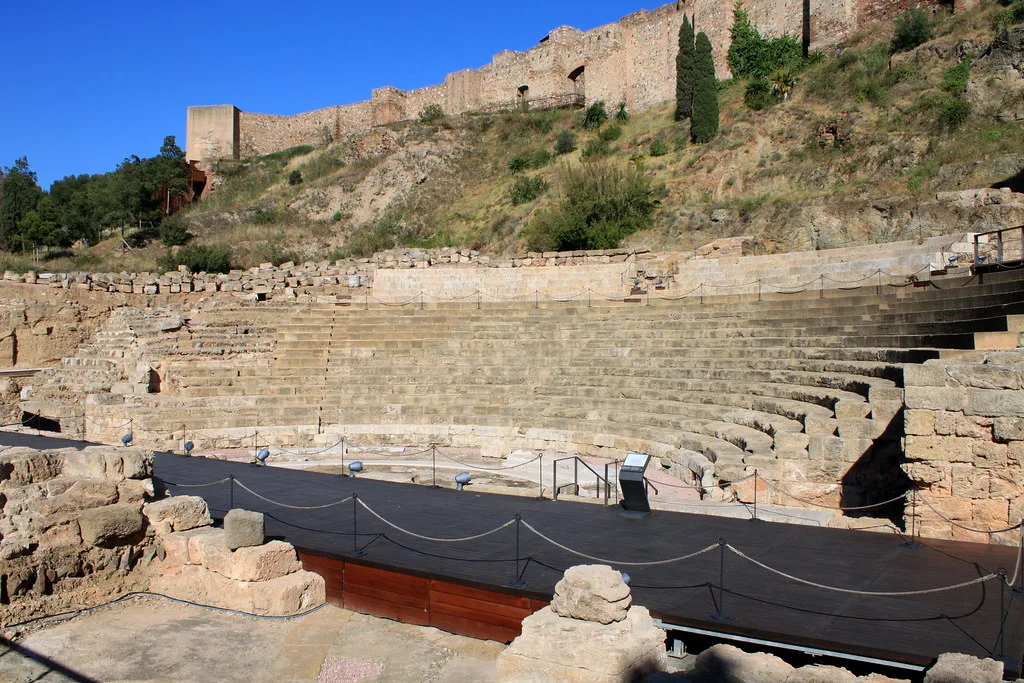
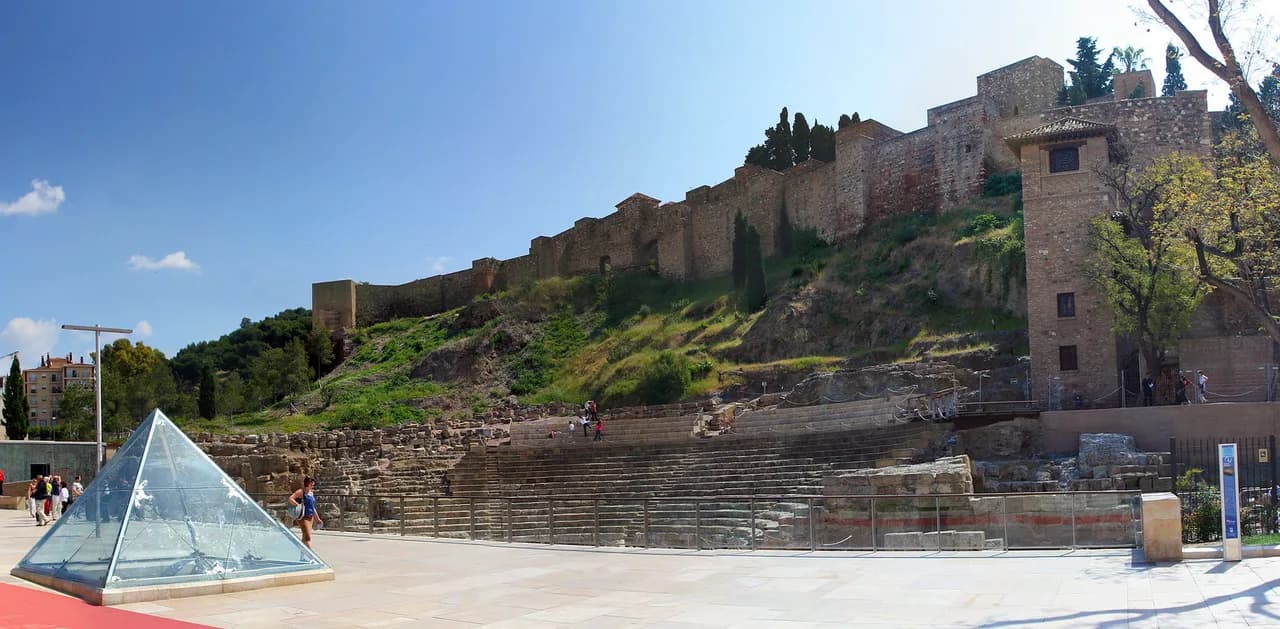
The Alcazaba and Castillo de Gibralfaro are the two essential climbs, and in August the rule is simple: go before 10am or after 6pm. Early morning gives you tolerable temperatures, low-angled light on the Moorish archways and gardens largely to yourself, while a midday ascent is genuinely punishing.
A workable sequence is Alcazaba at 9am for about 45–60 minutes, then the walk up to Gibralfaro with more water than you think you need; if the steps feel inadvisable, take a taxi. Calle Larios is at its best before 10am on a weekday, when it still feels like a city street rather than a slow-moving procession of overheated visitors.
On the way back down, detour into the 19th-century iron market hall, Mercado de Atarazanas, for the stained-glass facade and produce stalls before the crowds build. If your time is tight, a one day in malaga plan built around this early block keeps the afternoon free for the heat.
The 12–5pm window: Picasso Museum, Cathedral and other air-conditioned refuge
Between noon and 5pm, outdoor sightseeing is inadvisable, and this is the slot for the air-conditioned interiors: the Museo Picasso Málaga, the cathedral and long lunches. Picasso queues lengthen in summer, so book online in advance and use the pre-booked line; the permanent collection alone justifies a couple of hours.
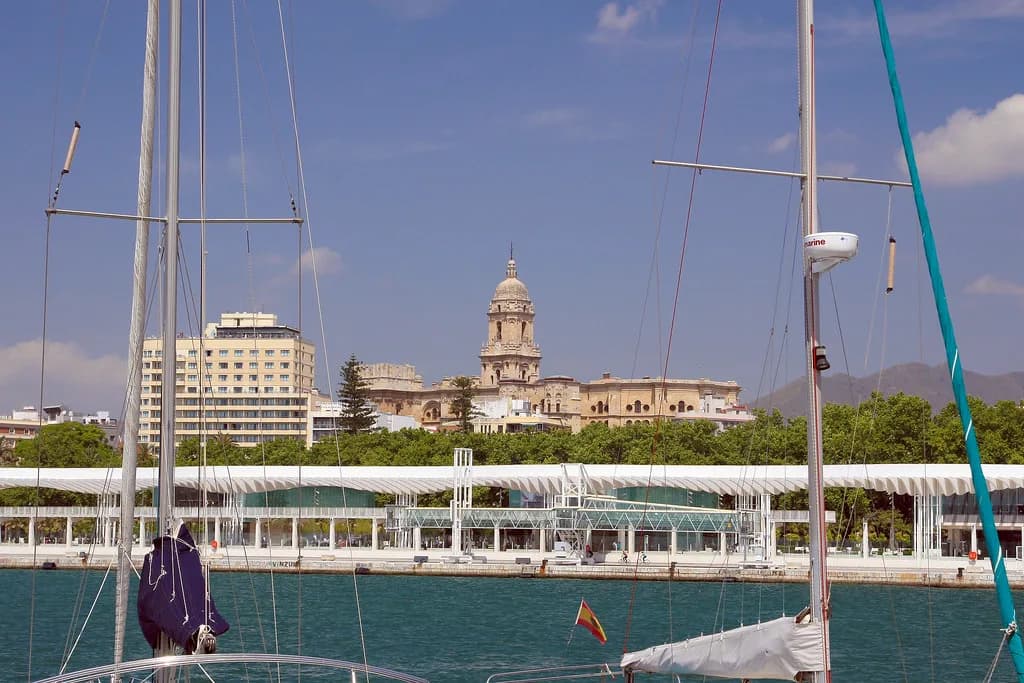
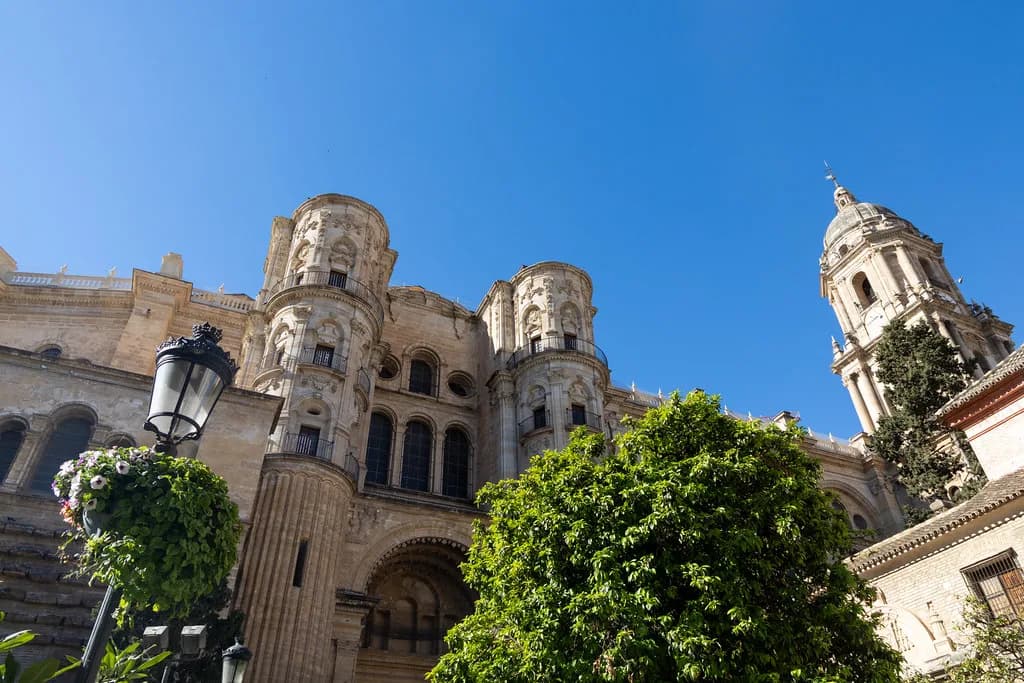
The cathedral interior is another welcome midday break, especially with a ticket bought ahead so you avoid standing outside in the queue. Part of the building has been under renovation, with the popular rooftop tour unavailable while work continues, so check what is open on the day you plan to visit.
Organised walking tours departing at 11am through the cathedral district will leave you sunburned and unable to absorb anything about Moorish architecture, so self-guide with a downloaded audio walk before 10am instead. Then use the afternoon for a siesta or a pool — in July and August this is preparation for the evening, not laziness.
Beaches: La Malagueta versus Pedregalejo and El Palo, and how to get there
La Malagueta is the convenient city beach: close to the centre, good promenade access and chiringuitos within easy reach when you want to move from swimming to eating. It is not the most scenic stretch in the province, and weekend afternoons in July and August require strategic towel placement.
For a beach that feels like local summer life, take local bus 34 east from Paseo del Parque to Pedregalejo or El Palo, where the chiringuitos are better and the prices friendlier. The Paseo Marítimo in Pedregalejo has been under construction and refurbishment, with fencing around and limited access to restaurants, so check before you build a whole afternoon around one address.
Eating in August: espetos, gazpacho, ajoblanco and pescaíto frito
The defining summer dish is the espeto de sardinas: fresh sardines on a bamboo skewer, grilled over a wood fire on the beach and best eaten at a chiringuito in Pedregalejo. They should arrive hot, lightly charred and smelling of the sea — order more than you think you need.
On a 34°C afternoon, the cold soups stop being a regional curiosity and become a necessity. Ajoblanco, the cold almond and garlic soup often served with grapes or melon, is the more interesting local choice next to the tomato gazpacho most visitors know, and pescaíto frito — a mixed plate of fried fish — is at its best in a proper friduría rather than on a tourist menu.
El Tintero in El Palo does fried fish at scale with real conviction, though the auction-style service — waiters circling with plates shouting the dishes — requires a willingness to be assertive. To drink, look for dry Moscatel de Alejandría, the local white that pairs with everything from the market.
Meal times that work: lunch at 2–4pm, dinner from 9pm, and the 4–8:30pm kitchen gap
Locals lunch between 2pm and 4pm and rarely start dinner before 9pm, and traditional restaurants often close their kitchens between services from roughly 4pm to 8:30pm. Plan around that gap or you will end up at a laminated tourist menu at 7pm out of desperation, wondering why the paella tastes frozen.
On a Saturday in August, the best local restaurants fill quickly, so book two to three days ahead or aim for 8:30–9pm to catch early availability before the evening fills. A long lunch in the 2–4pm window also doubles as your escape from the worst of the afternoon heat.
Feria de Málaga: what happens in the city centre and at the Real de la Feria
The Real de la Feria is the fairground proper, with casetas, flamenco and rides, while the centro day feria is a street party that starts at noon and rolls through the historic streets — two very different nights out. The feria is worth building a trip around if you enjoy organised chaos and flamenco, but expect peak accommodation prices during 15–22 August 2026.
Rebujito, the sherry-and-lemonade mix, is stronger than it sounds and is the drink of the week. If you would rather see the city without the crowds, plan around the feria and compare with Málaga in October, when temperatures ease and the terraces empty out.
Evenings that earn the heat: Muelle Uno, Soho and sunset from Gibralfaro
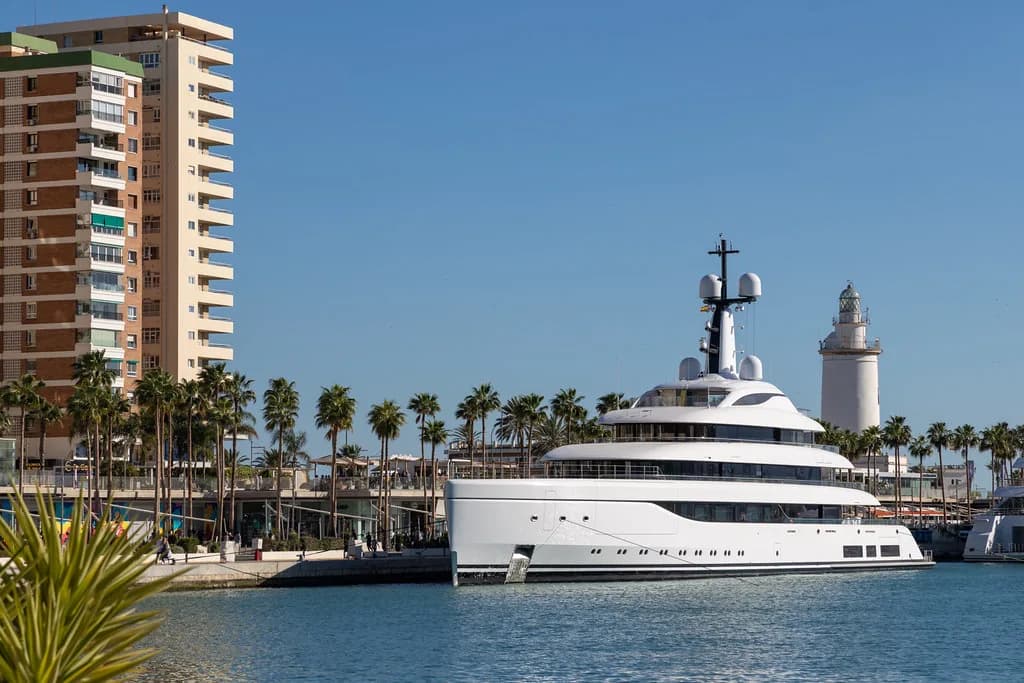
After 8pm, when the light softens and the heat relents, Muelle Uno is a genuinely pleasant place for a walk: a palm-lined promenade with the Centre Pompidou Málaga on one side and the sea on the other. Soho, the contemporary art neighbourhood south of the historic centre, is better in early morning light, but its bars and cafés make a good cool-down stop later in the day.
Sunset from Gibralfaro is worth earning — a 20–30 minute walk from the Alcazaba in proper footwear, or a taxi — with the view over the bullring, the port and the Mediterranean in the last hour of light. Bring more than one small bottle of water.
Day trips in August: Nerja, Ronda and Granada — which to keep and which to drop
The Nerja Caves are naturally cool inside, which makes them one of the better August excursions, and the town itself is manageable with early planning. To travel there without a car, check the local train and bus options before you commit to a date.
Ronda is extraordinary but best in June, and in August the roads are at their most congested and the town itself packed. Take the train from Málaga María Zambrano instead — around two hours and no parking nightmare.
Granada and the Alhambra really belong to June: July and August are hotter there than in Málaga, and the Alhambra books out weeks in advance. If you want a second city in August, choose one with a cool interior to hide in.
Who August suits and who should pick June or September instead
August works well if you are heat-tolerant, planning beach days and late nights, and booking accommodation early. It works badly if you need sightseeing done by noon, hate crowds, or are travelling with small children who need a nap on a schedule.
For a gentler first visit, June is the sweet spot and September combines warm sea with thinning crowds. If August is the only option, commit to the split-day rhythm and treat the afternoon as protected time.
Getting around and staying comfortable: buses, water and booking ahead
Málaga is manageable on foot early and late, with local buses filling the gaps — bus 34 from Paseo del Parque reaches Pedregalejo and El Palo, and the María Zambrano station handles the Ronda line. Pre-book the Picasso Museum and cathedral tickets so you avoid standing in line outside.
Book accommodation six to eight weeks ahead for feria dates, and keep a flexible list of two or three restaurants per area in case a kitchen is closed for vacaciones. Málaga in August rewards planning, not improvisation.
Plan Your Visit
August in Málaga is a full-contact summer: 31–35°C days, near-zero rain, very high crowds and peak prices, with the best of the city arriving before 10am and after 8pm. Build a morning outdoor block, an afternoon indoor block and a 9pm dinner, and the heat becomes part of the plan rather than an obstacle.
Check museum and cathedral opening times, feria programme and bus timetables the week you travel, as these change with the season. Feria de Málaga runs 15–22 August 2026 per the published guide, and dates for future years are confirmed closer to the time on the official tourism site.
Explore more Málaga guides
Frequently Asked Questions
Is Málaga too hot in August?
August is the hottest month, with average daytime temperatures of 31–35°C that regularly push past 36°C, plus near-zero rain. The heat is manageable if you sightsee before 10am and after 6pm, and use the 12–5pm window for museums, long lunches and indoor time.
What is the weather like in Málaga in August?
Expect average daytime temperatures of 31–35°C, night-time averages of 23–25°C, a sea temperature of 24–25°C and virtually no rain. Sunset falls around 8:45–9pm towards the end of the month, so evenings are long and still warm.
What are the best things to do in Málaga in August?
The Alcazaba and Gibralfaro early morning, Calle Larios before 10am, and the Picasso Museum or cathedral during the hot middle of the day. In the evening, walk Muelle Uno, explore Soho's street art, watch sunset from Gibralfaro and eat espetos at a chiringuito in Pedregalejo.
When is the Feria de Málaga?
The Feria de Málaga runs 15–22 August 2026 according to the published guide. It divides into the Real de la Feria fairground with casetas, flamenco and rides, and a day feria in the city centre that starts at noon and continues through the afternoon.
Is Málaga or Seville nicer in August?
Seville is inland and hotter in August, while Málaga has a coastal breeze and the sea at 24–25°C to cool off in. If you want beach time and late dinners, Málaga is the easier August choice; if you want to escape crowds, both cities are calmer in September.
Is 3 days in Málaga enough in August?
Three days is enough for one early-morning Alcazaba and Gibralfaro climb, one museum afternoon, one beach day in Pedregalejo or El Palo and an evening at Muelle Uno. Build a rest block into each afternoon and do not try to add a day trip on top.
Which part of Málaga is best to stay in August?
Staying near the historic centre puts the Alcazaba, the cathedral, Mercado de Atarazanas and Calle Larios within walking distance for early starts. For beach time, Pedregalejo and El Palo are quieter and reached by bus 34 from Paseo del Parque, but restaurant access there has been affected by construction on the Paseo Marítimo.
Sources
Notes for eating well in Spain
Optional updates to our guides.
You might also like
Continue reading
More guides you'll find useful