One Day in Málaga: A Walking Itinerary With Lunch and Tapas
A realistic one-day Málaga route: breakfast churros, Atarazanas market, the Alcazaba, espetos by the sea in Pedregalejo and a late tapas dinner.
On this page
One day in Málaga is enough to see the historic centre properly if you accept one rule: build the day around Spanish meal times, not around a list of monuments. Breakfast early, take the market and the Alcazaba before the heat peaks, eat lunch by the sea between 1:30pm and 4pm, then use the quiet afternoon for Gibralfaro and finish with tapas from 8:30pm or 9pm. The centre is compact and mostly flat, with the only real climb coming at the fortress hill.
This route keeps walking between stops short and uses one paid trip east for lunch, because Pedregalejo is roughly 15 minutes by taxi or 20 to 30 minutes by bus from the centre. If your flight lands late or leaves early, trim the seafront lunch rather than the Alcazaba.
The Shape of the Day: Market, Monuments, Seafront Lunch, Late Tapas
The workable sequence runs west to east and back again: breakfast in the old town, Atarazanas Market, Calle Larios and the cathedral, then the Roman Theatre and Alcazaba, a taxi or bus to Pedregalejo for lunch, Gibralfaro in the late afternoon and tapas back in the centre. Most of the central stops sit within easy walking distance of each other, so you rarely need transport before lunch.
Two structural facts shape everything else. Many traditional restaurants close between 4pm and 8pm, which is why a late, leisurely lunch matters more than a sit-down afternoon meal, and locals typically eat dinner after 8:30pm. Book nothing tightly for the early evening; that gap is exactly when Gibralfaro and the port work best.
If you are weighing up whether to give Málaga a second day, this route covers the headlines in one. Our guide to how many days in malaga sets out what a second and third day add, from the Picasso Museum interior to the beaches east of the centre.
Breakfast: Churros, Tejeringos or a Savoury Mollete
Start with churros and coffee or a cup of thick hot chocolate at Casa Aranda, which has served churros in the historic centre since 1932 and remains one of the city's best-known breakfast institutions. Churrería La Malagueña is the other central name to know, particularly for tejeringos, the Málaga-style churros. Allow around 45 minutes before walking to the market.
If you would rather eat savoury, order a mollete: a soft roll from Antequera, normally toasted and served with olive oil, grated tomato and, if you like, jamón serrano. It sits better than sugar before a morning of walking, and it is a genuinely local order rather than a tourist compromise.
Whichever you choose, eat before 10am if you want the market at its liveliest and the Alcazaba before the midday sun. Breakfast is also the moment to decide whether you will enter the cathedral and the fortress or view them from outside, because that choice sets your pace for the rest of the morning.
Atarazanas Market: What to See, What to Eat, and the Sunday Closure
Atarazanas Market is the best single place to see everyday Málaga at work: stalls of fresh fish, seafood, meat, fruit, vegetables and olives under an iron structure, behind a historic stone entrance and a colourful stained-glass window. Give it 30 to 45 minutes and arrive before lunchtime, when the produce is still out and the bars are busy.
The market normally operates from Monday to Saturday and is closed on Sundays and public holidays. If your one day falls on a Sunday, swap the market for a longer breakfast and go straight to Calle Larios; the rest of the route holds.
Order standing at one of the small bars inside or around the market, where tapas are prepared to order. Boquerones en vinagre, the vinegar-cured anchovies, and simply grilled seafood are the local picks, and a mid-morning plate here saves you from over-ordering at lunch.
Calle Larios and Plaza de la Constitución on Foot
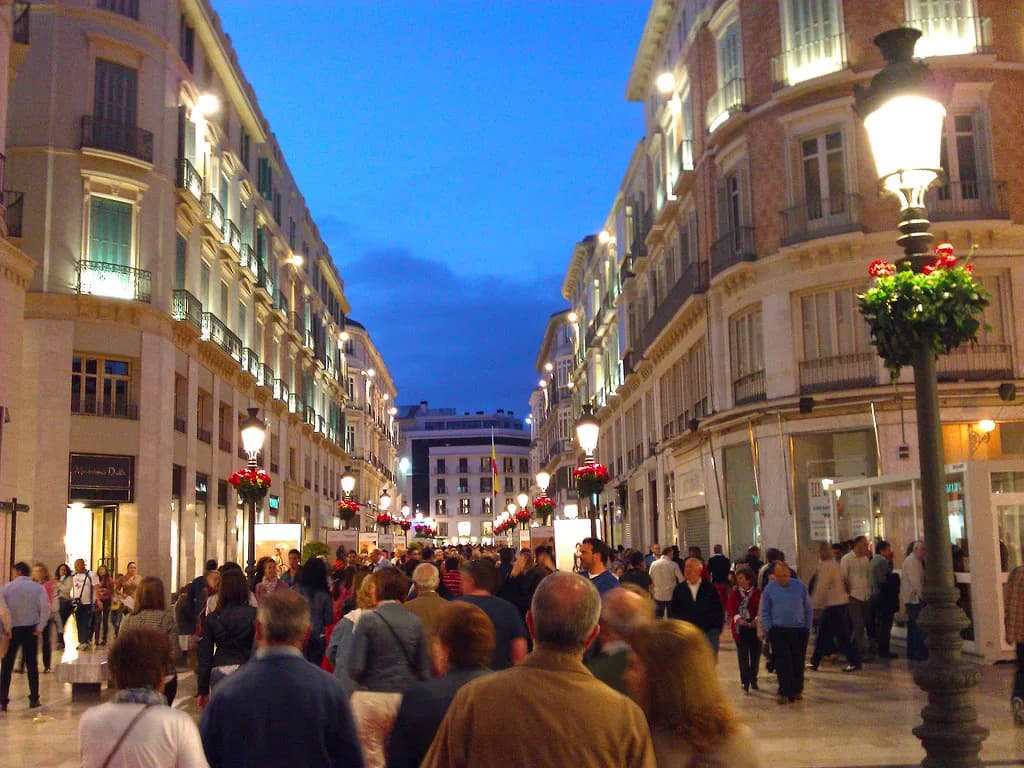
From the market, walk to Calle Larios, Málaga's best-known pedestrian street, and follow it north to Plaza de la Constitución. The street connects the Alameda Principal with the square and is lined with shops, cafés and 19th-century buildings, so it doubles as a natural coffee stop if breakfast was early.
The square is one of the main meeting places in the historic centre, and the cathedral and surrounding streets are a few minutes away on foot. Calle Larios is at its most atmospheric during Semana Santa, the city fair and Christmas, when it is decorated for the major celebrations; on an ordinary weekday it is simply a pleasant, shaded route between sights.
Málaga Cathedral: La Manquita and the Rooftop Caveat
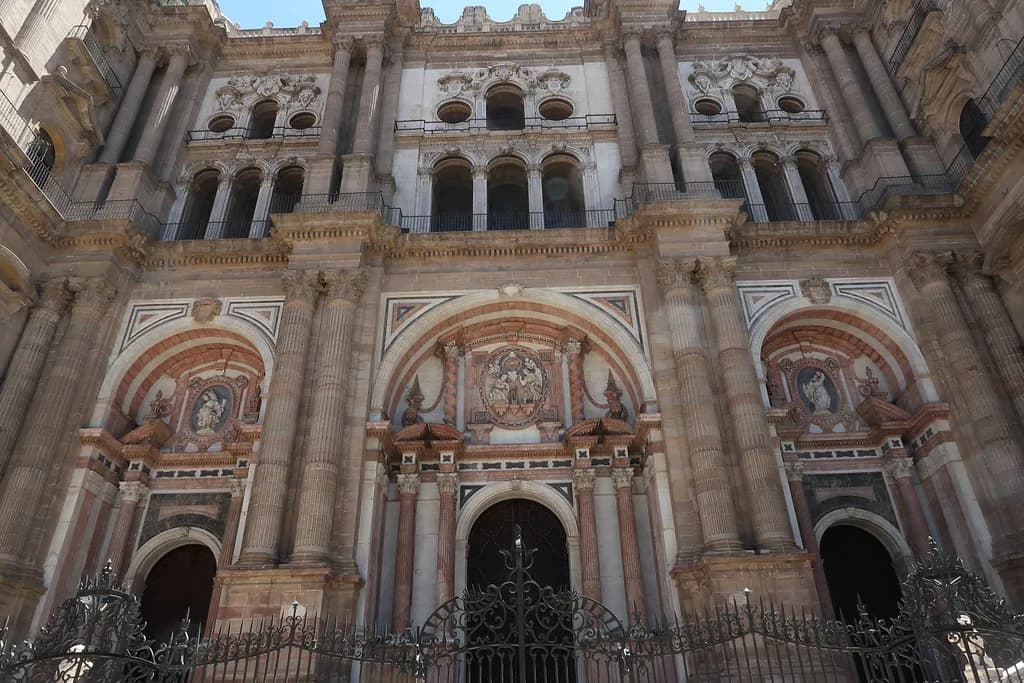
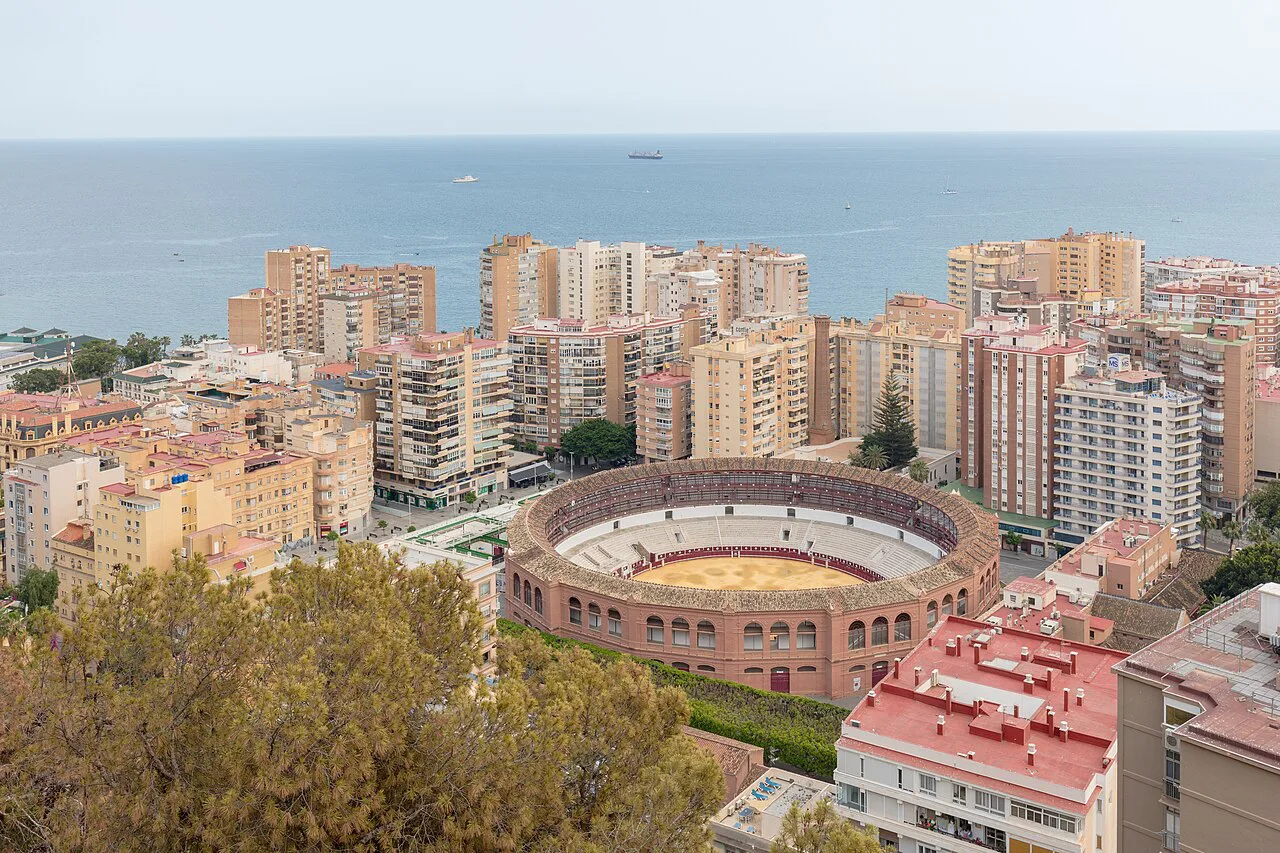
The Cathedral of the Incarnation is one of the city's most recognisable landmarks, begun in the 16th century and never finished. The incomplete south tower earned it the nickname La Manquita, the One-Armed Lady, and that asymmetry is the thing to look for from the square before you go in.
Inside, allow 30 to 45 minutes for the vaulted ceilings, chapels and choir stalls. Do not plan the day around rooftop views: at the time of the source's update, cathedral rooftop visits were suspended because of restoration work, so treat any rooftop plan as conditional and check the cathedral's own information before you count on it.
Access can also be affected by religious services and special events, and shoulders and knees should be covered when visiting. If the queue is long, see the exterior and move on; the Alcazaba is the stronger use of an hour on a one-day visit.
Roman Theatre and Alcazaba: Free Theatre, Fortress Courtyards, Sunday Afternoon Entry
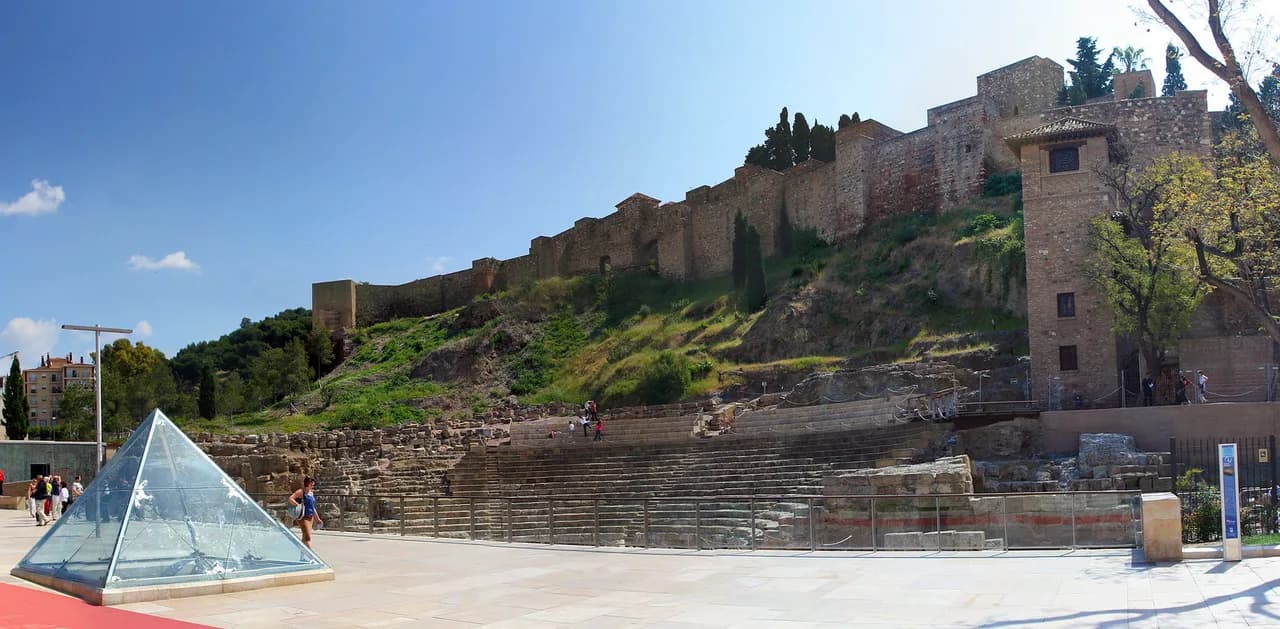
The Roman Theatre on Calle Alcazabilla, built in the first century BC, is one of Málaga's most important Roman remains, and entry to the archaeological site and interpretation centre is free. Much of it is visible from the street, so 20 to 30 minutes is enough before you head uphill.
The Alcazaba above it is an 11th-century Moorish fortress-palace of defensive walls, courtyards, gardens and views across the city, and it deserves 60 to 90 minutes. The route includes slopes, steps and uneven surfaces, so wear shoes you can climb in and carry water.
Plan around these hours: the Alcazaba opens daily from 9am to 8pm between April and October and 9am to 6pm between November and March, with last admission an hour before closing. Admission is free on Sundays from 2pm, which makes a Sunday afternoon visit a genuine money-saver but also a busier one.
If time is tight, watch the theatre from the street and put your ticket money and energy into the Alcazaba interior. It is the one historic site worth prioritising when you only have a day.
Muelle Uno and the Pompidou Glass Cube: A Waterfront Breather
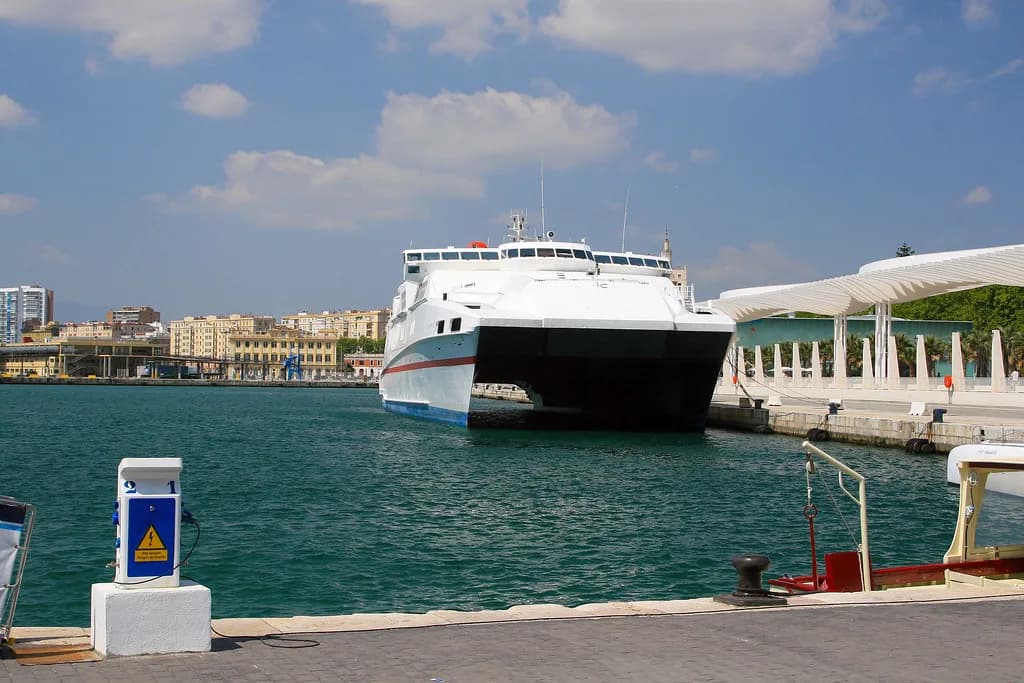
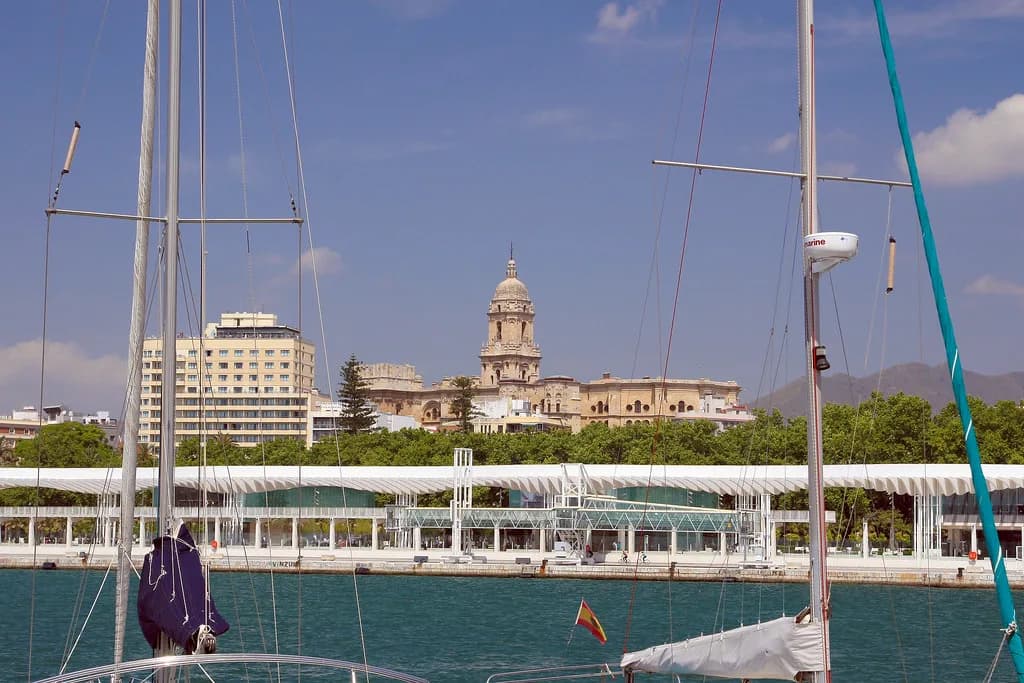
Walk downhill through Paseo del Parque to the port and follow the palm-lined Palmeral de las Sorpresas promenade to Muelle Uno, the waterfront strip of shops, restaurants and marina views. Look for the colourful glass cube belonging to the Centre Pompidou Málaga, one of the port's most recognisable landmarks.
Allow 30 to 45 minutes for a relaxed loop, which is enough for a coffee or an ice cream without eating into lunch. If you have spare time, continue towards La Farola lighthouse and La Malagueta beach; otherwise turn back towards the centre for the trip east.
Lunch in Pedregalejo: Espetos, Chiringuitos and the Trip East
Pedregalejo, a former fishing neighbourhood east of the centre, is the right place for the main meal of the day. Its seafront chiringuitos specialise in espetos de sardinas, fresh sardines skewered and grilled over an open fire in traditional boats filled with sand, alongside grilled fish, seafood and salads.
Time the journey properly: the trip takes approximately 15 minutes by taxi or 20 to 30 minutes by bus depending on traffic. Aim to sit down between 1:30pm and 4pm, the Spanish lunch window, and allow around 90 minutes for the meal and a short walk beside the sea.
Order one portion of espetos between two and add a shared salad or grilled fish rather than a full plate each; sardines are rich and the portions arrive generously. Eat outside if the weather allows, because the point of coming here is the promenade rather than the room.
After lunch you have two options: a taxi straight up to Gibralfaro to save time, or a slow walk back along the beach. The taxi is the sensible choice on a single-day visit, and it keeps the late afternoon free for the views.
Gibralfaro in the Late Afternoon: Combined Ticket, Climb or Bus
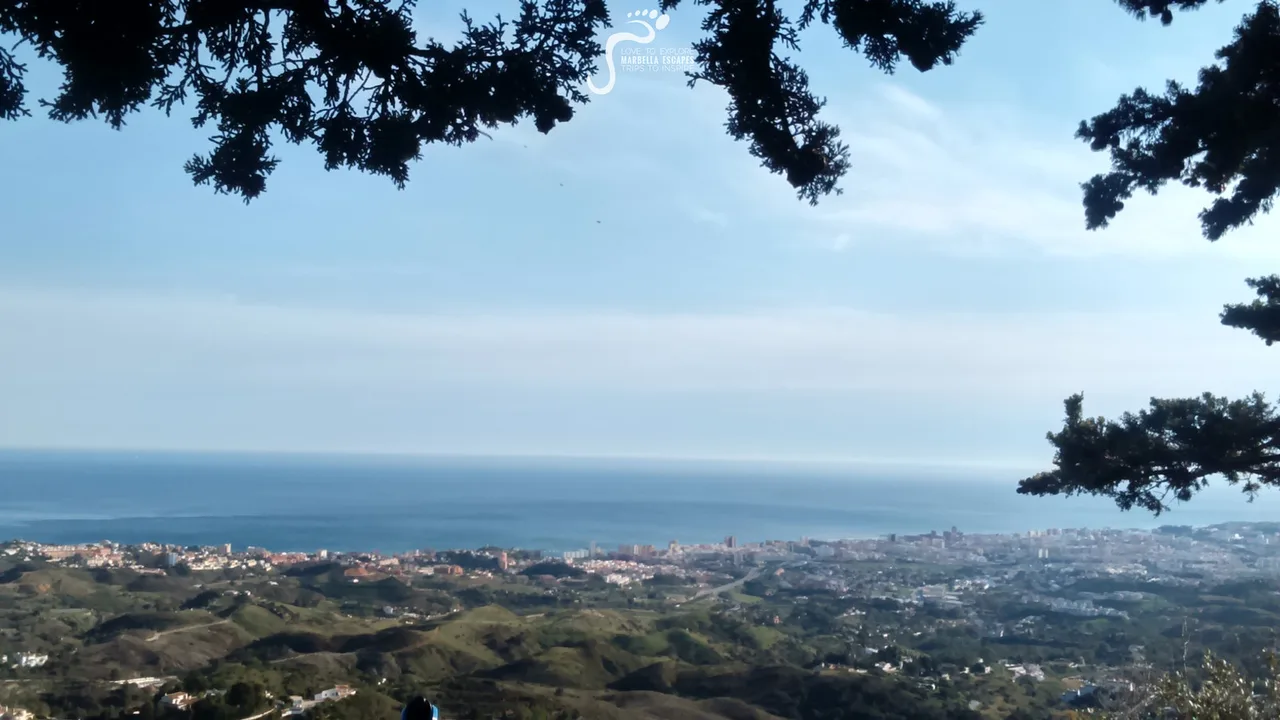
Gibralfaro Castle, built in the 14th century to protect the Alcazaba, sits on the hilltop with the best panoramic views in Málaga: the historic centre, the port, La Malagueta beach and the bullring all in one sweep. Allow 45 to 60 minutes to explore the castle and walk the defensive walls.
If you plan to visit both the Alcazaba and Gibralfaro, a combined ticket is usually the most economical option, so buy it at the first site rather than paying twice. Late afternoon gives the best light for photographs, but closing times vary by season, so do not assume the castle stays open until sunset.
Getting up is the real trade-off. The climb is steep but rewarding for fit walkers, while a taxi from Pedregalejo or the centre removes the effort at a cost. Coming down, fit and confident walkers can follow the steep path with viewpoints along the way; everyone else takes a taxi or bus back to the centre.
Evening Tapas Around Plaza de la Merced, Calle Granada and Plaza de la Constitución
Return to the historic centre for the evening. The streets around Plaza de la Merced, Calle Granada and Plaza de la Constitución cover everything from traditional taverns to modern tapas bars, and the centre becomes livelier as the night goes on.
Order in the Spanish style: two or three bars, several small plates shared, and no full meal in one place. Local favourites include boquerones, croquetas, fried aubergine with sugar cane honey, ensaladilla rusa and porra antequerana, paired with a local wine, a cold beer or a glass of sweet Málaga wine.
For a more structured evening, our Málaga Itinerary pairs these bars with the sights you passed earlier and keeps the walking sensible. It is worth reading before you go if you want bar-to-bar distances sorted in advance.
Meal Times: Why 1:30–4pm Lunch and a 9pm Dinner Change Your Plan
Spanish meal times are the single biggest planning constraint on a one-day visit. Lunch runs from 1:30pm to 4pm and dinner starts from 8:30pm to 9pm, with many traditional restaurants closing between 4pm and 8pm, so an afternoon sit-down meal is the one thing you cannot rely on.
The practical answer is to eat properly at lunch, then use the 4pm to 8pm window for Gibralfaro, the port or a museum, and take tapas later in the evening. Tourist-area places stay open through the afternoon, but they are a fallback rather than the point of eating in Málaga. Smaller shops may also close between 2pm and 5pm, so carry cash for market stalls and small bars.
What to Skip When Time Is Tight, and How Summer Changes the Day
With a late start or an early flight, cut in this order: the cathedral interior, Muelle Uno and the Pedregalejo lunch. Keep breakfast, Atarazanas, the Roman Theatre, the Alcazaba and a short Gibralfaro visit, then take tapas in the centre instead of travelling east.
Summer heat rewrites the middle of the day. Shift the walking to the morning, treat the Alcazaba as the last outdoor stop before lunch and save the exposed Gibralfaro walls for later, when the light improves and the temperature drops. Málaga in july and Málaga in August both bring temperatures that make the siesta gap a sensible part of the itinerary rather than lost time.
In cooler months the same route works with more indoor time. Malaga in october and Malaga in September suit the walk-heavy version of this day, when the climb to Gibralfaro is comfortable and the beach at La Malagueta is still worth the detour.
If you are comparing cities, the same meal-time logic applies elsewhere: our one day in alicante and one day in girona guides follow the same lunch-then-late-tapas pattern. Neither replaces Málaga's combination of a beach lunch and a fortress hill, but both are useful benchmarks for what fits into a single day.
Plan Your Visit
The one-day version of Málaga works because the centre is compact and the meal times do the scheduling for you: churros and the market early, the Alcazaba before the heat, espetos in Pedregalejo at lunch, Gibralfaro as the light softens and tapas after nine. Two details decide your day: whether it is a Sunday, when Atarazanas is closed and the Alcazaba is free from 2pm, and whether you buy the combined Alcazaba and Gibralfaro ticket.
Check the cathedral's official information on rooftop access and the Alcazaba's seasonal hours before you travel, since both affect the shape of the morning and afternoon.
Explore more Málaga guides
Frequently Asked Questions
Is one day enough for Málaga?
Yes, for the historic centre and one seafront lunch. You can take in Atarazanas Market, Calle Larios, the cathedral exterior, the Roman Theatre, the Alcazaba and Gibralfaro, plus espetos in Pedregalejo, if you start early and eat lunch between 1:30pm and 4pm. It does not leave time for the Picasso Museum interior, a beach afternoon or a relaxed second neighbourhood.
What should I eat in Málaga in one day?
Churros or tejeringos at breakfast, a savoury mollete if you prefer, boquerones en vinagre at the market, espetos de sardinas at lunch in Pedregalejo, and shared tapas in the evening. Look for berenjenas con miel, ensaladilla rusa and porra antequerana on the tapas menu, with a glass of sweet Málaga wine.
When do restaurants open for dinner in Málaga?
Dinner starts late: locals typically eat from 8:30pm to 9pm, and many traditional restaurants close between 4pm and 8pm. Plan a proper lunch in the Spanish window and use the late afternoon for Gibralfaro or the port rather than expecting an early evening meal.
Is Atarazanas Market open on Sunday?
No. The market normally operates from Monday to Saturday and is closed on Sundays and public holidays. If your visit falls on a Sunday, plan a longer breakfast and start the walking route at Calle Larios instead.
How much time should I allow for the Alcazaba?
Allow 60 to 90 minutes to explore properly, with comfortable shoes for slopes, steps and uneven surfaces. Opening hours run from 9am to 8pm between April and October and 9am to 6pm between November and March, with last admission an hour before closing and free entry on Sundays from 2pm.
Can I visit the cathedral rooftop?
Rooftop visits were suspended because of restoration work at the time of the latest published update, so do not build the day around them. Check the cathedral's official information before you travel, and keep the rooftop as a bonus rather than a fixed stop.
Should I climb to Gibralfaro or take the bus?
The climb is steep but gives the best approach views, while a taxi or bus from the centre or from Pedregalejo saves time and energy. Buy the combined Alcazaba and Gibralfaro ticket if you are visiting both, since it is usually the cheaper option.
What is the best order for a one-day walking route?
Go west to east and back: breakfast, Atarazanas, Calle Larios and the cathedral, the Roman Theatre and Alcazaba, then Pedregalejo for lunch, Gibralfaro in the late afternoon and tapas in the centre. This keeps the walking short and puts the only long trip east around the meal rather than in the sightseeing hours.
Sources
Notes for eating well in Spain
Optional updates to our guides.
You might also like

Continue reading
More guides you'll find useful