Málaga in July: Weather, Crowds and How to Plan Your Days
Málaga in July brings hot days and warm nights. See the AEMET figures, how the terral wind changes everything and how to time meals and sightseeing.
On this page
July in Málaga is a month of hot days and, just as importantly, warm nights. The figures reported by Spain's state weather agency AEMET for July put the average daytime maximum at 32.5C and the average night-time minimum at 20.5C, which shapes how you should plan meals, beach time and sightseeing. Treat these as a picture of a typical July rather than a forecast for your dates.
The practical consequence is that you build the day around the heat rather than fighting it. Lunch sits in the 1:30pm to 4pm window, the afternoon is for shade, air conditioning or a siesta, and dinner starts from 8:30pm to 9pm, when the worst of the sun has gone. If you are weighing up how long to stay, the guide to how many days in malaga explains what fits into one, two or three nights.
What July in Málaga Is Like: The Short Answer
July is hot, sunny and busy, with the heat stretching well into the night. The province recorded an average maximum of 32.5C in July and an average minimum of 20.5C, which is why evenings feel warm rather than refreshing. Locals describe the sensation of mugginess as bochorno, or plasta in Málaga slang, and it is most noticeable when humidity climbs.
Holiday operators tend to summarise July and August together as the hottest stretch of the year, with long sunshine hours and warm sea temperatures. That is a useful planning shorthand, but it is an operator's climate summary rather than a live forecast, so check a short-range forecast for your dates before you pack.
The July Weather in Numbers: Daytime Highs and Night-Time Minimums
The July figures separate the daytime story from the night-time one. Daytime highs averaged 32.5C, while the night-time minimum averaged 20.5C and the 24-hour average sat at 26.5C. That night-time number matters more than most visitors expect: a warm minimum means bedrooms and streets stay warm long after dark.
For context, the previous July was slightly hotter by day but cooler at night, with an average maximum of 32.9C and an average minimum of 19.9C. The lesson for a July trip is to plan for warm nights as much as hot afternoons, particularly if you are booking accommodation without air conditioning.
Heat spikes happen. AEMET issued a yellow-level warning for the Antequera area during one July spell, with widespread maximum temperatures forecast around 39C, although the recorded peak in Antequera that afternoon was 35.7C and nearby Fuente de Piedra reached 37.7C. Inland spots like these run hotter than the coast, so factor in a difference if you plan a day trip away from the sea.
The Terral Wind: Why Some July Days Are Far Worse Than the Averages
Averages hide the days that catch visitors out. The terral is a hot, dry wind that blows off the land and hits Málaga hard, pushing temperatures well above the monthly norm. A July with few terral episodes feels noticeably milder than one with several, even when the headline averages barely move.
The flip side is the coastal microclimate, where easterly winds usually dominate and keep the city more bearable than inland towns. If a terral spell is forecast during your stay, shift heavy sightseeing to the morning and keep the afternoon flexible. The forecasts change quickly, so check a short-range source on the day rather than relying on a monthly summary.
Why July Can Feel Milder Than You Expect, and Why the Nights Do Not
Many regular visitors come away insisting July felt gentler than the year before, even when the numbers are similar. Part of that is acclimatisation: after several long, extreme summers the body sweats sooner and regulates its temperature more efficiently, so the same heat registers as less punishing. Psychology plays a part too, since a July without a savage heatwave seems mild by comparison.
Humidity also decides how the heat lands. Drier air takes the edge off the mugginess that makes Málaga feel sticky, while a humid spell makes even a modest 30C uncomfortable. Since humidity varies day to day, judge it from the forecast for your dates rather than from a monthly average.
Heat and Humidity: Structuring a Day Around the Hottest Hours
The sensible July rhythm is an early start, a long lunch and a late finish. Use the morning for outdoor sightseeing and the beach, retreat indoors or into shade between roughly 2pm and 6pm, then head out again for the evening. This is not a tourist affectation: it is how the city handles heat that regularly passes 30C by day.
Hydration and sun protection are not optional in July. Carry water, use high-factor sunscreen and wear a hat for any midday exposure, and remember that UV levels peak in the middle of the day even when a sea breeze makes the air feel cooler than it is.
Spanish Meal Times in July: Lunch from 1:30pm and Dinner from 8:30pm
Spanish meal times matter more in July than in any other month, because they sit outside the worst heat. Lunch runs from about 1:30pm to 4pm, so a 1:30pm table gets you fed before the afternoon peak and leaves the hottest hours free. Dinner starts from 8:30pm to 9pm, which means you eat as the city cools and the streets fill.
Restaurants in Málaga keep these hours, so turning up at 6pm for dinner will usually mean finding kitchens closed or only serving drinks. If you want a sit-down evening meal, book for 9pm or later and expect the atmosphere to build rather than fade as the night goes on.
Beaches and Sea Swimming in Peak Season: Timing, Shade and Crowds
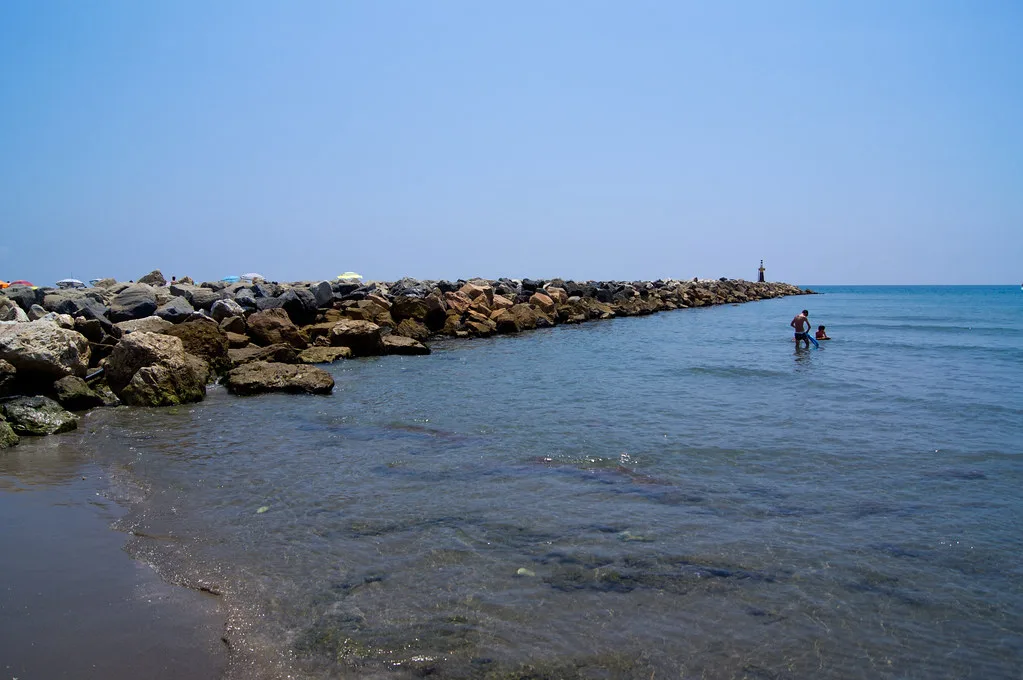
The beach is best early. Arrive before mid-morning to claim shade and space, swim, and leave as the sun climbs; the middle of the afternoon is when the sand is hottest and the crowds thickest. A sea breeze can make the air feel cooler than the thermometer suggests, so do not skip sun protection on the beach.
July is peak season, so expect busy beaches, booked-out sunbeds and slower service at beach bars. If you are staying into the following month, Málaga in August is even busier, while malaga in september brings a calmer feel as schools return.
Sightseeing in the Middle of the Day: What to Do Indoors
Treat the 2pm to 6pm slot as indoor time. Museums, galleries, churches and air-conditioned shops are the obvious choices, and they let you cover the sights without wilting in the sun. Save outdoor wanderings for the morning and evening, when the light is better and the heat is bearable.
If you are planning a short break, the Málaga Itinerary sets out what to see in sequence so you can slot indoor stops into the hot hours. For a single day in the city, one day in malaga is the tighter version.
Evenings in Málaga: Why the City Comes Alive After 9pm
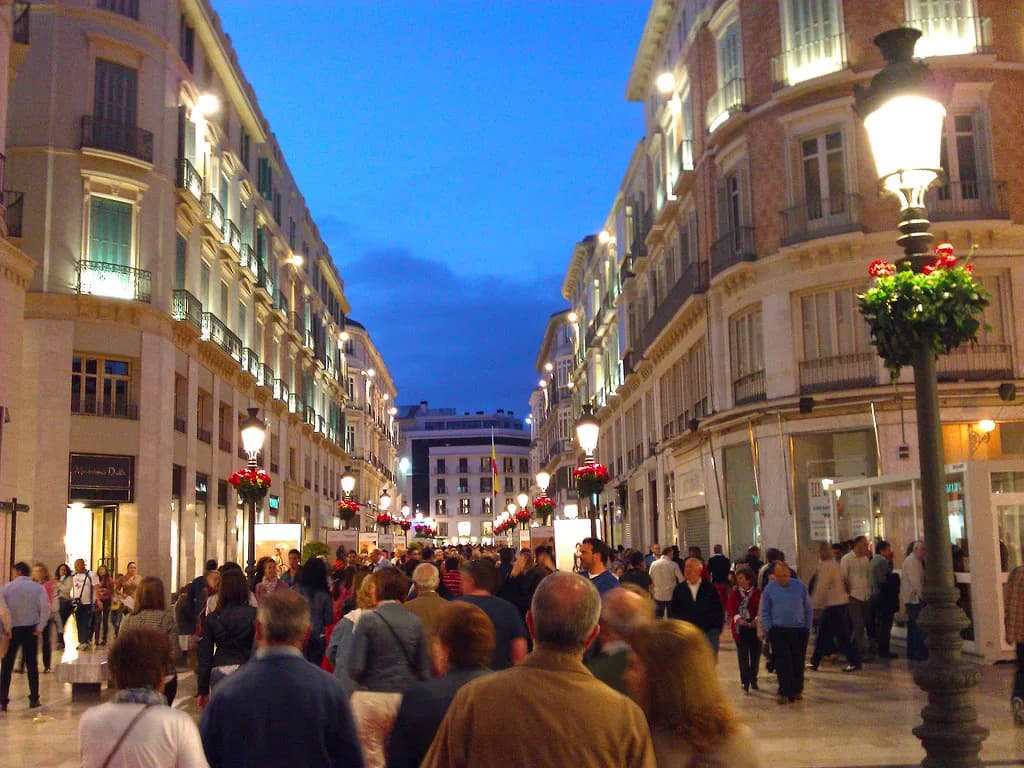
Málaga's evenings are the best part of a July day. The heat eases, the streets fill and dinner from 8:30pm to 9pm stretches into a long, sociable night. Build your day so you have energy left for this, rather than collapsing after an exhausting afternoon.
Use the evening for a slow walk through the old centre, a late dinner and a nightcap, and leave the big outdoor sights for the morning. The Centro Histórico de Málaga is at its most enjoyable after dark, when the crowds thin slightly and the temperature drops.
What to Pack for a July Trip
Pack for heat that lasts into the night. Lightweight, breathable clothing, a hat, sunglasses, high-factor sunscreen and a refillable water bottle cover most of it. Add a light layer for air-conditioned interiors and comfortable shoes for evening walks.
Bring more than one swimsuit so one can dry while you wear the other, and choose accommodation with air conditioning if you sleep badly in warm rooms. A small fan and an eye mask help in older buildings, though most hotels and apartments have cooling.
Who July Suits and Who Should Pick Another Month
July suits travellers who love long, warm evenings, are happy to eat late and do not mind busy beaches. It is less suited to anyone who struggles with heat at night or wants quiet streets and easy restaurant tables. Those travellers should look at June or September, or at the mild winter, when January averages around 17C.
If you need a gentler version of summer, malaga in september keeps the sea warm with smaller crowds, and Málaga in October or a comparison with alicante in july or girona in july helps you weigh up different cities.
Plan Your July Visit
July in Málaga is hot by day and warm by night, with average maximums around 32.5C and minimums around 20.5C. The terral wind decides whether a given day is bearable or brutal, so check a short-range forecast for your dates before you commit to outdoor plans, and shape the day around the 1:30pm to 4pm lunch window and 8:30pm to 9pm dinner.
Start with the mornings, shelter in the middle of the day and save the evenings for the city at its best. If you want the full picture of how long to stay, use the guide to How Many Days in Málaga? 1, 2, 3 or 4 Nights to match your July trip to the right number of days.
Explore more Málaga guides
Frequently Asked Questions
What is the weather like in Málaga in July?
July is hot and sunny, with an average daytime maximum of around 32.5C and an average night-time minimum of around 20.5C. The 24-hour average sits around 26.5C, and inland towns such as Antequera run hotter than the coast. Treat these as typical figures rather than a forecast for your dates.
Is July a good time to visit Málaga?
July works well if you enjoy warm evenings, late dinners and the beach in the morning. It is less appealing if you sleep badly in warm rooms or dislike busy beaches, since the nights stay warm and the city is at peak season.
How hot does it get in Málaga in July at night?
The average night-time minimum is around 20.5C, which is warm enough that air conditioning matters. Heat spikes can push the daytime highs much higher, and muggy nights are more common than the averages suggest.
What is the terral wind and why does it matter?
The terral is a hot, dry wind that blows off the land and can push Málaga well above its monthly averages. A July with few terral episodes feels noticeably milder than one with several, so check a short-range forecast for your dates.
What are the meal times in Málaga in July?
Lunch runs from about 1:30pm to 4pm and dinner starts from 8:30pm to 9pm. Eat lunch early in the window to avoid the afternoon peak, and book dinner for 9pm or later for the best atmosphere.
Should I choose June or September instead of July?
June and September are milder and less crowded, while July is hotter by day and warmer at night. If you want long evenings and do not mind peak-season crowds, July is fine; if you want easier sightseeing, aim for the shoulder months.
Sources
Notes for eating well in Spain
Optional updates to our guides.
You might also like
Continue reading
More guides you'll find useful