Gran Canaria Food: What to Eat and Where to Try It
What to eat in Gran Canaria: papas arrugadas with mojo, gofio, Flor de Guía cheese and ropa vieja, plus named places to try each and what to order.
On this page
Gran Canaria food is built on three things: gofio made from roasted grains, cheese from the island's dairy belt and mojo sauces that turn up on almost every table. The dishes to know are papas arrugadas, ropa vieja, gofio escaldado and bienmesabe, and each one is best tried at a specific kind of place rather than any single restaurant.
The island is only about 50km across, yet it packs in desert dunes, cloud forest, tropical fruit plantations and volcanic peaks, and that range explains why its cooking moves from vineyard tapas to ravine cave kitchens to mountain paradores. Plan your eating around the landscape rather than around a single town, and use a wider list of things to do in Gran Canaria to slot meals between beaches and miradores.
What Gran Canaria Food Is: Gofio, Local Cheese and Mojo
Canarian cooking leans on ingredients that keep well on an Atlantic island: roasted grain flour, cured and fresh cheeses, salt-preserved fish, and sauces built from peppers, garlic and oil. Gofio is the through-line, appearing as a thick savoury starter, a soup thickener and a garnish on otherwise modern plates. Cheese from the green north, particularly around Moya and Guía, gets the same treatment from chefs who treat it as a signature rather than a side.
That local pride is worth seeking out, because resort-strip menus often flatten it. Aim for at least one meal in the north or centre, where small producers and village restaurants cook with what grows within a few kilometres, and one in the south, where seafood and grilled meat dominate. The split gives you both the island's farming side and its coastline, and it pairs easily with a look at the best restaurants in gran canaria if you want a shortlist before you book.
Papas Arrugadas with Mojo: What It Is and Where to Order It
Papas arrugadas are small potatoes boiled in heavily salted water until their skins wrinkle and a fine salt crust forms, then served with mojo. Order both mojo rojo, the red pepper and paprika sauce, and mojo verde, the herby green version, because the pair shows the range of a kitchen in one plate. They work as a shared starter, a side to fish, or a late-afternoon snack with a cold beer.
At Bar-Restaurant Tagoror in the Barranco de Guayadeque they sit alongside hearty traditional dishes, and the kitchen's fried local cheese is a good companion order. The cave setting makes it a proper lunch stop rather than a quick bite, so build in time.
Gofio: The Roasted-Grain Flour and How It Turns Up on Menus
Gofio is flour milled from grains that have already been toasted, which gives it a nutty, faintly bitter flavour and makes it useful in both savoury and sweet cooking. You will meet it most memorably as gofio escaldado, a warm, spoonable starter made by mixing the flour with stock or water and serving it with onion or cheese.
At La Colonial de Fontanales the gofio is milled specifically in Moya and used as a soup garnish, worked into a smooth savoury paste and wrapped in a petal-like slice of red onion. That single detail tells you plenty about the kitchen's approach: local flour, precise technique, no showiness.
Canarian Cheeses: Flor de Guía and the Moya Cheese Belt
Flor de Guía is the cheese to know if you want one fact that explains Canarian dairy: it is made with rennet from thistle flowers rather than animal rennet, and with a minimum of 60% raw sheep's milk. The result is vegetarian-friendly by traditional method and firmly regional in character. Look for it on cheese boards and in village shops in the north.
The Moya area is the island's cheese country, and La Colonial de Fontanales champions artisanal cow, sheep and goat cheeses from there, including a well-stocked fridge you can buy from even without dining. That makes it a practical stop if you want to take cheese home rather than just taste it at the table.
Meat and Stews: Ropa Vieja and Carne Fiesta
Ropa vieja on the Canary Islands is a slow-braised meat and vegetable stew, distinct from the Cuban version and served in generous, homely portions. Carne fiesta is the other name to remember, a braised pork dish with a sweet-spiced, celebratory flavour profile that appears at family tables and in country restaurants.
Tagoror serves ropa vieja among its traditional dishes, and La Colonial de Fontanales plates carne fiesta with forest mushrooms. Order one of them as your main if you want a dish that tastes of the island's interior rather than its coastline.
A Tapas Lunch in a Vineyard at Bodega Señorío de Cabrera, Telde
Bodega Señorío de Cabrera is a family-run vineyard in Telde where owners Agustín Cabrera and Felisa Vega serve a tapas lunch as part of a vineyard tour and wine tasting. Expect warm bread from an outdoor oven, homemade mango preserve, croquetas and meatballs, finished with a coffee liqueur made from coffee grown on the estate. The wines include a flinty white shaped by volcanic soils, a rosado and a red. The vineyard is one of several local food experiences worth adding to a Gran Canaria itinerary.
Production is deliberately small at 2,500 bottles a year, so a visit is one of the few ways to buy a bottle. Visits run at Friday, Saturday and Sunday lunchtimes by appointment only, which makes this a weekend anchor rather than a spontaneous stop.
Fine-Dining Local Dishes at La Colonial de Fontanales
La Colonial occupies a colonial-style manor house in Fontanales, in the municipality of Moya, and its cooking applies fine-dining technique to hyper-local ingredients. A typical progression runs from a cheese selection through watercress cream with roasted corn, a delicate fish soup and sweet leeks with roasted mojo, before a lemon dessert inspired by clouds over the village.
Book by phone or WhatsApp, and treat the cheese fridge as part of the visit: you can buy Moya cheeses to take away whether or not you eat in. The village setting in Gran Canaria's green north pairs well with a slow drive back through the mountains.
Cave Dining and Traditional Dishes at Bar-Restaurant Tagoror, Barranco de Guayadeque
The Barranco de Guayadeque is a green ravine in the southeast where cave houses from the island's pre-Hispanic past are still in use, some as rural accommodation and restaurants. Tagoror is the best-known of them, a sprawl of small dining rooms tunnelling into the mountainside behind the cave entrance.
It is a local favourite for Sunday lunch, serving gofio escaldado, ropa vieja and papas arrugadas, with a sweet mixed house wine sold by the jug that goes well with wedges of fried local cheese. Reserve via the restaurant's website and go hungry, because the portions suit a long table rather than a quick stop.
Brunch with a Canarian Twist at El Molino Quemado, Mogán
El Molino Quemado is a historic windmill turned heritage site with an adjoining cafe and shop, a short drive from Puerto de Mogán. Its brunch platters come with baked goods and local produce, including avocado from Mogán, sea salt with ghost chilli from a nearby spice producer and spreadable soft chorizo from Teror.
Brunch is priced per person with a minimum order of two people and includes fresh mango juice and entry to the historic windmill. It is served during daytime hours and should be reserved in advance by phone; ask about gluten-free options and any supplement when you book. Check current prices directly, as they change.
Coffee and Bienmesabe with a View at Parador Cruz de Tejeda
The Parador de Cruz de Tejeda sits high above sea level at a historic mountain crossroads near the island's geographic heart, in a building dating from the 1930s. Its cafe-bar has floor-to-ceiling windows over the pine-covered Caldera de Tejeda, with Roque Nublo and Roque Bentayga in view, plus an outdoor terrace.
Order bienmesabe, the traditional Canarian dessert, which here uses almonds grown in the village of Tejeda. It is a sensible coffee stop between mountain walks rather than a destination meal, and the views do most of the work.
Seafood and Grilled Dishes in the South: La Punta Yacht Club and Ciao Ciao Meloneras
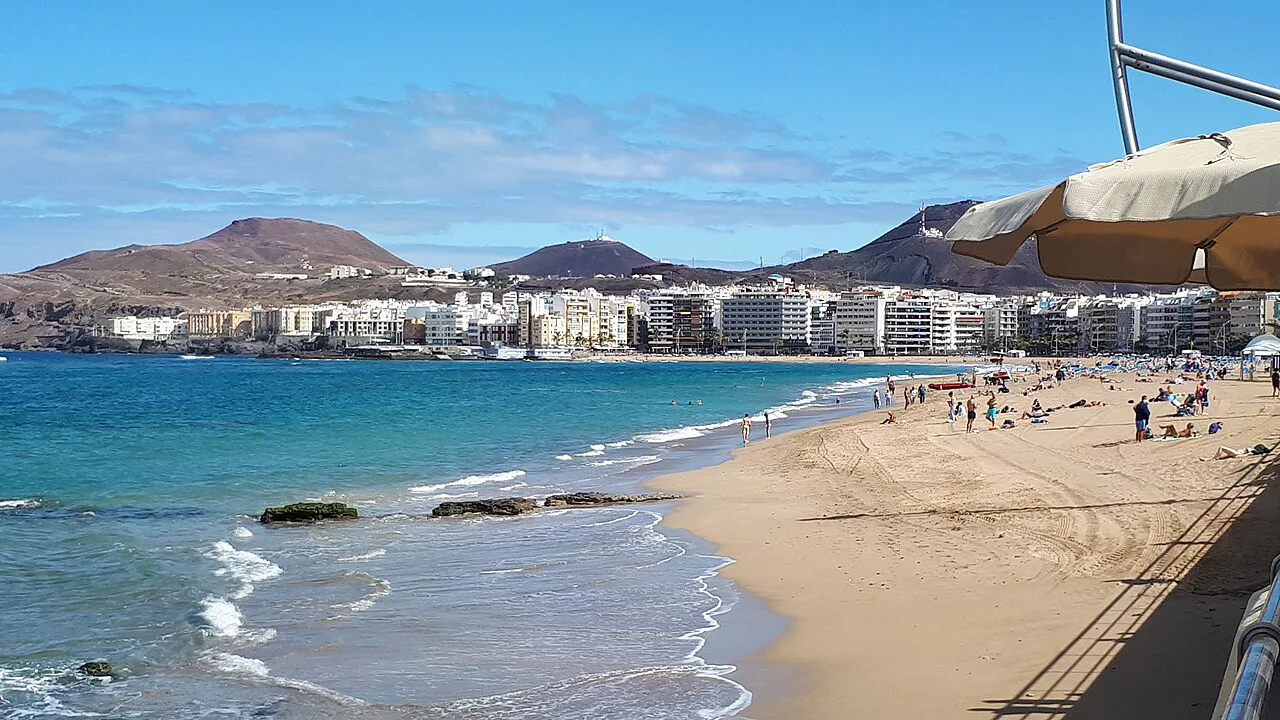
La Punta Yacht Club sits at the far end of Pasito Blanco harbour inside a gated community, so you pass security and head down to the end of the jetty. The kitchen covers traditional tapas and seafood, and the grilled octopus with a light white wine is the order that shows it off.
In August the club is members only, but in other months restaurant diners are welcome for lunch or dinner. Ciao Ciao on the Meloneras beach promenade covers the Italian side of the southern coast, with homemade pasta, pizza and properly Italian starters served with direct sea views.
Meat-Led Meals: Papi's Grill and Cueva Pirata
Papi's Grill sits second row on the Playa del Inglés promenade beside the beachfront parking, and the modern interior is a surprise given the location. It specialises in meat, and the chateaubriand for two is the dish to order if you want to judge the kitchen.
Cueva Pirata is built into a genuine cave uphill from the old fishing town of Arguineguín, with sea views and meat grilled over a large open fire inside the cave. It opens only in specific months, so check the restaurant's own channels before planning a meal there, and reserve ahead because later tables fill quickly.
When to Eat: Spanish Meal Times on the Island
Lunch is the main meal of the day and runs from about 1:30pm to 4pm, while dinner starts at 8:30pm and picks up from 9pm. Resort areas on the south coast stretch those windows for visitors, but village and mountain restaurants keep Spanish hours closely, so a 6pm dinner request will usually meet a closed kitchen.
Build the day around that rhythm: a long vineyard or cave lunch, a coffee and dessert stop mid-afternoon, and a later dinner of tapas or grilled fish. If your dates fall in a shoulder month, check how the season affects opening patterns before you commit to a fixed plan for Gran Canaria in October or during the busier weeks of September.
How to Build a Day of Eating Around These Places
Base yourself in the north for cheese and village cooking, or the south for seafood and grilled meat, and accept that some of the best meals need a drive into the centre. A workable shape is a vineyard lunch at the weekend, a ravine lunch at Tagoror on a Sunday, and a mountain coffee at Cruz de Tejeda on the way back.
Booking routes matter more than most guides admit: Señorío de Cabrera is appointment only at weekend lunchtimes, El Molino Quemado needs advance booking for brunch, La Colonial takes phone or WhatsApp reservations and Tagoror books through its website. Pair the plan with a wider Gran Canaria itinerary so meals sit naturally between sights rather than dictating the whole day.
Plan Your Visit
Start with the dish list, then pick the places: papas arrugadas and fried cheese at Tagoror, gofio and carne fiesta at La Colonial, bienmesabe at Cruz de Tejeda, and grilled octopus or chateaubriand in the south. Book the vineyard lunch and the brunch ahead, and keep one evening free for a late dinner of tapas after 8:30pm.
Confirm opening days and seasonal closures directly with each restaurant before you travel, especially for Cueva Pirata and the mountain and village kitchens. A short call or message the week before is the difference between a planned highlight and a locked door. If you are weighing up how long to stay, the guide to how many days in Gran Canaria helps you fit the vineyard, the ravine and the mountains into one trip.
Explore more Gran Canaria guides
Frequently Asked Questions
What food is Gran Canaria known for?
The island's signature dishes are papas arrugadas with mojo, gofio in its many forms including gofio escaldado, braised dishes such as ropa vieja and carne fiesta, and cheeses from the northern dairy belt, particularly Flor de Guía. Bienmesabe, a traditional dessert made with almonds in Tejeda, is the sweet to finish with. Order these rather than international resort menus and you will taste the island properly.
What is gofio and how is it eaten?
Gofio is flour milled from grains that have already been toasted, which gives it a nutty, faintly bitter flavour. It appears as gofio escaldado, a warm spoonable starter mixed with stock or water, as a soup thickener and garnish, and in sweet cooking. At La Colonial de Fontanales in Fontanales the gofio is milled in Moya and served as a smooth savoury paste with red onion.
What is Flor de Guía cheese?
Flor de Guía is a Canarian cheese made with rennet from thistle flowers instead of animal rennet, using a minimum of 60% raw sheep's milk. That traditional method makes it suitable for vegetarians who eat cheese made without animal rennet, and gives it a distinctly regional character. Look for it on cheese boards and in village shops in the green north around Guía and Moya.
What time do people eat in Gran Canaria?
Lunch is the main meal and runs from roughly 1:30pm to 4pm, while dinner begins around 8:30pm and gets busy from 9pm. Resort areas in the south stretch those windows for visitors, but village, cave and mountain restaurants keep Spanish hours closely, so a 6pm dinner usually meets a closed kitchen. Plan a long lunch and a later dinner instead.
Where can you eat traditional Canarian dishes in Gran Canaria?
Bar-Restaurant Tagoror in the Barranco de Guayadeque serves gofio escaldado, ropa vieja and papas arrugadas in cave dining rooms, and is a local favourite for Sunday lunch. La Colonial de Fontanales cooks hyper-local dishes including a Moya cheese selection and carne fiesta with forest mushrooms. For a mountain stop, the Parador de Cruz de Tejeda serves bienmesabe made with Tejeda almonds.
Do you need to book restaurants in Gran Canaria?
For several of the best meals, yes. Bodega Señorío de Cabrera runs vineyard visits at Friday, Saturday and Sunday lunchtimes by appointment only, El Molino Quemado requires advance booking for its brunch, La Colonial takes phone or WhatsApp reservations and Tagoror books through its website. Cueva Pirata opens only in specific months, so check its own channels before planning around it.
Sources
Notes for eating well in Spain
Optional updates to our guides.
You might also like
Continue reading
More guides you'll find useful