Santiago de Compostela in October: Weather and Crowds Guide
Plan a trip to Santiago de Compostela in October with honest advice on cooler weather, thinner crowds and walking the final Camino stages before winter.
On this page
October is a strong month to arrive in Santiago de Compostela on foot or by train: the summer press on the old town eases, daytime temperatures sit in a comfortable walking band and the cathedral square feels less like a queue. The trade-off is rain. Galicia turns wetter and evenings turn cooler, so layers and a proper waterproof matter more than sandals and a sun hat.
What October Is Like in Santiago de Compostela: The Short Answer
Expect mild, changeable days rather than heat. Temperatures in October typically range from 15 to 20°C across most of the Camino in Spain, which is close to ideal for walking and still pleasant for wandering the streets between showers. Pack for four seasons in one day: a warm mid-layer, a packable waterproof and shoes that grip wet granite.
Rain becomes more frequent and evenings cooler as the month goes on, with temperatures often sitting between 7°C and 13°C on the colder, wetter days. That range is not a forecast for any given year, but it tells you what to plan for: a warm evening layer and a hood you actually like wearing.
October suits walkers who prefer cool air to August heat and city visitors who would rather see the old town without shoulder-to-shoulder crowds. It does not suit anyone counting on beach weather, long dry days or a guaranteed sunset from a terrace.
October Weather: Cooler Days, More Rain and What to Pack
Think in layers, not outfits. A base layer, a light fleece or jumper and a waterproof shell cover the likely range from a mild midday to a chilly evening, and they pack small enough for a rucksack on the final Camino stages. Waterproof trousers and a dry bag for electronics are the two items walkers most often regret leaving behind in Galicia.
Footwear matters more than anything else. Wet granite setts in the old town and muddy forest tracks outside the city both reward shoes with real tread, and a spare pair of socks in your day bag turns a soaked afternoon into a minor inconvenience. Keep a warm hat and gloves within reach for late-October mornings.
Build one completely indoor day into your plan so rain does not ruin the trip. In Santiago that means a long lunch, a museum, or a slow morning with coffee while a shower passes, with the flexibility to swap a walking day for a city day if the sky refuses to clear.
Crowds and Prices After the Summer Peak
October sits in the shoulder season, and the difference is noticeable: the trails and the old town thin out once the school holidays end. Accommodation also becomes less predictable in availability, but shoulder-season rates for April and October run 20–30% below summer prices according to Camino weather planning, which makes a spontaneous extra night less painful.
The final stretch from Sarria stays the busiest part of the route because it is the minimum distance for the Compostela certificate, so book beds there ahead of time even in a quiet month. Further back along the Camino Francés through León and Burgos, October is calmer and you can often decide your stage the night before.
Prices for flights, trains and hotels move with demand rather than with the calendar, so compare a midweek arrival with a weekend one before you commit. If your dates are flexible, an early-October trip usually costs less than one over a Spanish public holiday weekend.
Walking Into Santiago in October: The Final Camino Stages
October is one of the best months to walk the last hundred kilometres into Santiago. Cool air keeps the climbs comfortable, the countryside is green after autumn rain, and the albergues are quieter than in September. If you are weighing up months, September is warmer and busier while October is cooler and calmer.
The practical risk is rain on exposed sections and slippery descents into Galicia. Start early to bank daylight, carry a head torch for short afternoons, and treat a wet day as a shorter stage rather than pushing on to keep a schedule.
City visitors and walkers need different advice for the same month. Walkers should plan around daylight and drying kit; city visitors can treat rain as a reason to spend the afternoon in a restaurant or a museum and save the walking for the next morning.
What to Do in the City When It Rains
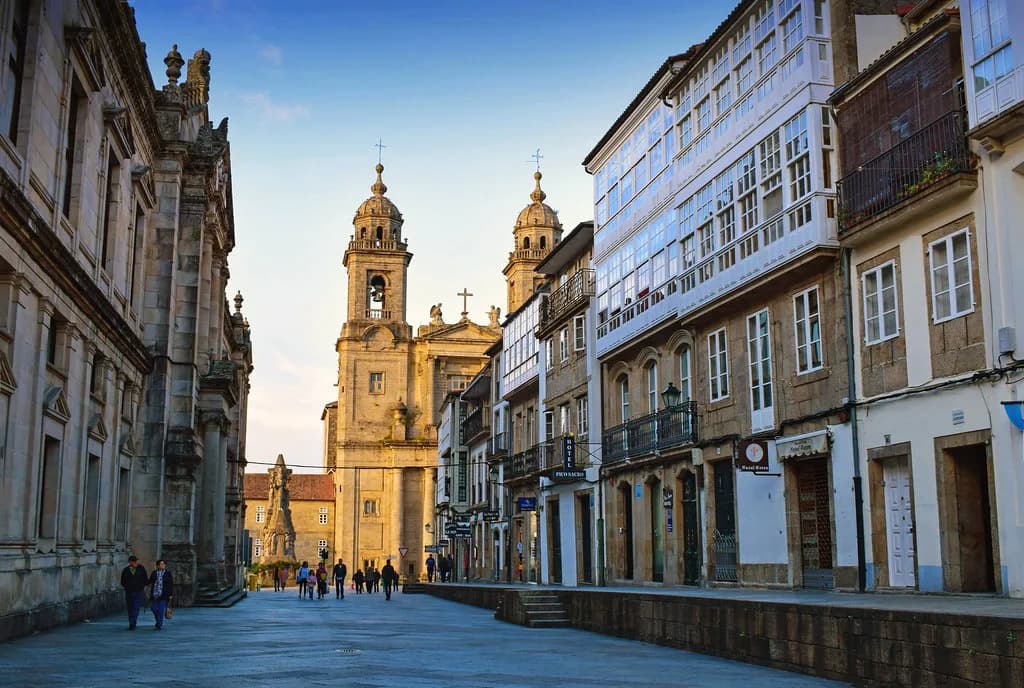
Start at the cathedral, then use the showers as an excuse to stay in the old town rather than retreat to a hotel. The square in front of the cathedral is at its most atmospheric in wet weather, with fewer people and the stone dark with rain, and it anchors most of the things to do in santiago de compostela in a short stay.
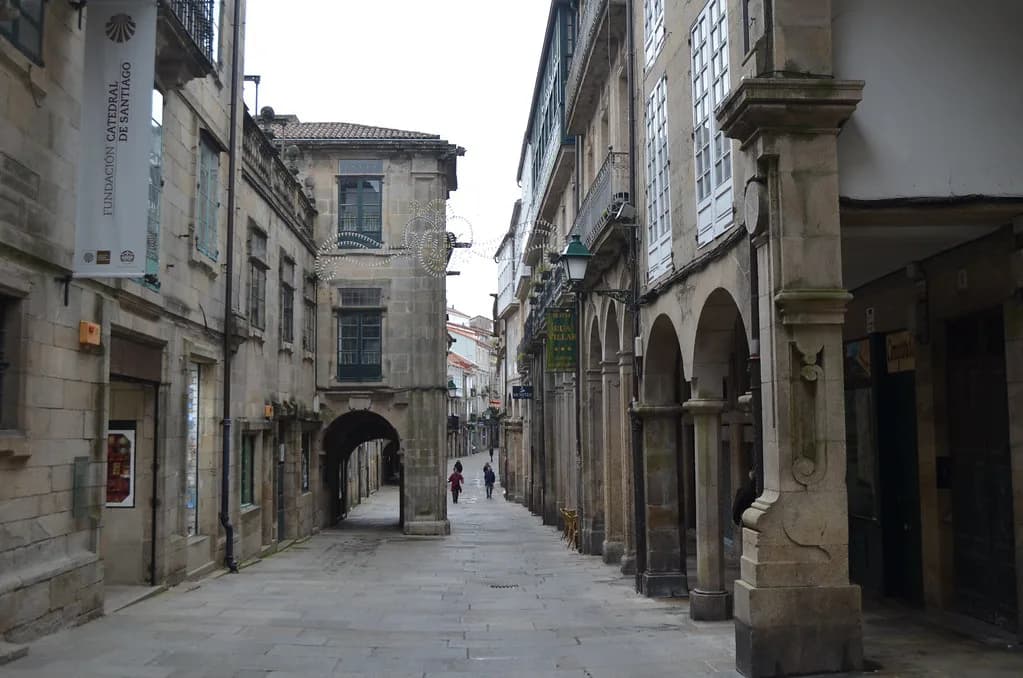
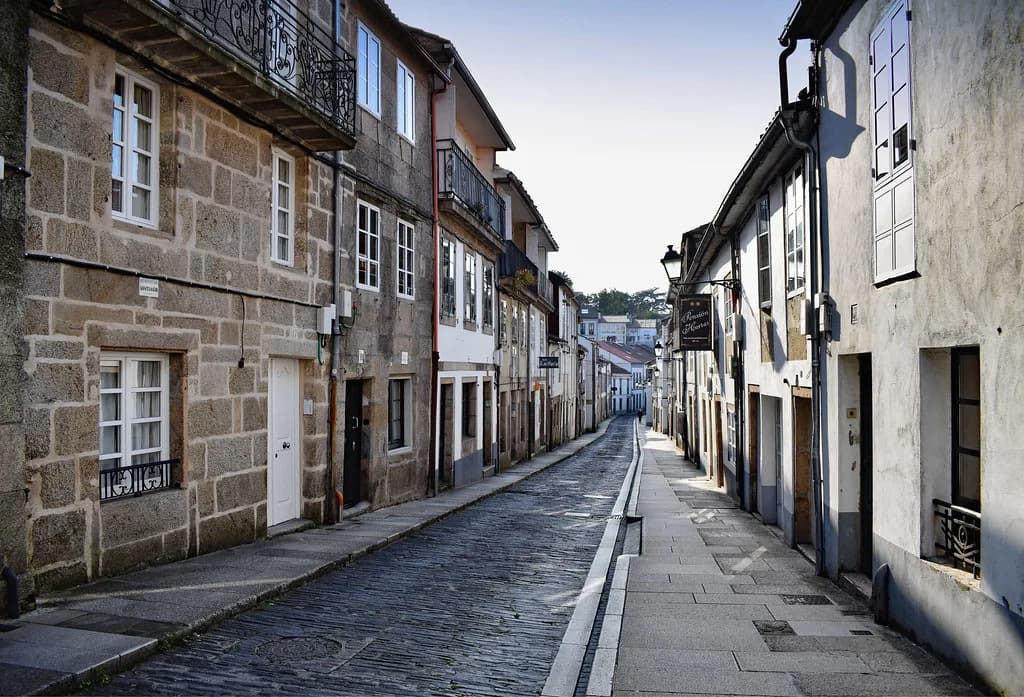
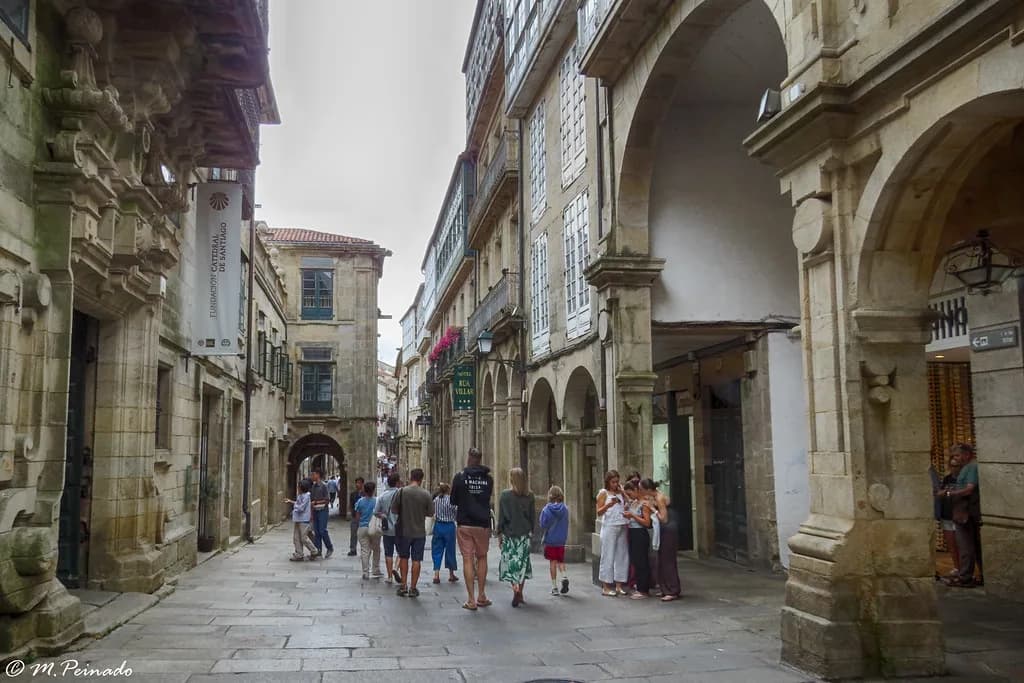
Covered markets and cloisters make good rain stops, and the narrow streets of the Casco Histórico stay walkable if you keep moving between arcades. Build a short indoor list before you arrive so a wet morning does not leave you standing under an awning deciding what to do.
Two full days covers the cathedral, the old town and a market meal without rushing, and three days gives you room for a wet-day Plan B and a day trip. If you are deciding how long to stay, count on losing one afternoon to rain in October.
Eating Well in October: Lunch at 1:30pm, Dinner From 8:30pm
Spanish meal times shape a wet October day more than any museum opening. Lunch runs from about 1:30pm to 4pm and dinner starts around 8:30pm to 9pm, so the hours between 4pm and 8:30pm are for coffee, a walk if it is dry, or a nap rather than a meal.
Use the long lunch as your rain shelter. A menu del día with several courses will easily fill the wet middle of the day, and by the time you finish, the afternoon shower has often passed.
Order Galician classics rather than international menu fillers: pulpo a la gallega, padrón peppers, and anything with tetilla cheese or lacón. A plate of pulpo and a glass of Albariño is a sensible bar order before dinner, and it keeps you going until the kitchens open.
If you want to cook for yourself or assemble a picnic for a dry afternoon, shop at the market in the morning when the stalls are fullest. Pair it with a broader list of local dishes so you know what to look for beyond the obvious.
Day Trips and the Coast When the Weather Holds
When a dry day appears, take it. The Galician coast and the estuaries west of the city reward a short train or bus ride, and a clear October day with low sun is better than a hot August afternoon for photographs and walking.
Keep a flexible return ticket so you can head back early if the rain sets in, and check the day's forecast the night before rather than planning a week ahead. Coastal weather in Galicia changes quickly, and an inland morning can be dry while the coast is soaked.
If you are comparing Spanish October destinations, Santiago is cooler and wetter than the south or the islands. Alicante in October and Fuerteventura in October both offer warmer, drier days, but neither gives you the Camino atmosphere or the granite old town.
Who October Suits and Who It Does Not
October suits walkers who prefer cool air and quiet trails, city visitors who want the cathedral without the summer crush, and anyone happy to swap a beach afternoon for a long lunch. It does not suit travellers chasing guaranteed sunshine, late-night terraces without a jacket, or anyone who needs every day to go exactly to plan.
If you want the same city in warmer, busier conditions, August is the other extreme: hotter, more crowded, and a different kind of trip. Comparing the two months side by side is the quickest way to decide which version of Santiago you actually want.
Build a loose itinerary around one indoor anchor and one outdoor anchor per day, and leave the rest to the weather. A two- or three-day plan with a wet-day alternative gives you the freedom to move things around without losing a day.
Plan Your October Visit
October in Santiago de Compostela is a month for layers, a waterproof and a flexible plan. Arrive expecting mild walking weather and more rain, book the Sarria stretch if you are finishing the Camino, and treat the long Spanish lunch as the best rain shelter in the city.
Check the forecast a few days before you travel and keep one indoor option per day. That is enough to turn a wet October into a good trip rather than a washout.
Explore more Santiago de Compostela guides
Frequently Asked Questions
Can you do the Camino in October?
Yes. October is a good month to walk, with cooler temperatures than summer and thinner crowds on most stages. Expect more rain and shorter days, so plan shorter stages and carry waterproofs. The final stretch from Sarria stays busy because it is the minimum distance for the Compostela certificate, so book beds there in advance.
Is October a good time to visit Santiago de Compostela?
It is a strong choice if you prefer cool walking weather and fewer people to summer heat and queues. Rain becomes more frequent and evenings are cooler, so bring layers and a waterproof. It is less suitable if you want guaranteed sunshine or beach days.
What is the weather like in Santiago de Compostela in October?
Days typically range from 15 to 20°C across most of the Camino, with cooler, wetter days dropping to around 7 to 13°C. Conditions vary by route and by year, so treat these as typical ranges rather than a guarantee and check the forecast before you travel.
How busy is Santiago de Compostela in October?
Quieter than summer but still active. The old town and the trails thin out once school holidays end, and shoulder-season accommodation rates typically run below summer levels. The last hundred kilometres into Santiago remain the most crowded section, so book those beds ahead.
What should I pack for Santiago de Compostela in October?
Layers, a waterproof shell, waterproof trousers and shoes with grip for wet granite and muddy tracks. Add a warm hat and gloves for late-October mornings, and keep a spare pair of socks or a dry bag in your day bag so rain does not end your day early.
Sources
Notes for eating well in Spain
Optional updates to our guides.
You might also like

Continue reading
More guides you'll find useful