How Many Days in Santiago de Compostela? 1, 2 or 3 Days
Work out whether one, two or three days in Santiago de Compostela suits you, with a day-by-day plan of cathedral, old town, markets and tapas bars.
On this page
Two full days is the right answer for most visitors: enough for the cathedral, the Praza do Obradoiro, the Mercado de Abastos and two unhurried meals in the old town. One day works if the cathedral and a tapas crawl are the whole point of the trip. Three days rewards anyone who wants the museums, the parks and a full food day built around the market.
Why Santiago rewards a slower pace
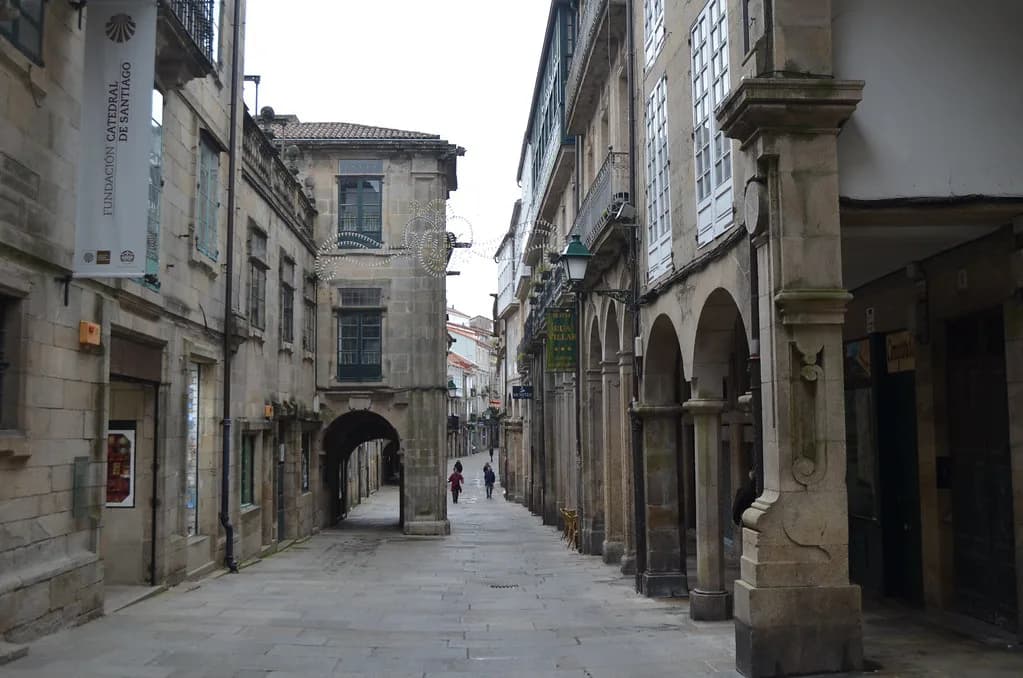
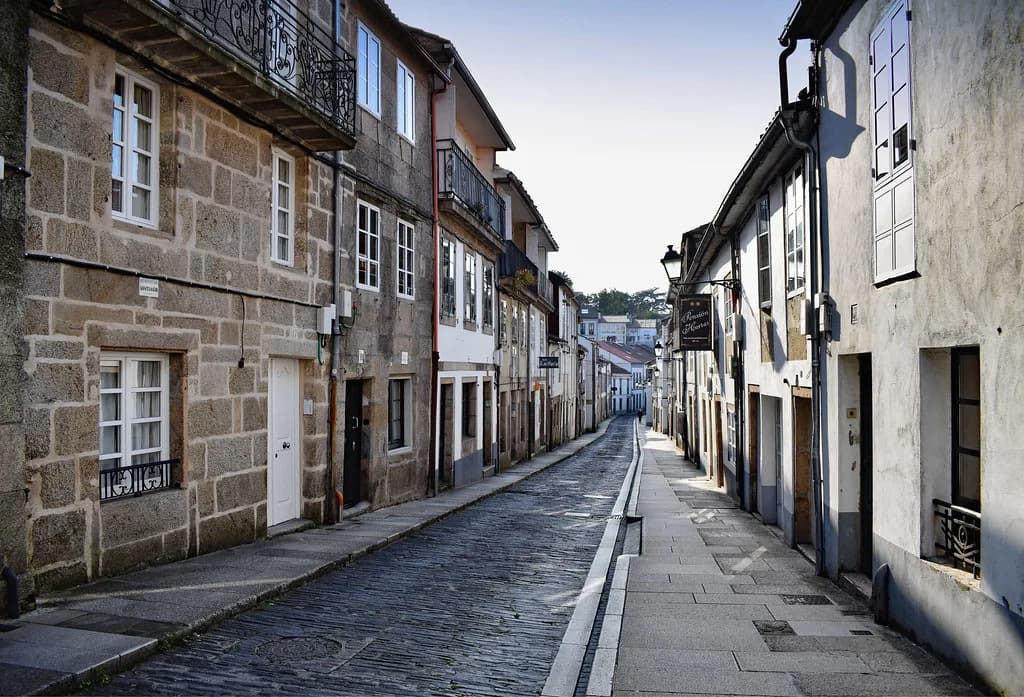
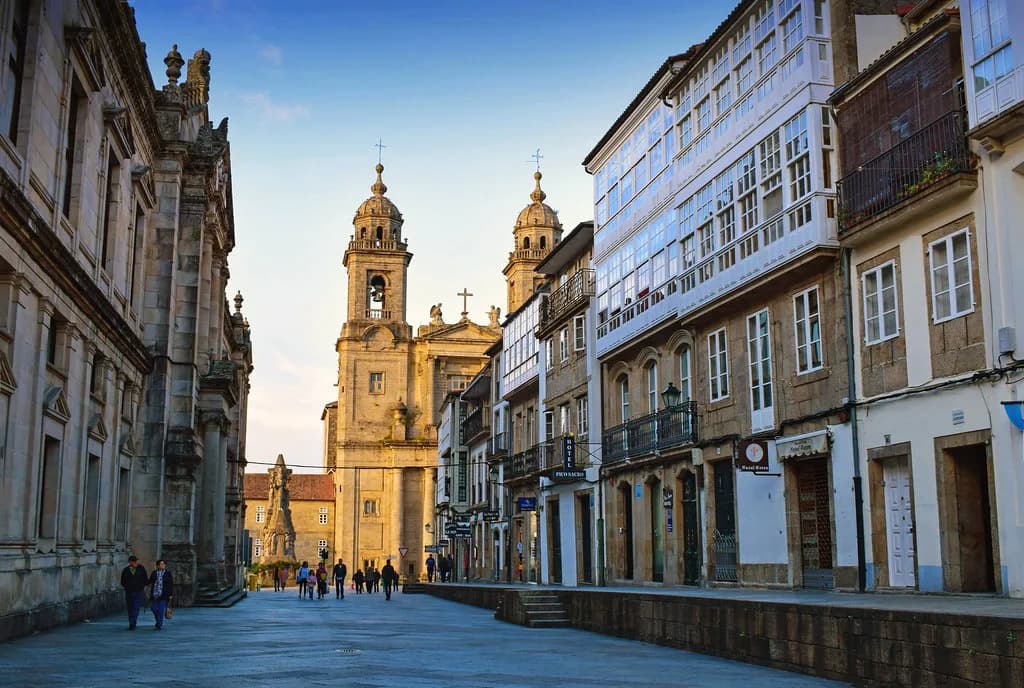
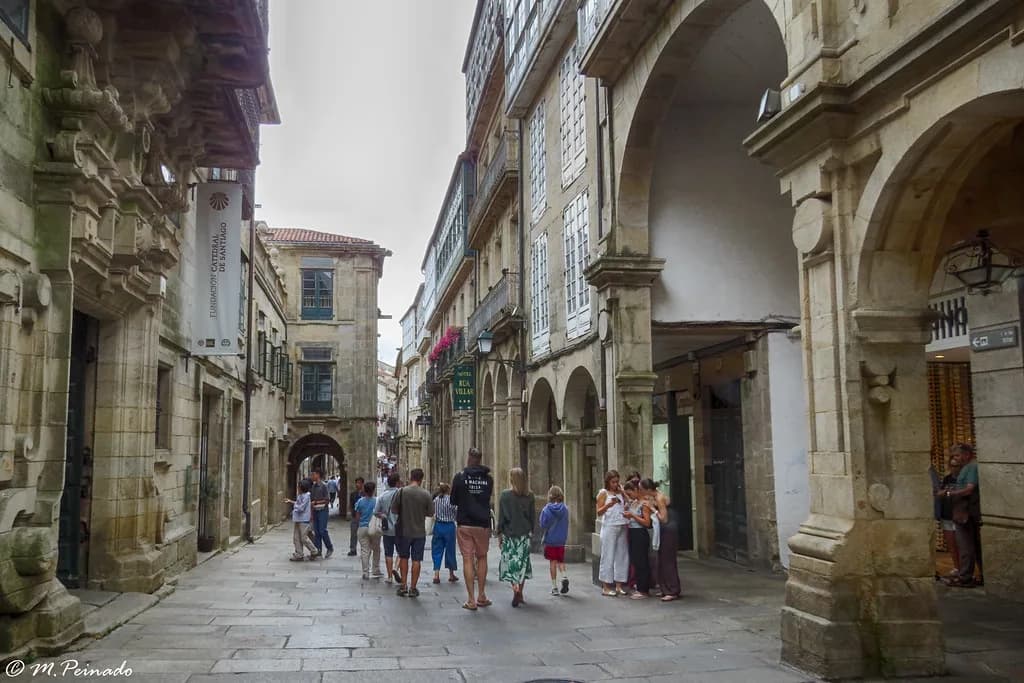
Santiago de Compostela is the historic endpoint of the Camino de Santiago pilgrimage routes, and its UNESCO-listed old town packs narrow medieval streets, granite squares and baroque, Romanesque and Gothic architecture around the cathedral. Everything sits close together, which tempts you to sprint. The better plan is fewer sights per day, because the pleasure of the place is walking the same streets at different hours and eating between them.
One day in Santiago
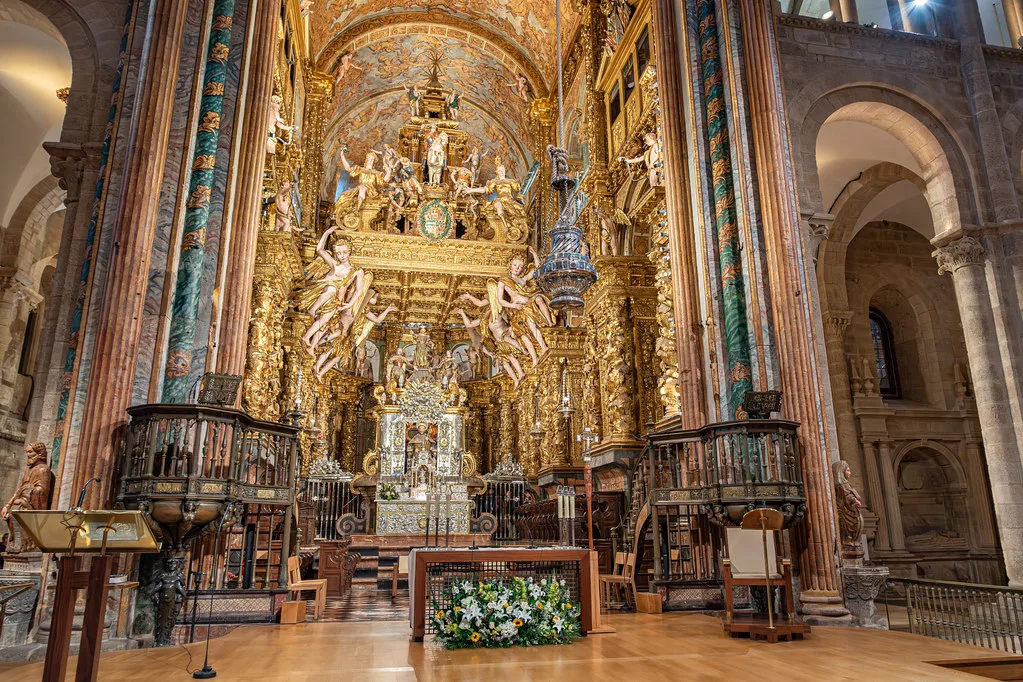
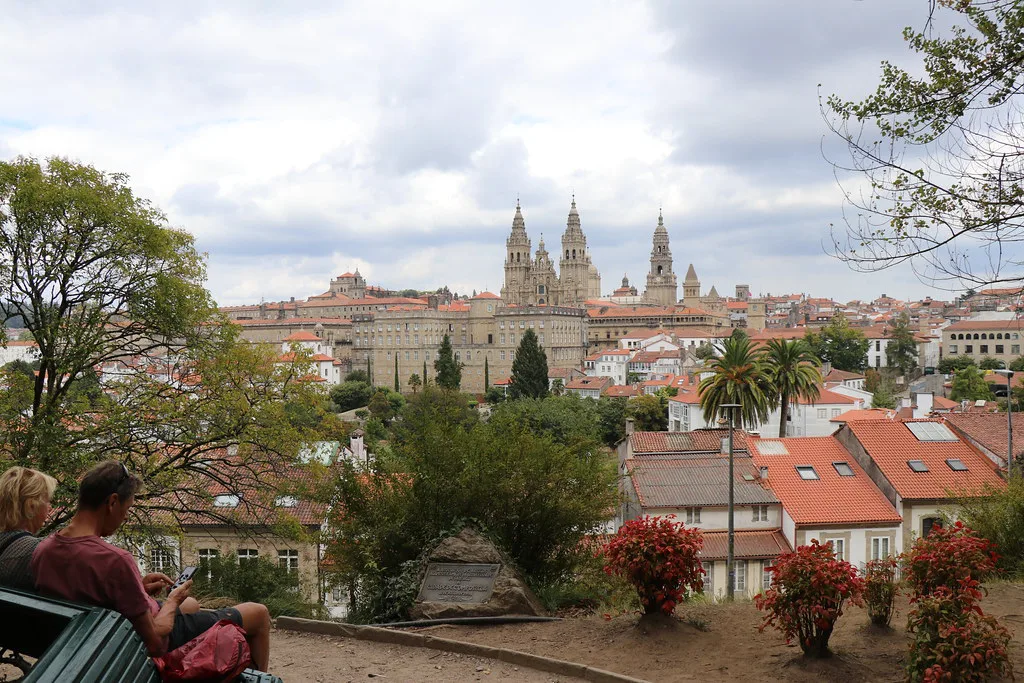
Start at the Cathedral of Santiago de Compostela and the Praza do Obradoiro, the square whose facade has become the symbol of the city and appears on Spain's small-value euro coins. The cathedral is the busiest sight in Galicia, so arrive early and treat the square as a place to sit afterwards rather than a photo stop.
Walk down to the Mercado de Abastos for meats, flowers, produce, cheeses and seafood from the rías, then head for Rúa do Franco and Rúa da Raíña, where the market crowd spills into tapas bars. On a single day keep the eating close: A Taberna do Bispo on Rúa do Franco serves Galician tapas with a seafood focus, and Taberna O Gato Negro on Rúa da Raíña is the place for generous seafood plates and its celebrated octopus.
Bar La Tita on Rúa Nova gives you the classic Santiago move: a drink comes with a complimentary pincho of tortilla, and the tortilla here is the reason to stop. Pepa A Loba, near the cathedral on Rúa do Castro, is a good fallback for coffee, cake and a large brunch-style plate if the rain sets in.
Two days in Santiago
Add the Museum of the Galician People, an ethnographic collection in a former convent complex on Costa de San Domingos that covers Galician trades, clothing and traditions from prehistoric finds onwards. Pair it with Parque de San Domingos de Bonaval next door, where hydrangea gardens, shaded woods and a 1747 fountain sit below a lawn with views back to the cathedral towers.
For the evening, Casa das Crechas on Vía Sacra runs music gigs every week and hosts a foliada, an informal traditional music session, on Wednesdays. It is friendly, informal and good value, with outdoor seating in summer. Check the week's line-up locally before you build an evening around it.
Eat dinner late, Spanish-style: dinner starts from 8:30–9pm, so an 8pm music set and a 9pm table fit together neatly. Mesón 42 on Rúa do Franco is the modern-Galician pick, with empanada, grilled scallops, octopus toast and filloas stuffed with cream and honey on the menu.
Three days in Santiago
Give the third day to food and views. A Noiesa Casa de Comidas, a family-run place serving locally sourced homestyle Galician cooking in a light, bohemian room, is the kind of lunch worth planning the day around: pulpo a feira, tomato salad with bonito, mussels, aubergine with Galician honey and a tarta de queso that regulars single out. Book ahead for lunch, which runs from 1:30–4pm.
For the view, buy cathedral rooftop and tower tickets directly at the cathedral shop rather than through a private tour company; the ticket also covers several museums over a seven-day window. The rooftop tour explains the cathedral's tejado and the city around it.
Finish in the Parque da Alameda, the city's classic promenade of trees and views, and use the extra day for the old town's shops rather than another museum. If your dates fall in August, plan around pilgrim traffic and heat, and check the calendar of feast days before booking.
Where to eat across your days
Group your eating by street so you walk one route instead of zig-zagging. Rúa do Franco holds Mesón 42 and A Taberna do Bispo; Rúa da Raíña holds Taberna O Gato Negro; Rúa Nova has Bar La Tita; and the Mercado de Abastos anchors the whole circuit. The market area also has Abastos 2.0 and Bar La Cueva for a market-led lunch.
What to order in Santiago
Order pulpo a feira, empanada, grilled scallops, tortilla, tarta de queso and filloas, and share plates family-style rather than ordering a starter and main each. Galician beef entrecote and cod appear alongside the seafood on the better menus. Seafood from the rías and Padrón peppers are the market's signature, so build at least one meal around them.
Spanish meal times and how they shape a Santiago day
Lunch runs from 1:30–4pm and dinner from 8:30–9pm, which leaves a long late-afternoon gap. Use it for the museum, the park or the cathedral rooftop, then eat properly at 9pm when the kitchens are busy. A sit-down lunch at 1:30pm also means you can skip a heavy afternoon snack and arrive hungry for tapas.
Who should stay longer
Pilgrims finishing the Camino should add a day: the cathedral, the pilgrim Mass and the simple business of not walking any more deserve time. Museum-goers can fill a third day between the Museum of the Galician People and the cathedral's own collections. Santiago also works as a base for day trips to the Atlantic coast and other Galician towns, which is where a fourth or fifth night earns its keep.
Check what is on in the city on your dates before you commit to a length of stay; the Santiago de Compostela in August guide covers the busiest stretch of the pilgrim calendar, while the September guide suits quieter walking weather.
Who should keep it short
City-break travellers who want the cathedral, one good lunch and a tapas crawl should book a single night and spend the money on food instead of an extra hotel night. The old town is compact enough that a one-day plan never feels rushed. Add a second day only if you want the market and the museum in the same trip.
Trade-offs to plan around
The cathedral is the busiest sight in the whole Galician province, so expect queues and crowds, especially around midday when pilgrims arrive in the square. Parts of the interior, including the Pórtico da Gloria, sit behind timed tickets, so decide before you travel whether that is worth planning your morning around. The old town is hilly granite with uneven paving, and comfortable shoes matter more than any packing list.
Plan Your Visit
Two days is the sweet spot for most trips: cathedral and old town on day one, museum, park and a late dinner on day two. Stretch to three if you want a full market-and-food day and the rooftop view. Book the cathedral visit directly, keep dinner at 9pm, and let the walking between meals be the sightseeing. Weighing the same one-, two- or three-day decision elsewhere, see how many days in Alicante compares.
Explore more Santiago de Compostela guides
Frequently Asked Questions
Is two days enough for Santiago de Compostela?
Yes for most visitors. Two full days covers the cathedral and Praza do Obradoiro, the Mercado de Abastos, a tapas crawl along Rúa do Franco and Rúa da Raíña, the Museum of the Galician People and Parque de San Domingos de Bonaval. You will not have time for a full market-and-food day or the cathedral rooftop unless you cut something.
Is Santiago de Compostela worth seeing?
Yes. It is the historic endpoint of the Camino de Santiago, with a UNESCO-listed old town of granite squares and medieval streets built around a Romanesque cathedral that holds later Gothic and baroque additions. Even travellers with no interest in the pilgrimage find the food and architecture justify the trip.
What should I do in Santiago in three days?
Spend day one on the cathedral and the old town, day two on the Museum of the Galician People, Parque de San Domingos de Bonaval and an evening of Galician music at Casa das Crechas, and day three on a long lunch at A Noiesa Casa de Comidas, the cathedral rooftop or tower, and the Parque da Alameda.
What is the best area to eat in Santiago de Compostela?
The streets between the Mercado de Abastos and the cathedral: Rúa do Franco, Rúa da Raíña and Rúa Nova. You can eat at A Taberna do Bispo, Mesón 42, Taberna O Gato Negro and Bar La Tita within a short walk, with the market anchoring the route.
Does Santiago de Compostela suit a one-day visit?
It does if the cathedral and food are your priorities. A single day fits the Cathedral of Santiago de Compostela and Praza do Obradoiro, the Mercado de Abastos and a tapas crawl. Skip the museums and the parks, and book one night so you can eat dinner at 9pm rather than catching a train.
How do I book cathedral rooftop and tower visits?
Buy directly at the cathedral shop rather than through a private tour company. The ticket includes entry to several museums over a seven-day window, so it can replace separate museum tickets. Confirm the rooftop tour times at the shop when you arrive.
Sources
Notes for eating well in Spain
Optional updates to our guides.
You might also like

Continue reading
More guides you'll find useful