Santiago de Compostela Itinerary: 2 and 3 Days on Foot
Plan a Santiago de Compostela itinerary of two or three days, built around the cathedral, Old Town squares, the food market and Galician dishes.
On this page
Two days is the natural length for Santiago de Compostela. The historic centre is compact enough to walk end to end, so day one belongs to the cathedral and the Obradoiro squares, day two to the food market, the shops around it and a slower loop of arcaded streets and green space. The city rewards a plan built around Spanish meal times rather than a fixed clock.
This itinerary uses suggested slots, not published opening hours. Treat each time as a block you can stretch or shorten depending on crowds, and check cathedral, museum and market times directly before you travel.
Why Two Days Is the Natural Length for Santiago de Compostela
Santiago de Compostela is the finish line for the many pilgrimage routes of the Camino de Santiago that lead into northwest Spain, which means the centre fills and empties in waves through the day. Planning by area rather than by the minute lets you dodge the busiest moments around the cathedral and still see everything that matters on foot.
A two-day stay covers the cathedral, the Cathedral Museum, the Old Town squares, the food market and a green-space loop without rushing. If you want to weigh one, two or three days more carefully, our guide to how many days in Santiago de Compostela sets out the trade-offs.
Season changes the feel of the city more than it changes the itinerary. Pilgrim numbers and daylight shift month to month, so read Santiago de Compostela in August if you are travelling in high summer, or Santiago de Compostela in September for the shoulder weeks.
Where to Base Yourself: Inside the Old Town or Just Outside It
Staying inside the Casco Histórico puts the cathedral, the squares and the evening music within a few minutes' walk, and it means you can drift back to your room between the afternoon lunch and the late dinner. The trade-off is noise on busy nights and less choice if you want modern hotel facilities.
Santiago has centuries-old accommodation in the historic centre, which suits anyone who wants the building itself to be part of the trip rather than a neutral base. Book early if that is the plan, since character properties are a small slice of the city's rooms.
Staying just outside the old town trades atmosphere for quiet and easier luggage handling on cobbles. Either way, base yourself within walking distance of the Obradoiro, because every version of this itinerary starts and ends there.
Day One: The Catedral de Santiago de Compostela and the Obradoiro Squares
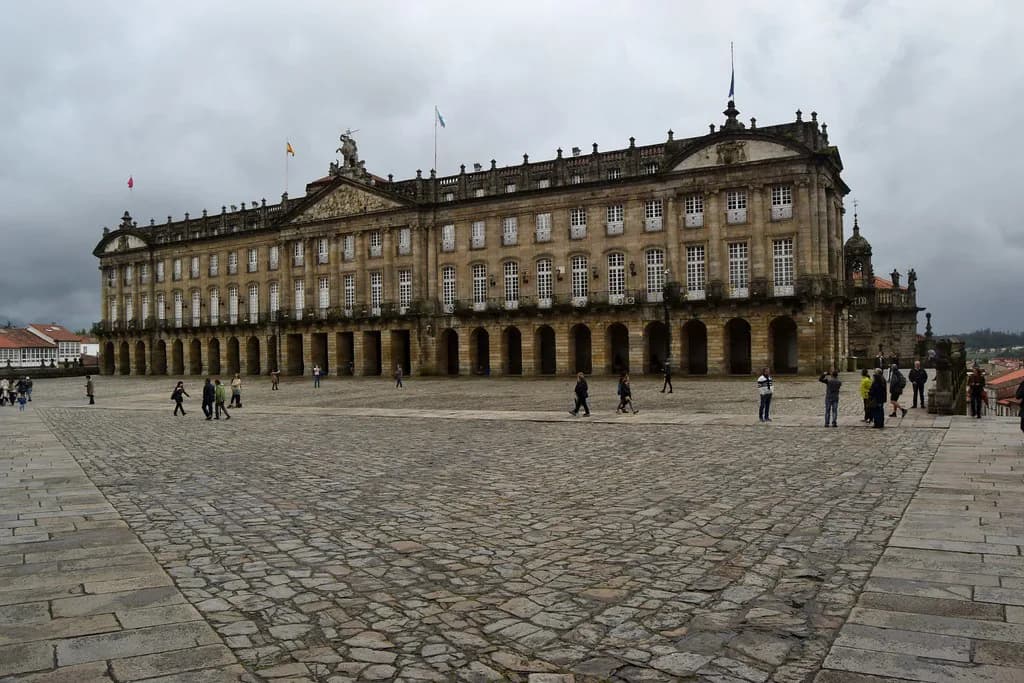
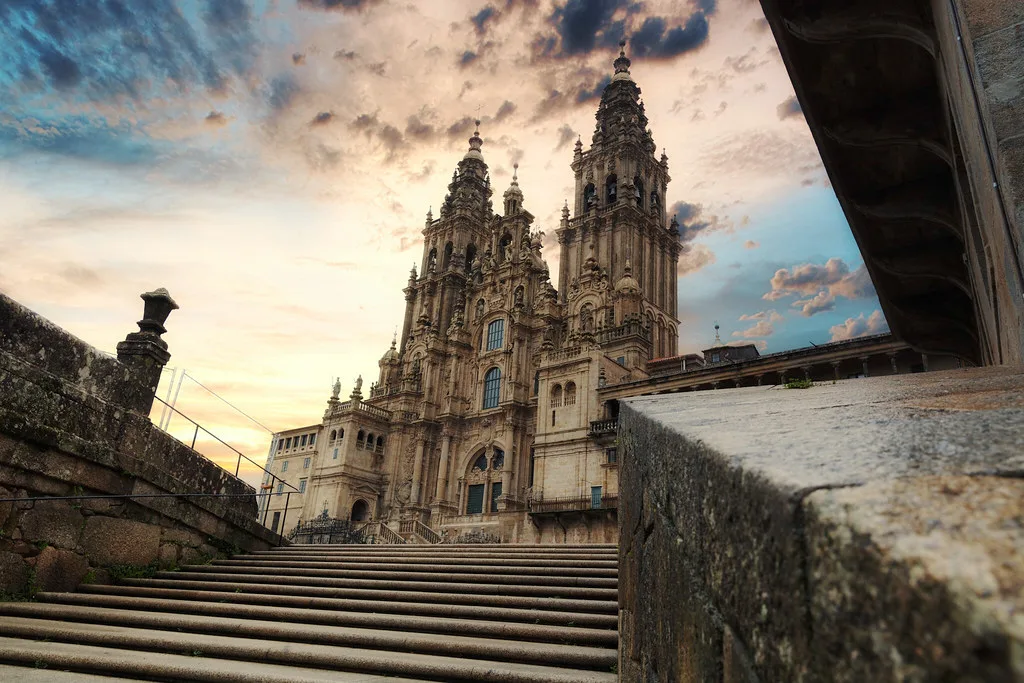
Start day one early at the Obradoiro and give the cathedral your first hour, before the groups build. The Catedral de Santiago de Compostela is the reason most people come, and seeing the façade and the square around it in relative calm is worth an early alarm.
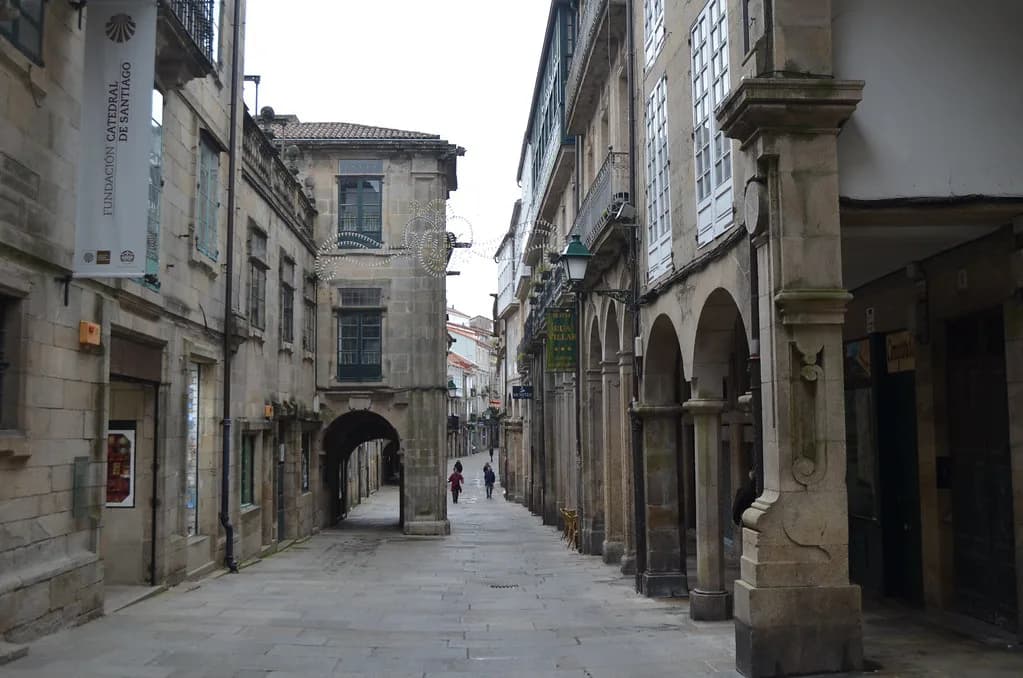
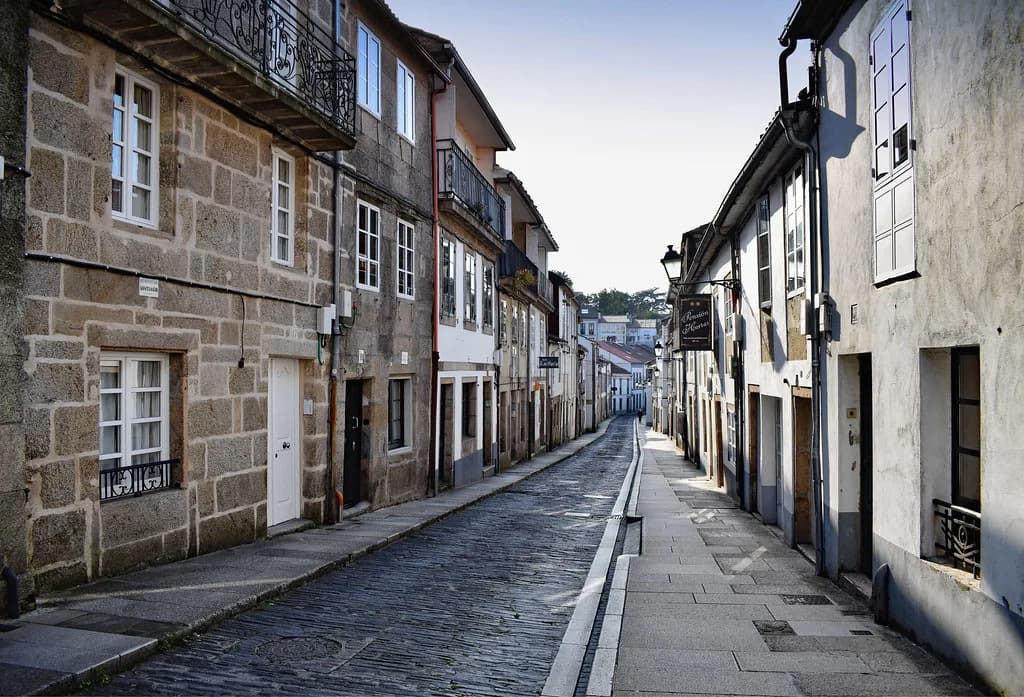
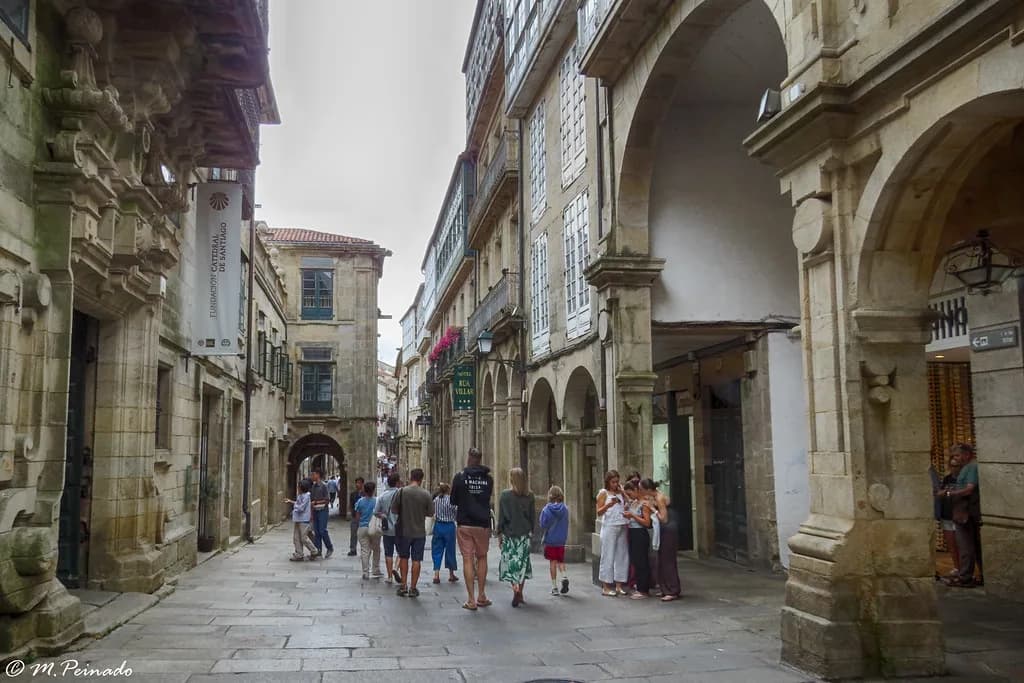
Once you have circled the cathedral, roam the squares, monasteries and museums that sit within a few minutes of it. The old centre is a knot of arcaded stone streets that works best on foot, with no need for transport between stops.
Day One, Continued: The Cathedral Museum and the Monastery and Museum Stops
The Cathedral Museum is the obvious second stop, and it deserves a proper slot rather than a quick lap. Decide before you go whether the museum or more Old Town wandering gets the longer stretch: the museum for context on what you have just seen, the streets for atmosphere and shops.
Build the monastery and museum stops around Praza de Cervantes and the Mosteiro de San Paio de Antealtares, which sit naturally on a loop back towards the cathedral. A sample route pairs the two with the square, so you can walk it in an afternoon without backtracking.
Lunch Day One: A Sit-Down Galician Lunch in the Early Afternoon
Spanish lunch runs from about 1.30pm to 4pm, and Santiago keeps to that rhythm. Aim to sit down around 2pm for a proper Galician lunch rather than a snack, because this is the meal that carries the afternoon and the kitchen is at its best.
Order from the Galician repertoire: pulpo a la gallega, seafood and tetilla cheese all belong on the table. Our guide to what to eat in Santiago de Compostela covers the dishes worth prioritising when you only have a couple of lunches.
Prices vary by restaurant and by what you order, so check the menu at the door before committing. A long lunch also buys you a slower afternoon, which is the right pace after a morning on your feet.
Day One Evening: Old Town Music and a Late Dinner
Santiago's Old Town has a live music scene that builds through the evening, and the arcaded streets make it easy to move between squares as the light goes. Dinner starts from about 8.30pm to 9pm, so use the gap for the music rather than eating early.
Keep the evening flexible: a late dinner after the music, then a short walk back to your base inside or beside the old town. The market is a daytime stop, so leave it for the morning rather than chasing it after dark.
Day Two Morning: Santiago's Food Market and the Shops Around It
Santiago's food market is the centrepiece of day two, and it is a morning and midday stop rather than an evening one. Explore it slowly, then pick up local produce from the shops in the surrounding streets instead of buying souvenirs from the first rack you see.
The market doubles as a place to eat, so a late-morning plate of seafood here can stand in for a starter at lunch. Between the market and the cathedral streets you can cover most of the shopping you will want in one loop.
Day Two Afternoon: Green Spaces and a Slower Loop of the Historic Centre
Find some green space in the afternoon and break up the stone. Santiago's parks and gardens give you a bench, shade and a change of pace before the evening meal, which matters more than it sounds after two days of cobbles.
Finish the afternoon with a slow loop of the historic centre, taking in the squares you skipped on day one. If you are in the city in October, the light and crowds shift again, which is worth factoring into how long you spend outdoors.
Day Two Evening: Tasting Galician Flavours, from Seafood to Tetilla Cheese and Albariño
Galician cooking is the point of the evening: seafood, tetilla cheese and Albariño are the shorthand for the region's table. Build the meal around a few shared plates rather than a single main, and let the wine do the rest.
Tapas-style eating suits a late start, since dinner from 8.30pm to 9pm means you will be eating well into the night. Our best tapas in Santiago de Compostela guide is the place to shortlist bars before you go.
Day Three Option A: A Quieter Day of Churches, Cloisters and Arcaded Streets
Stay in the city for day three and the pace drops: churches, cloisters and arcaded streets you passed without stopping. This is the better choice if you have already walked a Camino route and want to rest the legs, or if the weather is against a day out.
Use the day for the Cathedral Museum if you skipped it, and for the smaller religious buildings and squares around the old centre. Combine it with the market in the morning and a long lunch, and the day fills without a single taxi.
Day Three Option B: A Day Trip Out of the City
Leaving the city for day three suits anyone who has already had their fill of stone streets. Check the current timetable and buy tickets the day before, since services and departure points change by season.
The trade-off is real: a day trip costs you the slow morning in the market and the second long lunch. If this is your only visit and the cathedral has been the main draw, staying put often gives the better trip.
Meal Timings: Lunch from 1.30pm to 4pm, Dinner from 8.30pm to 9pm
Spanish meal times are the spine of this itinerary. Lunch from 1.30pm to 4pm and dinner from 8.30pm to 9pm mean the middle of the afternoon is yours for museums, markets and parks, and the evening starts late.
Eat a proper breakfast, keep a snack for the late-afternoon gap and resist sitting down to dinner at six. If you want a fuller plan for the eating side of the trip, start with where to eat in Santiago rather than building the day around one restaurant.
Where to Stay If You Want a Centuries-Old Building
A stay in a centuries-old building is one of the things Santiago does well, and it pairs naturally with a two-day plan centred on the old town. Ask about stairs and luggage access before booking, because historic properties are not always easy with heavy bags.
Pair the plan with the wider list of things to do in Santiago de Compostela, which fills the gaps between meals and cathedral visits. If you are comparing this trip with other Spanish city breaks, our Alicante itinerary follows the same area-by-area logic.
Plan Your Visit
Two days gives you the cathedral, the museum, the market and the music without rushing; a third day is a choice between deeper time in the old town and a trip out of it. Fix the two meal times first, then fit the sights around them.
Trust the site's own information for cathedral, museum and market hours rather than an old guidebook. Book sleeping and eating spots ahead in busy months, and keep one afternoon unscheduled for the city to surprise you.
Explore more Santiago de Compostela guides
Frequently Asked Questions
Is two days enough in Santiago de Compostela?
Yes, for the historic centre. Two days covers the cathedral and Obradoiro squares on day one, then the food market, shops and a green-space loop on day two, all on foot. A third day adds either quieter churches and cloisters in the old town or a trip out of the city, and that is a choice about pace rather than about missing sights.
When do people eat lunch and dinner in Santiago de Compostela?
Lunch runs from about 1.30pm to 4pm and dinner from about 8.30pm to 9pm, in line with the rest of Spain. Sit down for a proper lunch around 2pm and keep the late afternoon free for museums, markets and parks. Dinner then starts late enough that the early evening works well for the Old Town music rather than an early meal.
What is the best time of day to visit the cathedral?
Go early, before the groups build around the Obradoiro, and give the cathedral your first hour of day one. That timing leaves the rest of the morning for the squares and museums nearby, and the market for day two. Cathedral visiting times change, so confirm them with the cathedral before you travel.
Do I need to book the Cathedral Museum in advance?
It is worth deciding before you go whether the museum or more Old Town wandering gets the longer slot, because the museum rewards a proper stretch rather than a quick lap. Entry arrangements and times can change through the year, so confirm them directly with the museum when you fix your dates.
Where should I stay for a two-day visit?
Inside the Casco Histórico if you want the cathedral, squares and evening music within a few minutes' walk, accepting noise on busy nights. Just outside the old town if you prefer quiet and easier luggage handling on cobbles. Either way, stay within walking distance of the Obradoiro, since every version of this itinerary starts and ends there.
Sources
Notes for eating well in Spain
Optional updates to our guides.
You might also like

Continue reading
More guides you'll find useful