Santiago de Compostela in September: Plan Your Trip
September in Santiago de Compostela brings shorter days, a real chance of Galician rain and lighter pilgrim traffic than August, with autumn scenery on the Camino.
On this page
September in Santiago de Compostela is a bridge month: the summer pilgrim surge eases, the equinox on 23 September marks the official start of autumn, and the weather turns less predictable. Days are still warm enough for comfortable walking, but rain becomes a real factor, above all in Galicia and along the northern routes. Treat September as shoulder season rather than a second August and you will plan it well.
This guide covers what the month actually feels like on the ground, how crowds shift, why the last stretch of the Camino Francés behaves differently from the Meseta, and how to build a preparation timeline before you fly. It also covers Santiago itself as a city for a rainy afternoon, not just a finish line.
September in Santiago at a glance
Santiago de Compostela in September sits between the busy summer pilgrimage and the quiet winter months. The autumn equinox falls on 23 September, and travel companies describe the season that follows as one of fewer walkers, shorter daylight and a heavier rucksack once rain gear goes in. That is a fair summary of what to expect: pleasant walking temperatures, but a month that can turn wet without much warning.
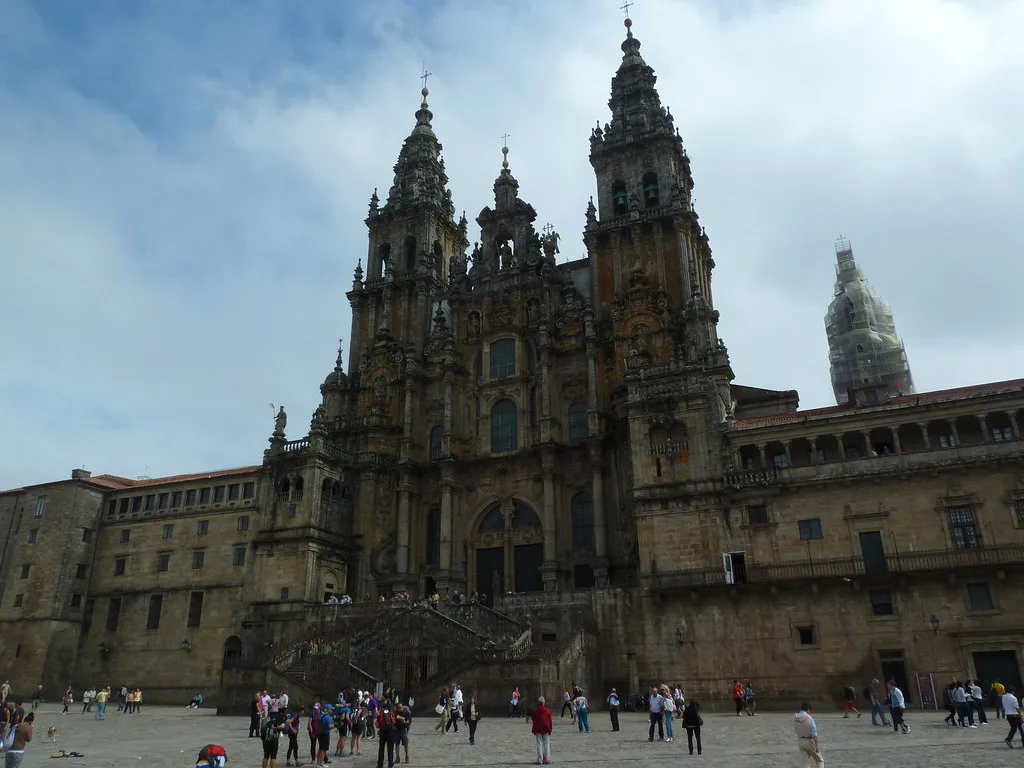
The city itself rewards a slower pace in September. Use the cathedral square as your anchor, then branch out into the old town's granite lanes, covered markets and café terraces. Our guide to the things to do in santiago de compostela covers the headline sights, and it works well as a base for planning a short city stay either side of a walk.
Weather: warm days, shorter daylight and more rain
September usually starts with a late-summer feel and cools as the month runs on. The bigger shift is daylight: the Pilgrim guide notes that autumn brings shorter days, with night falling earlier and dawn arriving later, which trims the hours available for walking or sightseeing. Plan stages around finishing before dusk rather than counting on long summer evenings to carry you.
Rain is the honest trade-off. The same guide warns that weather can change quickly in autumn, with sudden heavy rain, especially in northern Spain and Galicia, and that walkers end up carrying more to stay dry. Build a waterproof layer and a dry bag into your packing from the start rather than buying them on arrival.
For a sense of how September has actually behaved in Santiago, historical daily records for the city give you a realistic picture of past conditions. Read them as background rather than a forecast, and check a current forecast in the days before you travel.
Galicia versus the Meseta: why the final stretch feels different
Walkers arriving from the Meseta notice the change immediately. The long, exposed plateau between Burgos and León is dry and hot in summer, and a month-by-month weather guide describes the Meseta as baking under intense sun while Galicia stays moderate and occasionally rainy. Pack for two climates if you are covering both halves of the Camino Francés.
The last hundred kilometres from Sarria into Santiago are the busiest section of the Francés in high season, because it is the minimum distance many walkers cover to qualify for a Compostela certificate. That pressure eases once August ends, but book beds in the final stages rather than counting on a municipal albergue having space.
Galicia's weather in September also changes what you see. Damp Atlantic woodland, stone villages and misty mornings replace the baked plateau, and the walking feels greener and cooler. It is less photogenic in flat light, but far kinder on the legs than the Meseta in high summer.
Crowds: how pilgrim numbers shift once August ends
September is markedly quieter than August on the Camino, and the Pilgrim guide lists fewer pilgrims, more freedom of movement and more peaceful rest as the main advantages of autumn walking. Shared dormitories are calmer, queues shorten and the cathedral square in Santiago feels less like a stadium.
Quieter does not mean empty. The busiest stretch in high season is the final hundred kilometres from Sarria, where walkers cover the minimum distance needed for a Compostela certificate. If you want solitude, start early in the day and avoid finishing stages in the late afternoon when the main wave arrives.
For comparison, our guide to santiago de compostela in august shows what peak-season pressure looks like in the city and on the trail. September gives you the same route with noticeably more breathing room, which matters most in the last week before the equinox.
Costs: shoulder-season value in practical terms
Shoulder-season pricing is the practical argument for September. The weather guide describes April and October as shoulder months with accommodation that is less predictable but cheaper than summer, and September behaves similarly as demand falls away after the August peak. Expect better availability and softer rates than high summer, but confirm the total on booking rather than relying on a headline figure.
Prices for albergues, hotels, pilgrim menus and luggage transfer vary by operator and season, and no single figure holds across the route. Compare a few bookings directly and check what is included, particularly breakfast and cancellation terms, before you commit.
The Camino Francés as the September pick
If you are choosing one route for September, the Camino Francés is the most straightforward. The Pilgrim guide calls it the best combination of conditions in autumn, with the most developed accommodation and pilgrim infrastructure along the whole route, which matters when rain shortens your walking day.
The Camino del Norte and Camino Primitivo are the scenery picks. Both run through northern forest landscapes that turn gold and russet in autumn, but they are also the wettest options, with Atlantic rain a regular feature. Choose them for the landscape and accept the waterproofs, not for guaranteed sunshine.
If your dates slip into the following month, our guide to santiago de compostela in october covers how the city and the trail change as autumn deepens.
Packing for a September walk
September packing is a layering exercise. Bring a waterproof shell and trousers, a dry bag for electronics and documents, and warm mid-layers for cool mornings and evenings. The Pilgrim guide notes that rain risk makes rucksacks heavier in autumn, so weigh everything before you leave and cut anything you will not wear twice.
Footwear is the item that decides your trip. Break in your boots over weeks of shorter walks, not days, and test every piece of kit before departure, because using new equipment on the Camino is how blisters start. The same advice applies to socks, liners and the rain jacket you will live in on a wet Galician afternoon.
Physical preparation before you arrive
Start training around three months before you fly. The Pilgrim guide recommends beginning with shorter walks and gradually increasing distance, while testing all the equipment you plan to carry. Muddy paths after rain make each kilometre harder, so include some hill work and at least one long back-to-back weekend.
Build rest days into the plan rather than treating them as failure. Two shorter stages with an afternoon off beat one heroic day followed by an injury, and September's shorter daylight makes conservative daily distances more sensible than pushing on after dark.
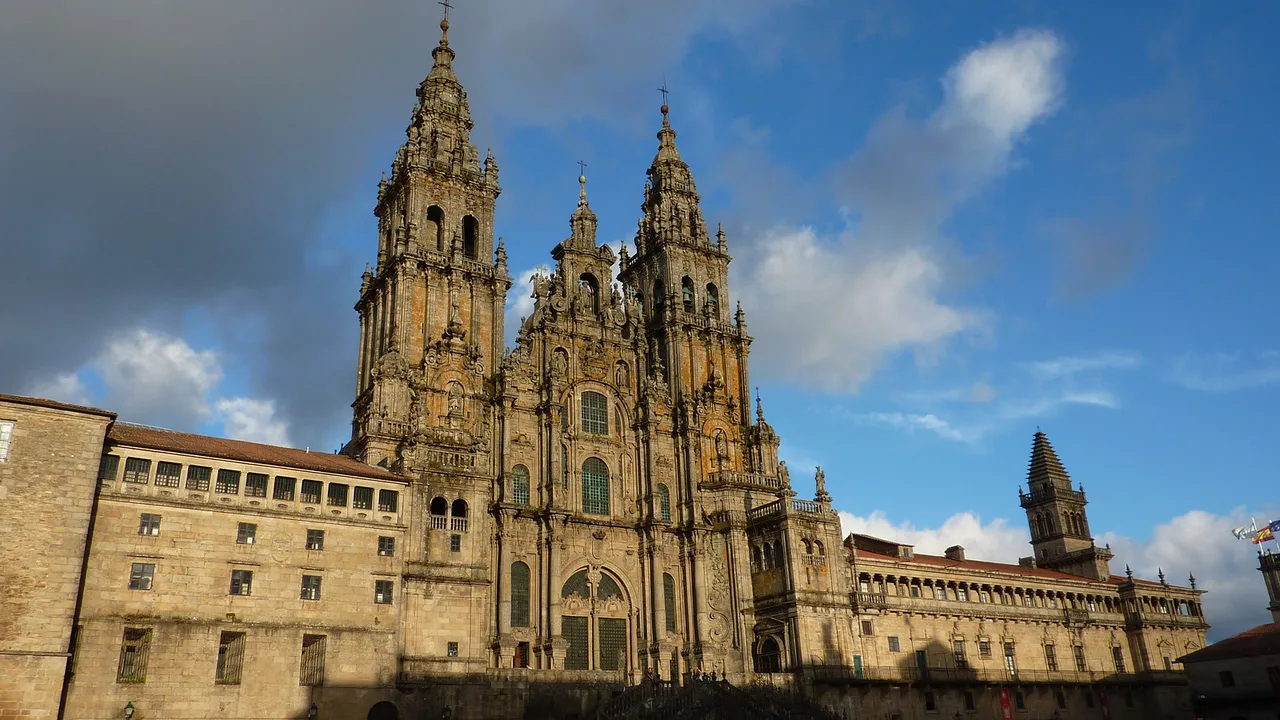
What to see and eat in Santiago on a September day
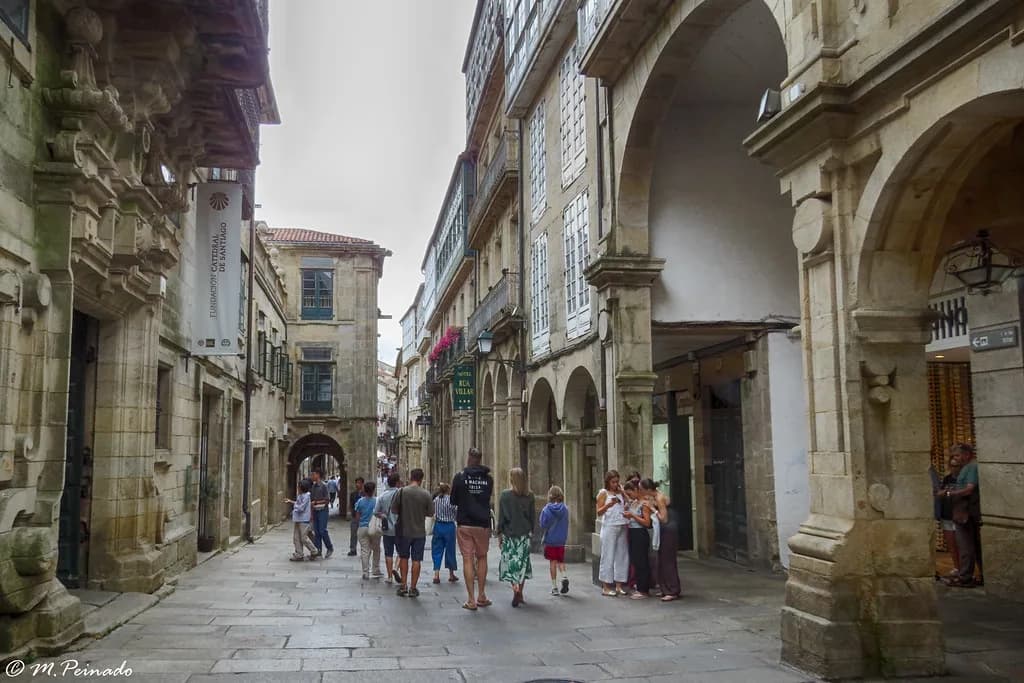
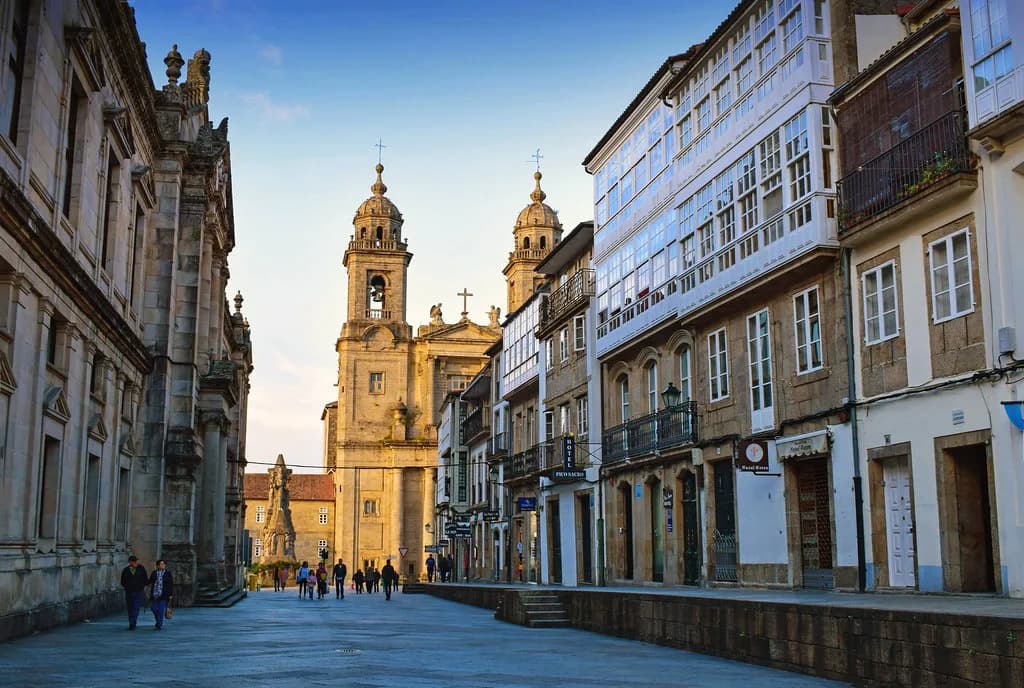
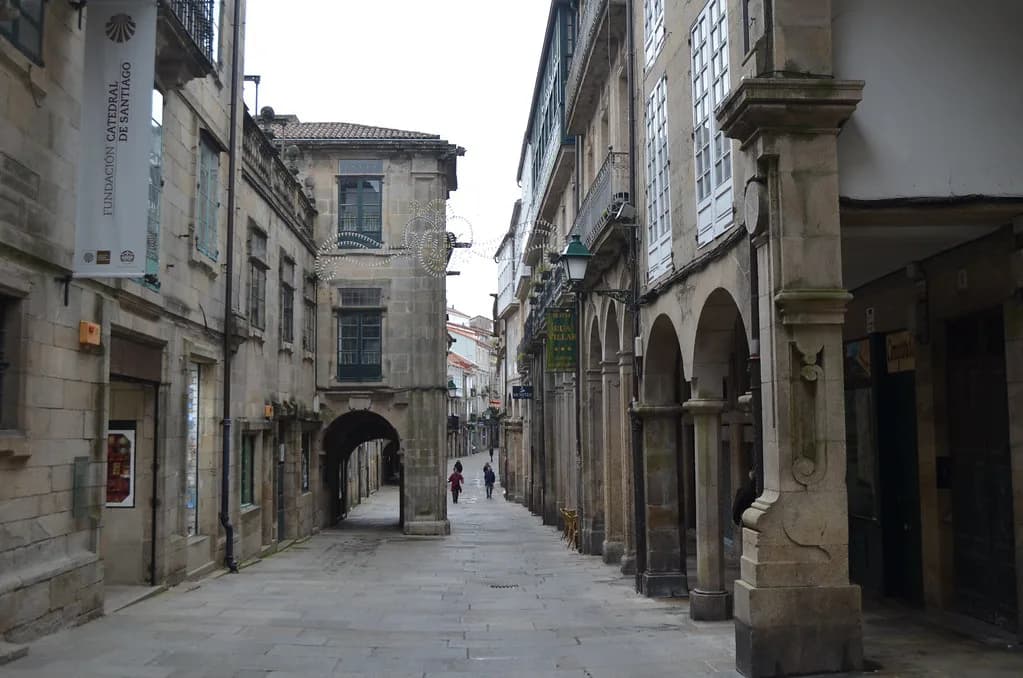
Treat Santiago as a city, not just a finish line. The old town around the Santiago de Compostela Cathedral is compact and walkable, with granite squares, arcaded streets and a market hall that rewards a mid-morning wander. On a wet afternoon, the covered market and the cathedral interior make more sense than a long walk out of town.
Eat on Spanish time: lunch from about 1:30 to 4pm and dinner from around 8:30 to 9pm. Galician cooking leans on seafood, octopus, shellfish and local cheeses, and the market stalls and bars around the Mercado de Abastos are the obvious place to start. Our guide to the best restaurants in santiago de compostela narrows down where to book.
If you only have a day, pair a morning in the old town with an afternoon in a café when the rain sets in, then walk the Alameda park for a skyline view before dinner. Our santiago de compostela itinerary sets out a realistic one-day order of play.
Where to go next in Galicia when the weather turns
When rain closes in, head inland or along the coast rather than forcing a long hike. Galicia's rías, fishing towns and wooded valleys suit short drives and unhurried lunches, and the region's seafood is the main reason to linger. Keep plans flexible so a washout day becomes a long lunch instead of a slog.
If you want a guaranteed-sun alternative for the same month, our guide to alicante in september and our fuerteventura in september guide show how the Costa Blanca and the Canary Islands compare. They are a different trip, not a substitute for Galicia, but useful when a September date is fixed.
Plan Your September Visit
September is one of the better months for Santiago de Compostela: warm enough to walk comfortably, quieter than August and still fully open, with autumn scenery arriving in the north. Go in expecting rain, pack accordingly and choose the Camino Francés if you want the easiest logistics or the northern routes if you want the best autumn colour.
Check the current forecast and confirm each booking before you travel, since conditions and availability change quickly in shoulder season. That done, September gives you the Camino with more breathing room than summer allows.
Explore more Santiago de Compostela guides
Frequently Asked Questions
What is the weather like in Santiago de Compostela in September?
September usually begins with a late-summer feel and cools as the month goes on, with shorter daylight and a real chance of rain, especially in Galicia. Conditions can change quickly, so pack a waterproof layer and check the forecast in the days before you travel.
Is September a good time to walk the Camino de Santiago?
Yes, if you accept mixed weather. September is quieter than August, walking temperatures are generally comfortable and the autumn landscapes in northern Spain are at their best, but rain is more likely and days are shorter than in midsummer.
Is September still crowded in Santiago de Compostela?
September is noticeably less crowded than August, with fewer pilgrims on the trail and more room in shared accommodation. The final stretch from Sarria into Santiago remains the busiest section, so book beds for the last stages rather than relying on walk-in availability.
Which Camino route is best in autumn?
The Camino Francés has the most developed pilgrim infrastructure and is the simplest choice for September. The Camino del Norte and Camino Primitivo offer the strongest autumn scenery, but they are also the wettest options, so choose them for the landscape and pack accordingly.
How much daylight is there on the Camino in September?
Daylight shortens steadily through the month, with night falling earlier and dawn arriving later as autumn approaches. Plan daily stages around finishing before dusk and start early if you are covering long distances.
What should I pack for a September Camino?
Bring a waterproof jacket and trousers, a dry bag, warm mid-layers and well broken-in walking boots. Test everything on training walks before departure, because using new footwear on the route is how blisters start.
Sources
Notes for eating well in Spain
Optional updates to our guides.
You might also like

Continue reading
More guides you'll find useful